
2026 Best Food Packaging Machine Types for Global Buyers?
Choosing the right food packaging machine in 2026 will require more than comparing speed, price, or attractive touchscreen controls. Global buyers must examine product texture, package format, hygiene design, labor availability, energy use, and local technical support. A frozen meal line needs different handling from a fragile bakery line. The difference appears on the factory floor: crushed trays, film waste, unplanned stops, and operators waiting for spare parts.
Industry data supports a careful approach. PMMI’s 2024 State of the Industry report identifies automation, labor shortages, sustainability, and supply-chain resilience as major packaging machinery drivers. Interact Analysis also forecasts continued investment in automated packaging equipment as manufacturers seek higher productivity and more flexible production. Meanwhile, Smithers’ The Future of Global Packaging to 2028 highlights ongoing demand for recyclable structures and material efficiency. These reports do not point to one universal machine. They point to better matching.
Jorge Izquierdo, Vice President of Market Development at PMMI, has emphasized a practical buyer principle: “Automation should solve a real production problem.” That idea deserves attention. The fastest food packaging machine may become the most expensive choice if changeovers are slow or cleaning is difficult. Sometimes, a simpler system performs better. This guide compares vertical form-fill-seal, horizontal flow wrapping, thermoforming, vacuum packaging, tray sealing, pouch filling, and robotic case packing technologies. It considers real operating details, including seal temperature, dosing accuracy, washdown access, film compatibility, and operator training. No ranking can fit every factory. That is the uncomfortable part. Final selection should follow trials, total-cost analysis, and documented supplier performance.
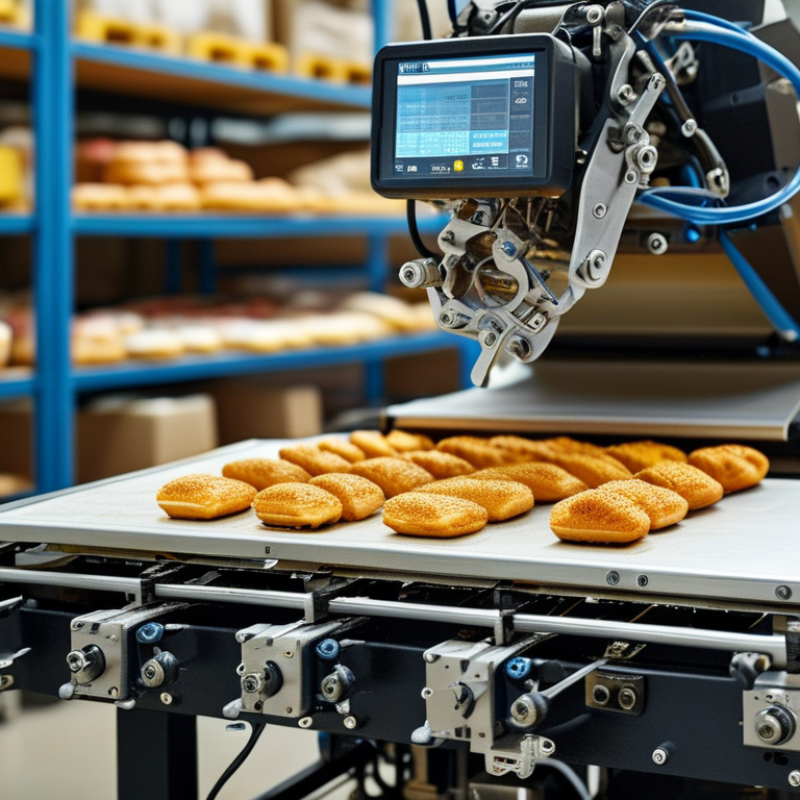
2026 Food Packaging Machinery Taxonomy: Three Levels and Six Core Functions
2026 Best Food Packaging Machine Types for Global Buyers?
The 2026 food packaging machinery taxonomy has three levels. Primary packaging touches the product, such as fillers, sealers, and tray systems. Secondary packaging groups units into cartons, cases, or bundles. End-of-line equipment handles palletizing, wrapping, and warehouse transfer. This structure helps global buyers compare complete lines instead of isolated machines.
Across these levels, six core functions appear repeatedly: feeding, dosing, forming, filling, sealing, and inspection or coding. Feeding controls product flow. Dosing protects weight consistency. Forming creates trays, pouches, or containers. Filling places food accurately. Sealing protects freshness and reduces leakage. Inspection and coding support traceability and quality checks. In practical line reviews, small timing errors often cause larger waste. A fast machine is not always the best machine. Product texture, package material, cleaning access, and operator skill can change performance.
Tips: Request test runs with your actual product and packaging film. Check changeover time, washdown design, spare-part access, and data records. Confirm capacity using real production conditions, not only ideal laboratory figures. A neat specification sheet can still hide difficult maintenance. Leave room for future formats, but avoid buying unused complexity. The right taxonomy should make daily decisions clearer, not merely make a quotation look impressive.
2026 Best Food Packaging Machine Types for Global Buyers? — Food Packaging Machinery Taxonomy: Three Levels and Six Core Functions
Functional comparison of food packaging machinery by packaging level, operating principle, food format, packaging material, and typical production range.
| Packaging Level | Machine Type | Primary Function | Typical Food Applications | Common Pack Formats | Typical Materials | Indicative Output | Main Buying Considerations |
|---|---|---|---|---|---|---|---|
| Level 1 Primary Packaging |
Vertical Form-Fill-Seal Machine | Forming, dosing, filling, and heat sealing flexible bags in one continuous cycle. | Rice, flour, sugar, grains, snacks, frozen vegetables, powders, granules, and small pieces. | Pillow bags Gusseted bags Quad-seal bags | PE, PP, laminated films, paper-based laminates, and recyclable mono-material films. | Approximately 20–120 bags/min, depending on product and bag size. | Weighing accuracy, film compatibility, dust control, sealing temperature range, cleaning access, and changeover time. |
| Level 1 Primary Packaging |
Multihead Weigher with Bagging System | High-speed combination weighing followed by controlled discharge into pre-made or formed bags. | Potato chips, confectionery, nuts, dried fruit, frozen foods, pet food, and irregular snacks. | Pillow bags Stand-up pouches Quad-seal bags | Flexible multilayer films, mono-PE films, mono-PP films, and pre-made laminated pouches. | Approximately 30–180 weighments/min, depending on head count and product flow. | Product fragility, target-weight tolerance, sticky-product handling, hopper design, and integration with bag sealing equipment. |
| Level 1 Primary Packaging |
Auger Filler with VFFS or Pouch Machine | Volumetric or servo-controlled dosing of powders and fine particles into sealed packages. | Spices, salt, milk powder, coffee, cocoa, instant drink mixes, and baking ingredients. | Sachets Pillow bags Stick packs | Laminated film, foil laminate, paper laminate, and high-barrier flexible structures. | Approximately 20–100 packs/min; multi-lane systems can achieve higher rates. | Powder flowability, dust extraction, auger accuracy, anti-bridging design, sealing cleanliness, and allergen changeover procedures. |
| Level 1 Primary Packaging |
Cup Filler and Sealer | Dispensing food into pre-formed cups, applying lidding material, and heat sealing the lid. | Yogurt, sauces, dips, desserts, prepared salads, fruit portions, and liquid or semi-liquid foods. | Rigid cups Portion containers Sealed trays | PP, PET, PS, paperboard-coated cups, aluminum foil lids, and plastic lidding films. | Approximately 20–120 cups/min, depending on lanes and filling characteristics. | Viscosity, particulate size, hygienic design, seal integrity, cup denesting, clean-in-place requirements, and refrigeration compatibility. |
| Level 1 Primary Packaging |
Piston or Servo Liquid Filler | Accurate volumetric filling of liquid and viscous products into bottles, jars, or containers. | Edible oils, sauces, dressings, syrups, honey, liquid seasonings, and ready-to-use marinades. | Bottles Jars Pouches | PET, HDPE, PP, glass, flexible laminates, and food-contact closures. | Approximately 20–150 containers/min, depending on viscosity and filling volume. | Product viscosity, foaming behavior, drip prevention, fill-volume tolerance, pump selection, temperature control, and hygienic drainage. |
| Level 1 Primary Packaging |
Rotary Vacuum or MAP Tray Sealer | Loading food into trays, removing air or replacing it with a controlled gas mixture, and sealing lidding film. | Fresh meat, poultry, seafood, cheese, ready meals, fresh-cut produce, and chilled convenience foods. | Vacuum packs MAP trays Skin packs | Rigid PP, PET, barrier trays, EVOH-containing structures, lidding films, and high-barrier laminates. | Approximately 5–30 cycles/min, depending on tray size and sealing format. | Gas control, residual oxygen, seal contamination tolerance, shelf-life target, tray compatibility, refrigeration chain, and sanitation standards. |
| Level 2 Secondary Packaging |
Horizontal Flow Wrapper | Wrapping individual or grouped products in a continuous film web with longitudinal and end seals. | Bakery products, chocolate bars, snack bars, biscuits, fresh produce, and multipack portions. | Pillow packs Multipacks Flow-wrap bundles | OPP, CPP, PE, laminated films, paper-based laminates, and recyclable flexible films. | Approximately 30–300 packs/min, depending on product size and orientation. | Product spacing, film sealing window, fin-seal quality, cutting accuracy, product orientation, and modified-atmosphere capability. |
| Level 2 Secondary Packaging |
Cartoning Machine | Opening cartons, inserting primary packs or products, and closing cartons by tuck, glue, or locking flaps. | Cereal boxes, frozen foods, sachets, pouches, bottles, blister-style food packs, and meal kits. | Tuck-end cartons Glued cartons Sleeve cartons | Folding carton board, recycled paperboard, coated board, and corrugated micro-flute board. | Approximately 30–400 cartons/min, depending on carton design and loading method. | Carton-board stiffness, product insertion method, glue performance, leaflet handling, format changeover, and barcode verification. |
| Level 2 Secondary Packaging |
Case Packer | Collecting primary packs and placing them into corrugated cases or shipping cartons. | Bottles, cans, pouches, cartons, trays, bags, and shelf-ready food packages. | Wrap-around cases RSC cases Tray-and-hood packs | Corrugated fiberboard, kraft board, recycled board, and paper-based protective inserts. | Approximately 10–60 cases/min, depending on case pattern and product stability. | Case dimensions, pack pattern, product orientation, compression strength, glue or tape system, and downstream palletizing interface. |
| Level 2 Secondary Packaging |
Shrink Bundling and Film Wrapping Machine | Grouping containers or packs and applying heat-shrinkable film for transport or retail multipacks. | Bottled beverages, canned foods, jars, cartons, and promotional multipacks. | Film-only bundles Tray-and-film packs Pad-and-film packs | PE shrink film, recyclable polyolefin film, corrugated pads, and paperboard trays. | Approximately 10–80 bundles/min, depending on pack configuration. | Film shrink ratio, tunnel energy use, bundle stability, heat exposure, pack appearance, and recyclability requirements. |
| Level 3 Tertiary Packaging |
Robotic Case Packer and Palletizer | Handling sealed cases, arranging them into stable pallet patterns, and preparing loads for storage or distribution. | Cases of packaged foods, beverages, frozen products, dry groceries, and temperature-controlled shipments. | Palletized cases Layered loads Mixed-SKU pallets | Corrugated cases, wooden or plastic pallets, slip sheets, corner boards, and stretch film. | Approximately 5–40 cases/min, depending on robot configuration and pallet pattern. | Payload, reach, pallet dimensions, case strength, changeover flexibility, guarding, safety compliance, and warehouse integration. |
| Level 3 Tertiary Packaging |
Stretch Wrapping Machine | Securing palletized cases with stretch film to improve load stability during storage and transport. | Dry foods, beverages, canned foods, frozen foods, cartons, and mixed distribution loads. | Turntable wrap Rotary-arm wrap Rotary-ring wrap | LLDPE stretch film, pre-stretched film, recycled-content film, and perforated film. | Approximately 20–120 pallets/hour, depending on pallet dimensions and wrapping recipe. | Load height, film pre-stretch ratio, containment force, corner protection, film consumption, and load stability testing. |
| Level 3 Tertiary Packaging |
Strapping Machine | Applying plastic or steel straps to cases, bundles, or pallet loads for additional compression and security. | Corrugated cases, beverage trays, bulk ingredient bags, cartons, and heavy food shipments. | Case straps Bundle straps Pallet straps | Polypropylene strap, polyester strap, steel strap, and protective corner boards. | Approximately 15–60 strapping cycles/min, depending on machine configuration. | Required tension, product compression tolerance, strap width, seal strength, operator safety, and compatibility with recycled packaging. |
Related Posts
-
Why Choose a Vertical Form Fill Seal Machine for Your Business?
-
Top 10 Food Packaging Machines for Your Business Needs?
-
Top 10 Automated Packaging Machine Solutions for Efficient Production?
-
Top 10 Bottle Filling Machines for Efficient Production?
-
Why Understanding Conveyor Parts is Essential for Efficient Operations?
-
2026 Best Automatic Packaging Machines for Global Buyers?