2026 How to Choose Industrial Packaging Equipment for Efficiency?
Selecting the right industrial packaging equipment is crucial for operational efficiency. It impacts productivity, cost-effectiveness, and overall performance. Companies face numerous choices in the market, and making an informed decision can be a challenge.
Various factors need careful consideration. For instance, evaluate the specific requirements of your products. The size, weight, and fragility play significant roles in equipment selection. Additionally, assess how the equipment will integrate into existing workflows. A seamless fit can enhance operational flow and reduce disruptions.
Consulting industry experts can provide valuable insights. Their experience helps identify the best equipment tailored to your needs. However, be prepared to reflect on your unique challenges. No solution fits all scenarios. Embracing a thoughtful approach towards sourcing industrial packaging equipment will lead to lasting advantages.
Understanding the Role of Industrial Packaging Equipment in Operations
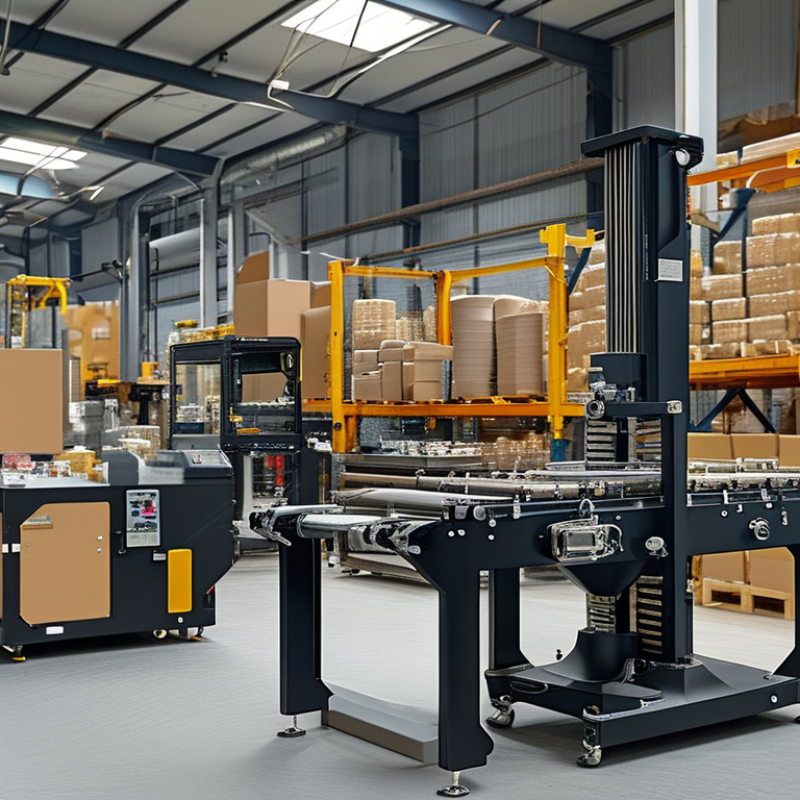
When analyzing industrial packaging equipment, recognizing its operational significance is crucial. Efficient packaging minimizes waste and enhances throughput. According to recent industry reports, companies can boost productivity by up to 30% by optimizing their packaging processes. This speaks volumes about the role that effective equipment plays in overall operations.
Selecting the right packaging machinery can impact costs significantly. Research indicates that inefficient packaging leads to increased material use and higher shipping costs. The right equipment streamlines these processes, ensuring products move quickly and efficiently from production to shipment. In fact, 76% of businesses reported reduced operational costs after updating their packaging solutions.
Tips: Ensure your equipment can handle various product sizes. Always consider the total cost of ownership beyond just purchase price. Regular maintenance checks can prevent costly downtime. Analyzing data from your packaging operations can reveal areas for improvement. It's vital to remain flexible as market demands change, allowing for adjustments in packaging strategies.
Key Factors to Consider When Selecting Packaging Equipment
Choosing the right industrial packaging equipment can significantly impact efficiency. Several key factors demand your attention. Understanding the specific needs of your product is critical. Consider its size, weight, and fragility. This knowledge will guide you to the right machinery, ensuring your items are packaged securely and efficiently.
Another important aspect is the scalability of the equipment. Your business may grow, and so should your packaging capabilities. Select equipment that can adapt and expand with your production needs. Evaluate if the machinery can handle increased volumes without compromising quality. Look for features that allow easy adjustments and modifications.
Employee training is often overlooked in the selection process. New equipment can lead to confusion or mistakes if staff is not properly trained. Lack of knowledge can reduce efficiency. Investing time and resources in training programs is essential. It can also boost morale and productivity. Reflecting on these considerations will lead to a more effective packaging operation.
Key Factors Affecting Industrial Packaging Equipment Efficiency
This chart displays the key factors influencing the efficiency of industrial packaging equipment, focusing on aspects such as Automation Level, Speed, Flexibility, Maintenance, and Energy Consumption. The data illustrates the priority levels of these factors based on industry analysis.
Types of Industrial Packaging Equipment Available on the Market
When considering industrial packaging equipment, it’s essential to explore various types available on the market. Packaging machines often fall into categories like filling, sealing, and labeling. Each type plays a specific role in the overall packaging process.
Filling machines are crucial for products in liquid or granular form. They ensure precise amounts are dispensed, which minimizes waste. Sealing machines create airtight packages, enhancing product shelf life. Labeling machines help with branding and compliance by placing essential information on packages. Each machine offers unique features, but not all may fit your operational needs.
It's important to assess your production volume and product type. Not all packaging equipment offers the same efficiency. Some machines may be slower than expected, causing delays. Additionally, compatibility between machines and products should be considered. Frequent adjustments may indicate a mismatch. You might need to reflect on the long-term costs versus upfront investments.
2026 How to Choose Industrial Packaging Equipment for Efficiency?
| Type of Equipment |
Main Function |
Typical Industries |
Efficiency Benefits |
| Automated Packing Machines |
Speed up the packing process |
Food, Electronics, Consumer Goods |
Reduced labor costs, Increased throughput |
| Labeling Equipment |
Apply labels to products or packaging |
Pharmaceuticals, Beverages, Consumer Goods |
Increased accuracy, Enhanced branding |
| Stretch Wrappers |
Secure loads with stretch film |
Warehouse, Logistics, Manufacturing |
Stability in transport, Protection from damage |
| Case Packers |
Pack products in cases or boxes |
Food, Beverage, Pharmaceutical |
Improved packing speed, Consistent quality |
Evaluating the Efficiency and Performance of Packaging Solutions
When evaluating the efficiency and performance of industrial packaging solutions, several factors come into play.
The right equipment should reduce waste and optimize space. It needs to align with the specific needs of your products. For instance, consider how well the packaging machine seals and protects items during transport. Even slight flaws in sealing can lead to damages.
Efficiency also hinges on the speed of operation. High-speed machines can increase throughput but may sacrifice quality. Striking a balance is essential. Operators may need to adjust settings frequently to accommodate different products. This can interrupt workflow. Regular training for staff can help mitigate these issues.
Furthermore, energy consumption plays a critical role. Machines that consume less power not only save costs but also support sustainability goals.
However, finding equipment that achieves both efficiency and low energy use can be challenging. Continuous evaluation of performance metrics helps in refining choices. Always ask for feedback from users. Their hands-on experience can reveal insights not evident in product specifications.
Best Practices for Implementing Industrial Packaging Equipment
When implementing industrial packaging equipment, understanding your workflow is crucial. Analyze your production line to identify bottlenecks. A well-structured system can enhance efficiency, leading to smoother operations. Remember, not all equipment fits every situation. Some machines might look impressive but may not align with your specific needs.
Training your staff is another essential practice. Experienced operators can optimize equipment performance. Regular training sessions create a knowledgeable workforce. This not only improves efficiency but also minimizes mistakes. Inadequate training can lead to misuses or even accidents. Therefore, investing in employee development pays off.
Consider maintenance schedules carefully. Regular checks can prevent unexpected downtime. A machine's breakdown can halt production and impact delivery schedules. Developing a maintenance routine adds reliability to operations. Equipment that remains in working order produces more consistent output. Reflect on past experiences. Adjust strategies as necessary to meet evolving demands.