
7 Tips for Choosing an Overflow Dyeing Machine

Choosing an Overflow Dyeing Machine is a production decision, not merely an equipment purchase. The right system must match fabric type, batch size, liquor ratio, dye chemistry, and factory layout. A machine that handles polyester smoothly may create creases in delicate knits. That difference appears on the fabric surface.

Textile Exchange’s Materials Market Report 2024 estimates that global fiber production reached 124 million tonnes in 2023, with polyester representing about 57% of total output. This scale increases pressure on dyehouses to improve consistency, energy efficiency, and wastewater control. The International Energy Agency also identifies industrial energy efficiency as a major pathway for reducing manufacturing emissions. These findings make machine performance important beyond daily output.

This guide presents seven practical tips for selecting an Overflow Dyeing Machine. It considers pump design, fabric circulation, temperature control, automation, cleaning access, and after-sales support. A useful machine should move fabric gently, maintain stable pressure, and prevent rope marks during repeated cycles. Ask suppliers for verified performance data, not only attractive brochures.

Small details matter.

Check nozzle adjustment beside the control panel. Examine whether operators can clean filters without stopping an entire line. Request trial dyeing with your actual fabric, including heavy fleece, lightweight jersey, or blended materials. No checklist is perfect. I would still leave room for factory-specific risks, because water quality, operator experience, and maintenance habits can change results. Reliable decisions come from documented tests, transparent specifications, and evidence from comparable dyehouses.
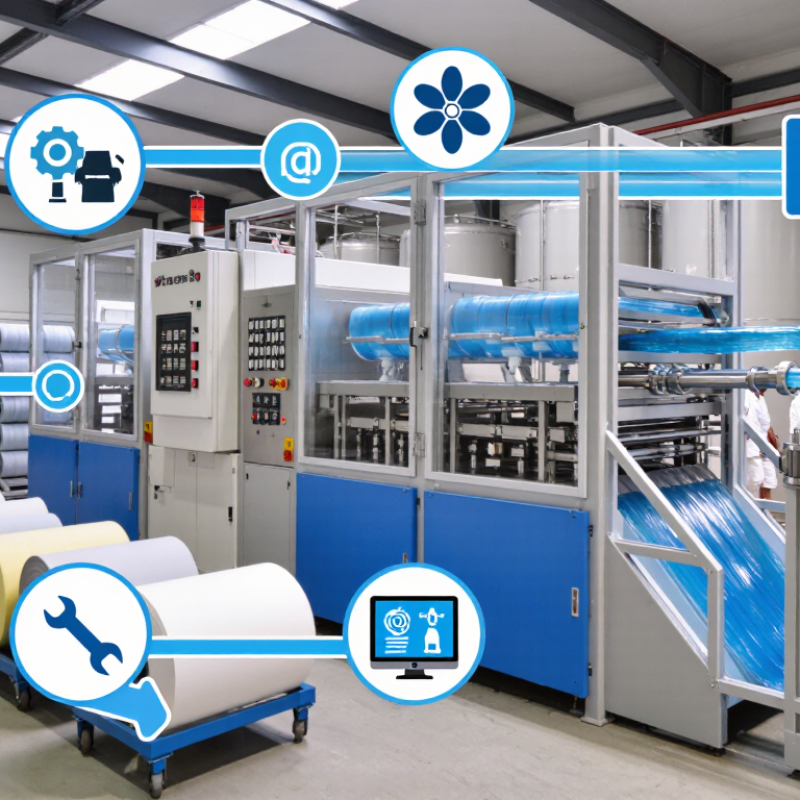
7 Tips for Choosing an Overflow Dyeing Machine

Understanding Overflow Dyeing Technology and Fabric Compatibility

7 Tips for Choosing an Overflow Dyeing Machine

Overflow dyeing moves fabric through a gentle stream of dye liquor. The fabric circulates in a relaxed rope form. This helps reduce surface abrasion and harsh creasing. It suits knitted fabrics, lightweight woven materials, and other flexible textiles. However, compatibility depends on construction, weight, and finishing history. A delicate fabric may still suffer if the flow speed is excessive. Soft handling matters.

Check the machine’s capacity against your usual batch size. Match the nozzle design and flow control to the fabric’s width and weight. Confirm that the bath ratio supports your dyeing recipe. Stable temperature control is essential for polyester, nylon, and blended materials. Cotton and viscose may need different circulation settings. Ask for test records, not only technical claims. Inspect the pump, filter, heating system, and emergency controls. Small details matter.

Run a trial with real fabric before making a final decision. Watch for rope marks, uneven shade, tangling, and excessive liquor movement. Measure shrinkage and color difference after drying. In my experience, a machine can perform well on samples but struggle with full loads. That gap deserves attention. Operators also need clear controls and practical maintenance access. A slower cycle may protect sensitive fabric, but it can reduce output. The best choice balances fabric safety, repeatability, energy use, and production needs. Perfect compatibility is rare. Careful testing remains essential.

Assessing Production Capacity, Batch Size, and Machine Configuration

7 Tips for Choosing an Overflow Dyeing Machine

Assessing Production Capacity, Batch Size, and Machine Configuration

Choosing an overflow dyeing machine starts with production reality, not a catalogue promise. Record daily fabric demand, operating hours, and changeover time. A machine rated for 500 kilograms may handle less after loading limits and circulation needs. Leave practical headroom. A crowded schedule can cause rushed dyeing and uneven shades. From production-floor assessments, I have seen teams count maximum capacity as dependable capacity. That assumption needs review.
Batch size should match your regular orders, not only your largest contract. Check the minimum and maximum loading range carefully. Small batches inside a large vessel may waste water, energy, and processing time. Oversized batches can restrict fabric movement and create rope marks or shade variation. Compare your common fabric weights, widths, and fiber blends. Keep test lots in the calculation. They are easy to forget.
Machine configuration affects stability as much as vessel volume. Review pump control, fabric guidance, heat exchange, drainage, and programmable dosing. Smooth circulation matters for delicate knitted fabric. Responsive temperature control protects sensitive fibers during heating and cooling. Ask for measurable data, such as loading tolerance and cycle records. Visit a working installation if possible. One detail may disappoint: the perfect configuration on paper can still demand operator adjustments. Allow space for maintenance, cleaning, and future product changes.

Comparing Energy, Water, Chemical, and Operational Efficiency

7 Tips for Choosing an Overflow Dyeing Machine

Comparing Energy, Water, Chemical, and Operational Efficiency

Tip: Measure real consumption, not brochure estimates. Compare kilowatt-hours per kilogram under the same fabric load, dyeing temperature, and cycle time. A well-insulated vessel, efficient pumps, and variable-speed drives can reduce heat and electricity demand. Heat recovery may help, but only when the factory has enough repeated production to justify it.

Tip: Examine water and chemical control closely. Ask for liquor-ratio data at different load sizes. Lower ratios can save water, salt, auxiliaries, and heating energy. However, unstable circulation may create shade variation. That becomes expensive quickly. Check automatic dosing, bath reuse, overflow regulation, and rinsing programs. Clear conductivity readings are useful for deciding when fresh water is truly needed.

Tip: Consider daily operation. Review loading time, recipe repeatability, cleaning access, maintenance points, and operator training. A machine that saves water but causes frequent stoppages may reduce total efficiency. Inspect the pump and filter areas directly. Small details matter. I have seen impressive efficiency figures weaken during partial loads or frequent color changes. Request trial data using your actual fabric types, not only standard samples. Record cycle time, water volume, chemical quantity, energy use, and rework rate. Then compare the results with production targets. The most efficient choice may not have the lowest purchase price.

7 Tips for Choosing an Overflow Dyeing Machine - Comparing Energy, Water, Chemical, and Operational Efficiency
Tip Selection Dimension What to Compare Typical Benchmark or Target Why It Matters Recommended Evaluation Question
1 Check the Liquor Ratio Compare the minimum and normal liquor ratio supported by the machine. The liquor ratio is the amount of process water used per kilogram of fabric. Conventional overflow systems: approximately 1:12–1:20
Low-liquor soft-flow systems: approximately 1:6–1:10
Air-assisted systems: approximately 1:3–1:6
A lower liquor ratio can reduce water heating, salt and auxiliary consumption, wastewater volume, and cycle cost, provided the fabric remains fully wetted and moves smoothly. Can the machine maintain even wetting, circulation, and color penetration at the lowest stated liquor ratio for our actual fabric types?
2 Compare Water Consumption Review total water used for filling, rinsing, washing, cooling, cleaning, and automatic tank exchange rather than evaluating only the initial bath. Typical total process-water ranges:
Conventional overflow: 120–200 L/kg
Low-liquor soft-flow: 60–110 L/kg
Air-assisted systems: 30–70 L/kg
Water savings reduce both freshwater intake and the volume of effluent requiring treatment. Actual consumption depends on the recipe, number of rinses, fabric construction, and machine settings. Is water usage recorded separately for each process stage, and can rinse-flow rates be controlled automatically?
3 Evaluate Thermal Energy Efficiency Compare energy required to heat process water, maintain temperature, run pumps, circulate fabric, and complete cooling and rinsing steps. Indicative thermal and mechanical energy range per kilogram of fabric:
Conventional overflow: 1.5–2.4 kWh/kg
Low-liquor soft-flow: 0.9–1.6 kWh/kg
Air-assisted systems: 0.7–1.3 kWh/kg
Heating the bath is often the largest energy demand. Lower water volume, effective insulation, heat recovery, and optimized circulation can reduce energy use. Does the supplier provide measured energy data for a complete cycle, including heating, rinsing, cooling, pumps, and fans?
4 Assess Chemical Efficiency Examine chemical dosing accuracy, bath concentration control, automatic dilution, residual-liquor volume, and the ability to reuse or recover process baths. Typical chemical preparation volume per kilogram of fabric:
Conventional overflow: 8–14 L/kg
Low-liquor soft-flow: 4–8 L/kg
Air-assisted systems: 2–5 L/kg
Lower preparation volume can reduce chemical dilution and residual liquor. It does not automatically reduce the required recipe dosage, which must still meet shade and performance specifications. Can the system dose chemicals by fabric weight and liquor volume while maintaining stable concentration throughout the cycle?
5 Protect Fabric Quality Compare fabric-to-fabric contact, nozzle or overflow pressure, rope tension, circulation speed, temperature uniformity, and control of creasing or abrasion. Suitable operation should provide:
Uniform temperature variation: ideally within approximately ±1–2°C
Stable fabric circulation: without stoppage or rope accumulation
Low-tension handling: for knits and delicate materials
A machine that saves water but creates crease marks, pilling, shade variation, or tensile damage can increase reprocessing, waste, and total production cost. Has the machine been tested with our most sensitive fabric, darkest shade, highest load, and most crease-prone construction?
6 Review Operational Productivity Compare loading capacity, cycle time, fabric loading ratio, automation level, recipe repeatability, unloading time, and changeover requirements. Typical wet-processing cycle duration:
Conventional overflow: 90–150 minutes
Low-liquor soft-flow: 60–120 minutes
Air-assisted systems: 45–90 minutes
Shorter cycles can increase daily output, but only when shade matching, washing performance, and fabric quality remain consistent. What is the verified output per 24-hour period after accounting for loading, heating, processing, rinsing, unloading, cleaning, and recipe changeover?
7 Calculate Total Operating Cost Include electricity or steam, water, wastewater treatment, chemicals, labor, maintenance, spare parts, downtime, reprocessing, and expected service life. A practical comparison should use:
Cost per kilogram of approved fabric
Water per kilogram
Energy per kilogram
First-pass approval rate
Annual productive operating hours
Purchase price alone does not show economic efficiency. A lower-cost machine may have higher utility consumption, more manual work, or greater quality-related losses. Can the supplier provide a documented cost model based on our fabric mix, production volume, utility prices, recipe profile, and required quality level?

Note: The figures shown are indicative industry benchmark ranges for comparison purposes. Actual results vary according to fiber type, fabric weight, machine load, dye class, recipe, rinse sequence, operating temperature, water quality, utility prices, and control settings. Final purchasing decisions should be based on a witnessed trial using representative production fabric.

Evaluating Automation, Temperature Control, Safety, and Maintenance

7 Tips for Choosing an Overflow Dyeing Machine

Choosing an overflow dyeing machine starts with automation, not flashy features. Check whether recipes control liquor ratio, dosing, heating, and cycle time accurately. Data logging helps operators trace uneven shades and repeated faults. A manual override remains essential when fabric behaves unexpectedly. A useful machine is not the most automated one.

Temperature control deserves close testing. Ask for stable heating ramps, reliable sensors, and even temperature readings across the vessel. Sudden changes can cause creases, shade variation, or fiber damage. During commissioning, compare the displayed temperature with an independent calibrated meter. Small differences matter. I once trusted a screen reading too quickly, and the result required reprocessing. That mistake still influences my checks.

Safety systems should include guarded moving parts, emergency stops, pressure monitoring, and clear alarm signals. Operators need safe access to filters, pumps, and sampling points. Maintenance should be practical, not theoretical. Inspect seal quality, drain design, cleaning access, and spare-part availability before purchase. Review the maintenance schedule with technicians who will use the machine daily. Ask how calibration is recorded. Ask who responds when automation fails. A neat brochure cannot answer those questions. Choose equipment that supports safe work, consistent temperatures, and realistic maintenance habits.

7 Tips for Choosing an Overflow Dyeing Machine

Suggested screening weights for comparing automation, temperature control, safety, maintenance, fabric handling, liquor efficiency, and production capacity.

Use the weighting as a practical evaluation worksheet rather than a supplier ranking. Give extra attention to accurate temperature regulation, safety interlocks, accessible maintenance points, programmable controls, and gentle fabric circulation.

Verifying Supplier Support, Compliance, Cost, and Long-Term Value

7 Tips for Choosing an Overflow Dyeing Machine

Supplier support often decides whether a machine becomes an asset or an expensive obstacle. Ask for installation records, operator training, spare-parts lead times, and remote troubleshooting procedures. Request references from mills running similar fabrics, liquor ratios, and production volumes. A helpful supplier should explain failure risks clearly. Vague promises are a warning sign. Verify service coverage in writing, including response times and technician availability.

Compliance must cover more than electrical safety. Check pressure, chemical handling, wastewater, noise, and worker-protection requirements in your operating region. Ask for test certificates, risk assessments, and documented conformity procedures. The ZDHC Roadmap to Zero Programme highlights stricter chemical-management expectations across textile supply chains. This matters because Textile Exchange’s Materials Market Report 2024 estimates global fibre production reached 124 million tonnes in 2023. More output increases scrutiny. It also increases audit pressure.

Compare total cost, not only the purchase price. Request measured water, steam, electricity, chemical, and maintenance consumption. The International Energy Agency identifies energy efficiency as a major pathway for reducing industrial emissions. Ask suppliers to provide data under comparable loads. A 10% efficiency claim means little without fabric weight and cycle details. Calculate payback using your own utility bills. Forecasts can be wrong. Mine often are. Include downtime, training, software updates, and component replacement. Finally, inspect the machine’s flexibility for future fabrics and batch sizes. A slightly higher investment may protect production value for years, but only if service records and performance data support that judgment.