What is an Automated Packaging Machine and How Does It Work?
An automated packaging machine revolutionizes the way products are packaged. These machines streamline the packaging process, making it faster and more efficient. They are essential in various industries, including food, pharmaceuticals, and electronics.
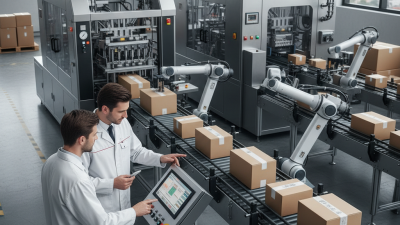
Using advanced technology, an automated packaging machine reduces labor costs and errors. The machines can handle various packaging types, such as boxes, bags, and shrink-wrap. As they work, the machine integrates multiple functions like filling, sealing, and labeling. This level of automation often leads to increased productivity and higher output.
While automated packaging machines bring numerous benefits, there are challenges too. Initial costs can be high for small businesses. Additionally, adapting to new technology may require staff training. Regular maintenance is crucial to ensure they operate smoothly. Understanding these aspects is vital for anyone considering the investment in automated packaging solutions.
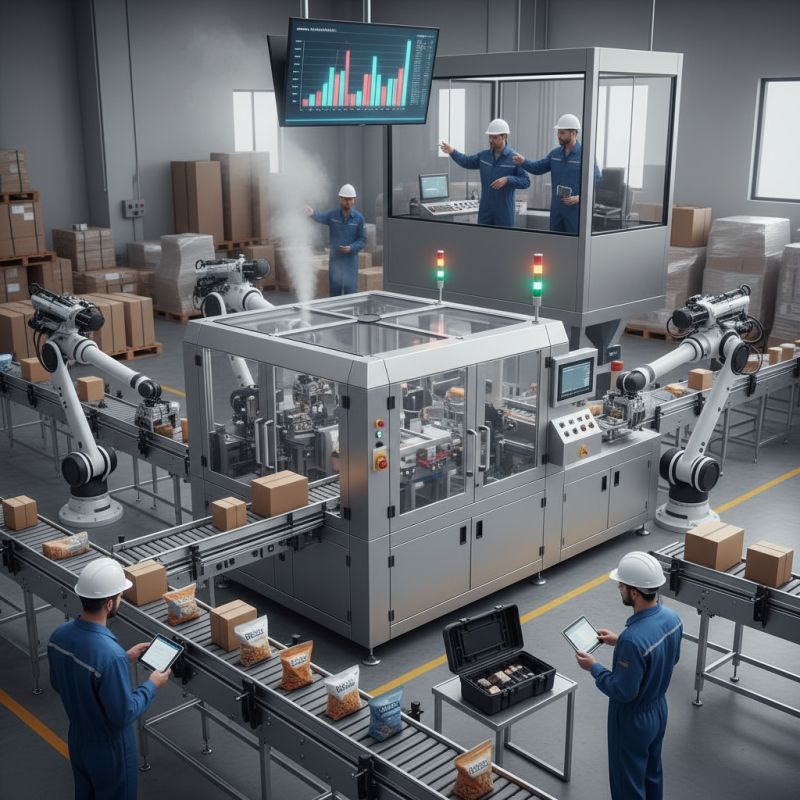
Definition of Automated Packaging Machines and Their Purpose
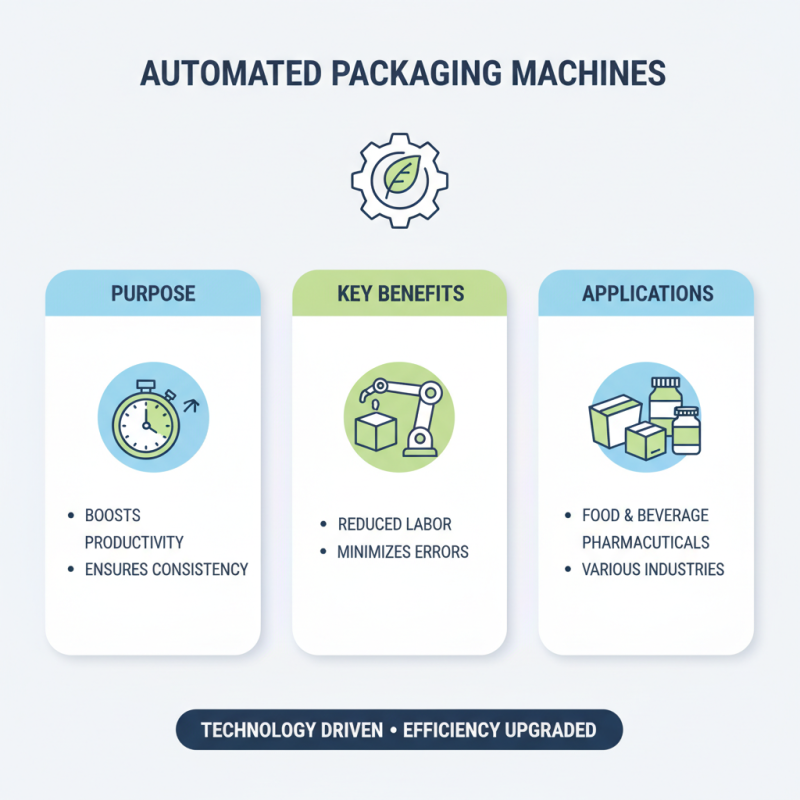
Automated packaging machines are tools designed to streamline the packing process. They serve various industries, from food to pharmaceuticals. These machines use technology to automate tasks that once required manual labor. This increases efficiency and reduces human error. Their purpose is clear: to enhance productivity and maintain consistency in packaging.
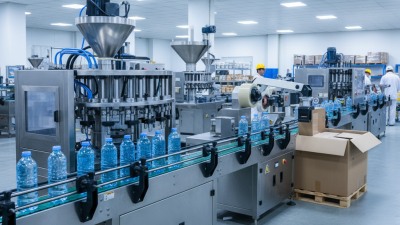
The operation of these machines involves several steps. First, they fill containers or bags with products. Sensors ensure accurate measurements. Next, they seal the packages to prevent contamination. Some machines also print labels and apply them automatically. However, not all machines operate seamlessly. Occasionally, malfunctions occur that require human intervention. These hiccups can lead to delays and frustrations on the production floor.
In addition to efficiency, these machines save time and costs. Businesses can focus on other vital functions while the machine handles packaging. Yet, companies must assess the trade-offs. Initial investments can be high, and maintenance is necessary. Understanding the balance between benefits and challenges is crucial for a successful implementation.
Key Components and Construction of Automated Packaging Machines
Automated packaging machines are revolutionizing the packaging industry. They consist of several key components that work together seamlessly. The main parts include a feeder, packer, and sealer. Each element must function reliably, ensuring efficiency and accuracy. According to a report by Smithers Pira, the market for automated packaging is expected to grow by 12% annually through 2025.
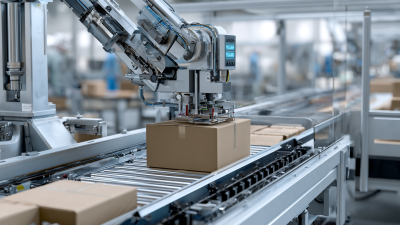
The feeder receives products and aligns them for packaging. Sensors and conveyor systems here play a critical role. A small error in alignment can cause significant delays. The packer then wraps or boxes the items, typically using flexible packaging materials. This process can be sensitive, as improper handling affects product integrity. Experts suggest that 30% of operational downtime is due to equipment malfunctions in this stage.
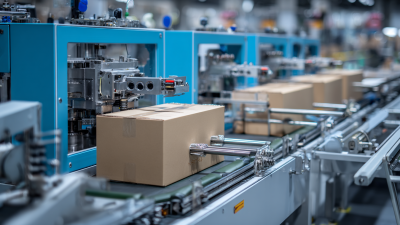
Finally, the sealer secures the packaging. This can be done through heat sealing or adhesive application. Operators must stay vigilant. Problems with sealing can lead to product spoilage. Overall, while automated systems significantly enhance productivity, ongoing maintenance and training are crucial for optimal performance. Proper investment in technology can seem daunting but necessary for long-term gains. There’s a continuous need for improvement in efficiency and reliability within the sector.
Performance of Automated Packaging Machines by Type
This bar chart illustrates the efficiency of different types of automated packaging machines measured in units per hour. The Vertical Form Fill Seal type exhibits the highest efficiency, followed by Continuous Motion, demonstrating the varying capabilities of these machines in packaging operations.
How Automated Packaging Machines Function: A Step-by-Step Process
Automated packaging machines streamline the packaging process by using advanced technology. They play a crucial role in various industries, including food, pharmaceuticals, and cosmetics. The market for automated packaging systems is growing, projected to reach $60 billion by 2028, according to a recent industry report. This growth highlights the increasing demand for efficiency and cost-effectiveness.
These machines operate in a structured manner. First, they prepare the product for packaging. Sensors and conveyor belts move items seamlessly, ensuring optimal flow. Next, the product gets aligned for packaging. Automated systems can handle different shapes and sizes, but sometimes they struggle with irregular items. After alignment, the machine wraps or boxes the product, consistently using the right amount of material. This process not only improves speed but also reduces waste.
Quality control follows packaging, ensuring each item meets standards. Inspectors monitor for irregularities, but with automation, human error decreases significantly. However, not all machines are foolproof. Breakdowns can occur, leading to downtime and lost productivity. Regular maintenance is necessary. Operators must be skilled at troubleshooting. Understanding the machine’s limits is crucial for maximizing efficiency and addressing potential issues.
Types of Automated Packaging Machines Used in Various Industries
Automated packaging machines are essential in various industries. They enhance efficiency and reduce labor costs. Many companies rely on different types of these machines. For instance, vertical form-fill-seal machines are common in the food industry. According to a recent market analysis, this segment is growing rapidly, expected to reach $1.8 billion by 2026.
In pharmaceuticals, blister packaging machines are standard. These machines ensure product safety and compliance with regulations. A report indicated that the global blister packaging market is projected to grow at a CAGR of over 6% through 2025. The demand for better product preservation drives this growth. However, the cost of these machines can be a significant investment for smaller companies.
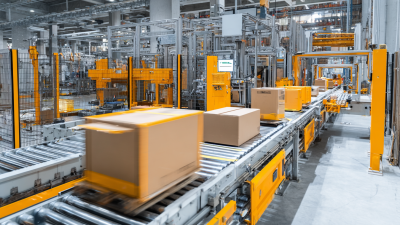
Lastly, the e-commerce industry leverages automated case packers. These machines streamline the packing process, reducing human error. A study revealed that efficient packing can cut operational costs by up to 30%. Yet, many businesses struggle with the integration of these technologies. Training staff and modifying existing systems can be challenging. Companies need to weigh the benefits against potential setbacks.
Benefits and Challenges of Implementing Automated Packaging Solutions
Automated packaging solutions offer many benefits. They can increase efficiency significantly. According to a report by the Freedonia Group, automation in packaging can boost production speeds by 25% to 30%. This leads to lower labor costs and reduced material waste. Workers can shift their focus to more complex tasks, enhancing overall productivity.
Despite these advantages, implementing automated packaging machines poses challenges. High initial costs can deter smaller companies. Integrating these systems requires careful planning. In fact, a study from Packaging Strategies indicated that about 30% of companies face unexpected delays during installation. Additionally, there is a need for ongoing maintenance and technical support. Without these services, machines may underperform, impacting output quality.
Choosing the right technology is also a challenge. Many businesses struggle with various available options. They must evaluate specific needs and long-term goals. A mismatch can lead to wasted resources and failed projects. Ultimately, while automated packaging brings clear advantages, careful consideration is crucial to avoid potential pitfalls.