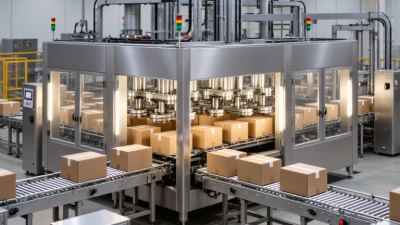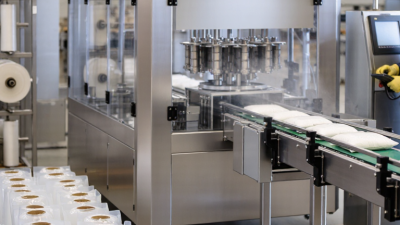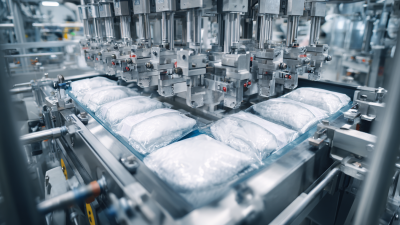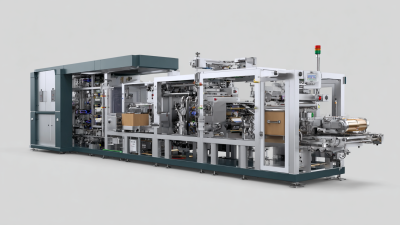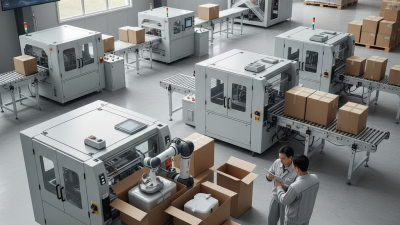
An automated packaging machine combines mechanical movement, sensors, software, and carefully selected packaging materials. It prepares, fills, seals, labels, or groups products with limited manual handling. In a modern production line, containers may travel along a conveyor while sensors confirm their position and presence. A programmable controller then coordinates each action within fractions of a second.
The machine’s exact process depends on the product and package design. A vertical system may form film around snacks, dose the product, and create heat seals. A cartoning machine can erect cartons, insert items, and close each flap. Servo motors control movement, while photoelectric sensors detect gaps, misaligned packages, or missing products. Operators adjust settings through a touchscreen interface, but accurate calibration remains essential.
Automation can improve speed, consistency, and workplace efficiency. It can also reduce repetitive handling and help record production data. However, automation is not perfection. Dust, humidity, unstable materials, or incorrect settings can interrupt the line. A poorly adjusted sealing temperature may create weak seams or damaged film. Small errors become expensive when production continues unchecked. Experienced technicians therefore inspect seals, verify weights, clean sensors, and review machine alarms regularly.
This guide explains how an automated packaging machine works in practical terms. It follows the packaging journey from product loading to final inspection. You will also see how machine components cooperate, where human judgment remains important, and which factors influence performance. The technology may look complex. Its purpose is straightforward: deliver safe, consistent, and correctly packaged products with reliable control.
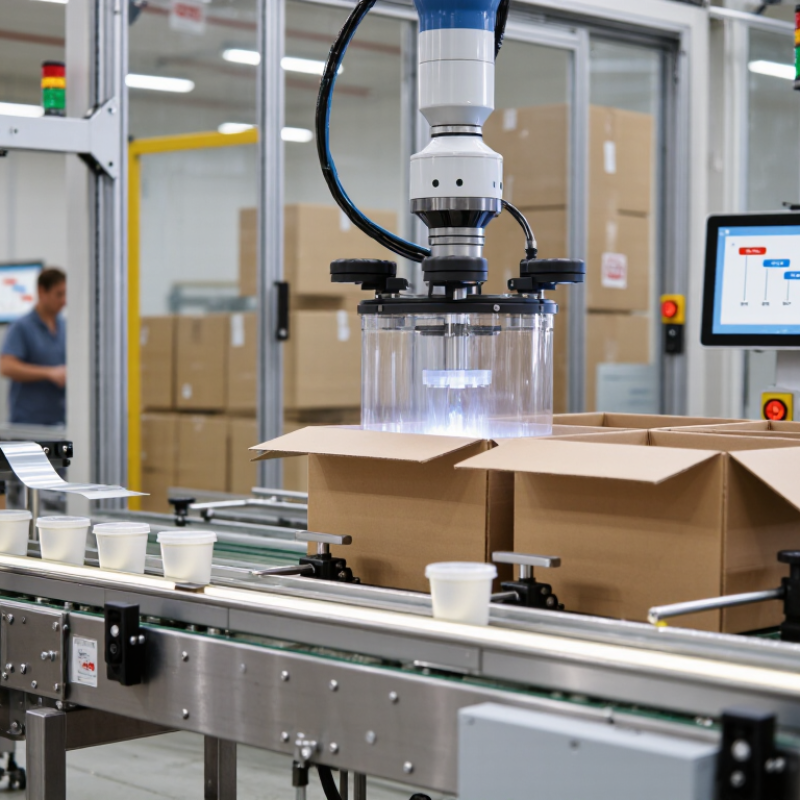
An automated packaging machine is equipment that prepares products for shipment with limited manual handling. It can measure, fill, seal, label, wrap, or place items into containers. The machine’s exact function depends on the product, package material, and production target.
In a typical line, a conveyor moves products toward a controlled packaging station. Sensors detect position, quantity, and package presence. A programmable controller then coordinates motors, filling devices, sealing jaws, and labeling units. For example, a pouch machine may release a measured amount of powder, create a seal, and cut the finished pouch. The operator usually loads materials, checks settings, and monitors safety systems.
Automation improves repeatability and can reduce product contact during routine operations. It also helps maintain consistent fill levels and sealing pressure. However, an automated machine is not completely independent. Incorrect calibration, worn belts, or dirty sensors can create underfilled packages and unsealed edges. Small errors matter.
In practical use, technicians inspect sample packages at regular intervals. They check seal strength, dimensions, coding clarity, and material alignment. Different products may require different temperatures, speeds, or sealing times. A fragile item can suffer damage when the conveyor accelerates too quickly. A thoughtful setup leaves room for adjustment, because real production conditions rarely match ideal test results.
An automated packaging machine coordinates several components to fill, protect, seal, and inspect products. Its hopper stores the incoming material, while a dosing system measures each portion. Auger fillers handle powders. Volumetric cups suit many dry goods. Accuracy depends on calibration, product flow, and moisture.
The conveyor moves containers at a controlled speed. Sensors detect position, height, and missing items. A programmable logic controller receives these signals and adjusts motors, valves, and timing. The human-machine interface lets operators change settings, view alarms, and record production data. A sealing unit then applies heat, pressure, or adhesive to close the package. Some machines add checkweighers and vision inspection before discharge.
The details matter.
According to PMMI’s 2024 State of the Industry report, U.S. packaging machinery shipments reached approximately $11.3 billion in 2023, showing strong investment in automated equipment. The International Federation of Robotics reported 541,302 industrial robots installed worldwide in 2023, a 10% annual increase. These figures reflect broader demand for repeatable handling and reduced manual intervention.
However, automation is not perfect. A dirty photoelectric sensor can stop a clean production run. An unstable product may create inaccurate fills despite precise software. In my experience, operators often improve performance by checking mechanical alignment before changing code. The machine follows instructions exactly. That is useful, but sometimes unforgiving.
An automated packaging machine coordinates several steps that workers once performed separately. Products enter through a conveyor, where sensors check position, spacing, and orientation. A timing screw or indexing belt then creates an even flow. This small detail matters. Poor spacing can cause jams.
The product reaches a filling, weighing, or counting station. Load cells measure weight, while vision sensors inspect shape, labels, or missing components. The control system compares each reading with preset limits. Accepted items continue forward. Rejected items move into a separate collection area. The machine then forms or opens packaging, places the product inside, and seals it using heat, pressure, or adhesive. Date codes and traceability information are usually applied before final inspection.
PMMI reported that United States packaging machinery shipments approached 10.5 billion dollars in 2023. Its industry data also identifies labor shortages as a major reason for automation investment. A separate Smithers market report forecasts continued growth in global packaging demand through 2028, driven partly by changing product formats and shorter production runs. These figures show the commercial pressure behind automated lines.
In practice, the process is less perfect than diagrams suggest. Dust can weaken a seal. A reflective package can confuse a camera. Operators still adjust sensors, clean contact surfaces, and verify samples during production. Automation reduces repetitive handling, but it does not remove judgment. The most reliable line combines accurate settings, regular maintenance, and trained human oversight.
An automated packaging machine fills, seals, labels, and moves products with limited manual input. Its performance depends on sensors and controls working as one coordinated system. Sensors detect product position, package size, film tension, temperature, and weight. A photoelectric sensor may notice a pouch edge, while a load cell checks whether the fill amount is correct.
The control system receives these signals and compares them with programmed settings. A programmable controller then directs motors, heaters, valves, and sealing jaws. For example, an encoder tracks conveyor movement and helps the machine seal each package at the right moment. If a sensor detects a missing product, the controller can pause the cycle or activate a rejection mechanism. A short delay matters. Even a small timing error can create weak seals or misplaced labels.
In practical production, technicians inspect sensor lenses, confirm cable connections, and review control readings during routine checks. Dust, vibration, reflective materials, and changing package colors can cause inaccurate signals. That is where experience becomes important. Operators should not trust automation blindly. They need to compare machine data with physical samples and record unusual changes. Calibration and documented settings also improve repeatability. Still, no system is perfect. A sensor may respond correctly in testing but behave differently during a long, fast production run. Regular verification remains necessary.
A typical automated packaging line combines sensors, a programmable controller, motion systems, and safety devices to detect products, coordinate packaging steps, and verify finished packs.
| Machine Operation | Sensor or Input | Control-System Decision | Mechanical Output | Purpose and Result |
|---|---|---|---|---|
| Product Infeed | Photoelectric sensor detects product presence and spacing on the conveyor. | The programmable logic controller, or PLC, confirms that the product is in the correct position before allowing the next cycle. | A conveyor motor or servo drive advances, stops, or indexes the product flow. | Maintains a controlled product sequence and reduces collisions or gaps between items. |
| Product Counting | Photoelectric, ultrasonic, or encoder-based counting input records each passing item. | The PLC compares the count with the programmed pack quantity. | Gates, timing belts, or pick-and-place mechanisms group the required number of products. | Creates consistent product groups before loading or wrapping. |
| Package Material Feeding | Registration-mark sensor, material-end sensor, and tension feedback monitor packaging film or other material. | The controller adjusts feed timing and stops the machine if material is missing, misaligned, or exhausted. | A servo motor, roller system, or unwind unit feeds the packaging material at a controlled rate. | Positions the material accurately and helps prevent material waste. |
| Forming or Folding | Position sensors and limit switches confirm that forming tools or folding plates have reached their required positions. | The PLC permits the next movement only when the forming components are within the defined sequence. | Forming collars, folding plates, mandrels, or guides shape the package. | Creates the required package shape before filling or sealing. |
| Product Loading | Presence sensors, load-position sensors, and optional vision inspection confirm product location and orientation. | The controller synchronizes the loading device with conveyor position and blocks the cycle when a product is missing. | A pusher, indexing conveyor, robotic gripper, or pick-and-place unit transfers the product. | Places the product into the package while minimizing incorrect loading. |
| Filling or Dosing | Level sensors, load cells, flow meters, or volumetric feedback measure the material being dispensed. | The PLC stops or adjusts the dosing device when the target quantity is reached. | Augers, pumps, valves, weigh hoppers, or piston fillers deliver the product. | Helps maintain a repeatable fill quantity for each package. |
| Sealing or Closing | Temperature sensors, pressure feedback, position switches, and seal-jaw proximity sensors monitor the sealing process. | The controller regulates seal timing and checks whether temperature, pressure, and position are within set limits. | Heated jaws, ultrasonic tooling, impulse sealers, adhesive applicators, or closing mechanisms secure the package. | Produces a closed package and supports seal consistency. |
| Date or Code Application | Product-detection and encoder signals provide the trigger and line-speed reference for the coding device. | The PLC or coding controller synchronizes the print position with the package movement. | A printer or marking unit applies information such as a date, lot code, or traceability code. | Places variable information in a repeatable location on the package. |
| Seal and Package Inspection | Vision cameras, checkweighers, metal detectors, seal sensors, or barcode readers inspect finished packs. | The control system compares inspection results with configured acceptance limits. | A reject device diverts packages that fail weight, code, seal, foreign-object, or appearance checks. | Separates nonconforming packages from accepted production. |
| Outfeed and Accumulation | Downstream photoelectric sensors detect back-up, product spacing, and conveyor occupancy. | The PLC slows, stops, or restarts the outfeed section according to downstream availability. | Conveyors, accumulation tables, or transfer systems move accepted packages to the next process. | Maintains product flow without unnecessary machine stops. |
| Motion Coordination | Rotary encoders and servo feedback provide position, speed, and movement information. | The motion controller synchronizes multiple axes and corrects position errors through closed-loop control. | Servo motors, variable-frequency drives, and pneumatic actuators execute coordinated movements. | Links conveyors, feeders, sealers, cutters, and transfer devices into one timed cycle. |
| Safety Monitoring | Emergency-stop buttons, guard switches, light curtains, and safety interlocks monitor hazardous access points. | A safety controller removes motion or energy when a hazardous condition is detected. | Motors stop, pneumatic valves vent or isolate air, and the machine enters a safe state. | Protects operators and prevents operation when guards or safety conditions are not satisfied. |
| Fault Detection and Recovery | Alarm signals, diagnostic inputs, motor feedback, and sensor-status information identify abnormal conditions. | The PLC records the fault, displays an alarm, and applies a programmed stop or recovery sequence. | The machine stops, retracts an actuator, rejects the affected pack, or requests operator intervention. | Limits product loss and helps operators locate the cause of a stoppage. |
| Typical control cycle: detect the product or material, verify position and safety conditions, execute the programmed motion sequence, inspect the result, and adjust or stop the machine when feedback falls outside the configured limits. | ||||
An automated packaging machine prepares products with limited manual handling. It can fill, seal, label, code, and inspect packages. Sensors detect product position, weight, and film alignment. A control system then adjusts timing and movement. In a working line, containers arrive on a conveyor, stop briefly, and receive a measured product dose. The machine seals the package before moving it forward.
Packaging applications vary widely. Food processors may use machines for pouches, trays, jars, and cartons. Liquid products need pumps and cleanable filling paths. Powdered materials often require augers and dust control. Fragile items need gentler gripping and slower movement. A small workshop may choose a semi-automatic unit, while a high-volume facility may use a continuous system. Speed is not everything.
Machine variations also depend on package shape and material. Vertical systems form bags from rolls of film, while horizontal systems wrap products from the side. Cartoning machines erect boxes, insert products, and close flaps. Vacuum packaging removes air before sealing, helping protect selected goods during storage. Multi-lane machines increase output, but they also make maintenance more demanding. Changeover parts must match each package size. Poor calibration can create weak seals, waste, or inaccurate fills. I have found that operators sometimes trust programmed settings too much. Regular weight checks and seal inspections remain essential.