What is a Belt Conveyor and How Does it Work in Material Handling
Belt conveyors are a fundamental component in the field of material handling, streamlining the process of transporting goods across various industries. According to John Smith, a leading expert in conveyor systems, "The efficiency of a belt conveyor can significantly improve the workflow of any operation." This statement highlights the critical role that belt conveyors play in enhancing productivity and minimizing manual labor.
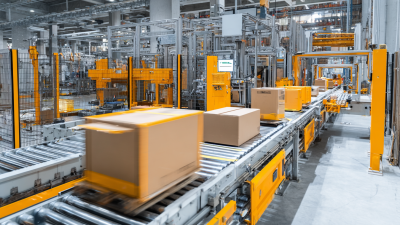
In essence, a belt conveyor operates by utilizing a continuous loop of material that is supported on a series of pulleys or rollers, making it an ideal solution for moving bulk materials. The design allows for safe and efficient transportation, adapting easily to different environments, whether it's a manufacturing facility, warehouse, or distribution center. With advancements in technology, belt conveyors have evolved to include features such as variable speeds and automated controls, optimizing performance further.
Understanding how a belt conveyor works not only aids in choosing the right equipment for specific tasks but also underscores the significance of this technology in modern material handling systems. As industries continue to evolve, the belt conveyor remains a vital piece of machinery, providing versatility and reliability in the movement of goods.
What is a Belt Conveyor? An Overview of Its Purpose in Material Handling
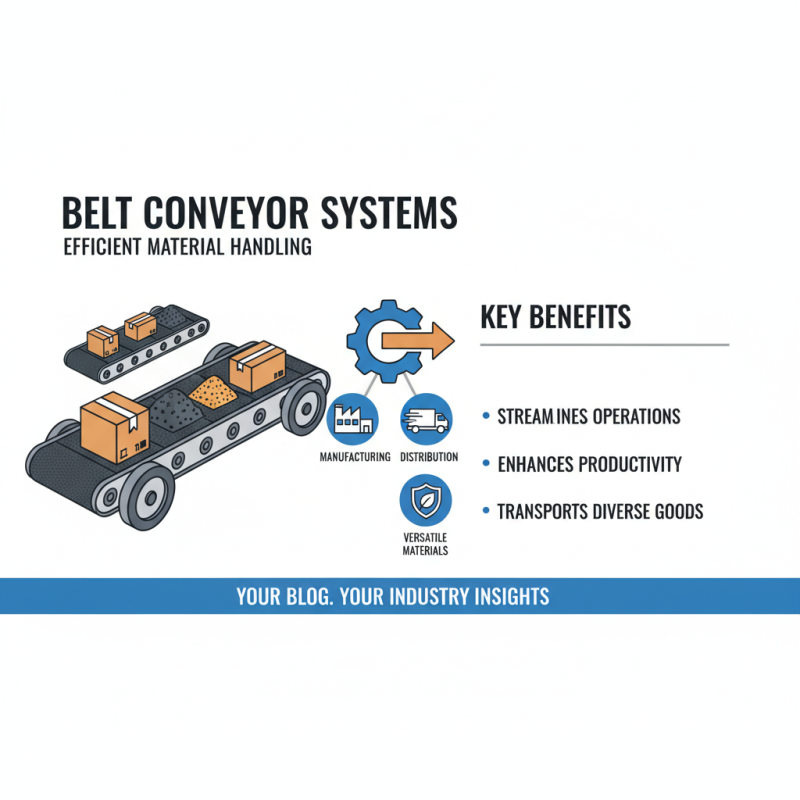
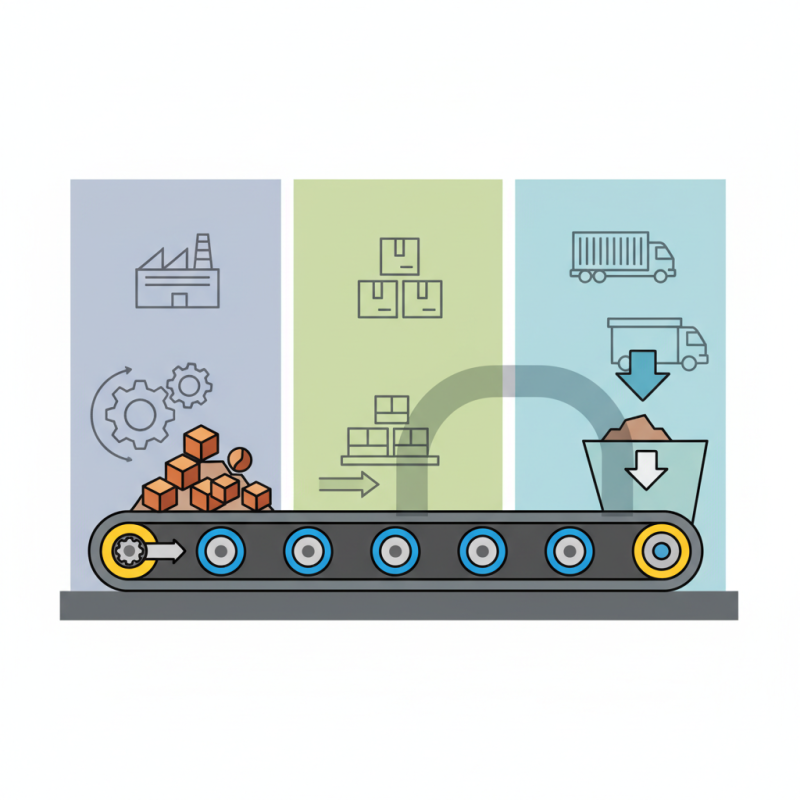
A belt conveyor is an essential mechanical system used in material handling, designed to transport goods efficiently from one point to another. Composed of a continuous loop of material—usually rubber, fabric, or metal—the belt moves over pulleys. This simple yet effective system is prevalent in various industries, from manufacturing to distribution, playing a crucial role in streamlining operations and enhancing productivity. The belt conveyor can handle a wide range of materials, including bulk items, packages, and even fragile goods, making it a versatile solution for different applications.
When implementing a belt conveyor system, proper maintenance and careful selection of components are vital. Regular checks for wear and tear, ensuring alignment with pulleys, and monitoring the belt's tension can significantly extend the life of the conveyor. Additionally, it is essential to consider the weight and size of the materials being transported, as this can affect the conveyor's performance.
**Tips:** Always ensure your conveyor belts are clean to prevent slippage and maintain functionality. Regular lubrication of moving parts can also reduce wear and enhance efficiency. Implementing safety measures, such as guards and emergency stops, can prevent workplace accidents and ensure smooth operation.
The Components of a Belt Conveyor and Their Functions in Operation
Belt conveyors are essential components in material handling systems, widely utilized across various industries due to their efficiency in transporting bulk materials. Understanding the key components of a belt conveyor can shed light on its operational functionality. The primary elements include the belt itself, pulleys (or drums), idlers, a drive mechanism, and the conveyor structure. The belt acts as the carrying surface, while pulleys provide the necessary tension and enable the belt movement. Idlers support the belt and maintain its alignment and stability throughout the system.
In a recent industry report by the Conveyor Equipment Manufacturers Association (CEMA), it is highlighted that the efficiency of belt conveyors can significantly impact overall productivity in material handling operations. For instance, properly aligned and maintained idlers can reduce operational friction by up to 50%, allowing for smoother material flow and less energy consumption. Furthermore, the integration of advanced drive mechanisms, such as variable frequency drives (VFDs), has been shown to optimize conveyor system performance, enhancing load handling capabilities and prolonging equipment life. With an estimated market value projected to reach $7.3 billion by 2025, the belt conveyor industry continues to evolve, focusing on innovation and sustainability as key drivers for future growth.
Belt Conveyor Performance in Material Handling
How Belt Conveyors Improve Efficiency in Various Industries
Belt conveyors play a pivotal role in enhancing operational efficiency across various industries by providing a reliable and continuous method for transporting materials. According to a report by the Conveyor Equipment Manufacturers Association (CEMA), conveyor systems can increase productivity by up to 30% due to their ability to move large volumes of materials with minimal manual labor. This results in quicker material handling processes, reducing the time it takes to transport goods from one location to another. Industries such as manufacturing, warehousing, and logistics have increasingly embraced belt conveyors, leading to significant improvements in throughput and workflow.
Moreover, the integration of belt conveyors minimizes operational bottlenecks. In large-scale manufacturing plants, for instance, automated belt systems streamline the flow of materials, ensuring that goods are readily available for production lines. A survey conducted by the Material Handling Industry of America (MHIA) indicated that companies that utilize belt conveyors reported a 20% reduction in operational costs related to labor and equipment maintenance. As industries strive for greater efficiency and cost-effectiveness, the reliance on belt conveyors continues to grow, solidifying their essential role in modern material handling operations.
What is a Belt Conveyor and How Does it Work in Material Handling
| Industry |
Belt Conveyor Type |
Material Handled |
Efficiency Improvement (%) |
Key Benefits |
| Manufacturing |
Modular Belt Conveyor |
Plastic Parts |
30 |
Increased flexibility and quick changeover |
| Food Processing |
Sanitary Belt Conveyor |
Food Products |
25 |
Hygienic design, easy cleaning |
| Mining |
Heavy-Duty Belt Conveyor |
Bulk Ore |
40 |
High capacity, durability |
| Logistics |
Roller Bed Conveyor |
Packages |
35 |
Efficient handling of varied loads |
| Pharmaceuticals |
Cleated Belt Conveyor |
Bottles and Vials |
20 |
Prevents spillage and product loss |
Key Benefits of Using Belt Conveyors for Material Handling Applications
Belt conveyors are a vital component in modern material handling systems, offering a plethora of advantages that enhance efficiency and productivity across various industries. One of the key benefits of using belt conveyors is their ability to transport materials over long distances with minimal effort and reduced labor costs. According to a report from the Conveyor Equipment Manufacturers Association (CEMA), belt conveyors can significantly lower operating costs by 15-30% when compared to other modes of material transport, especially for bulk materials. This efficiency is particularly beneficial in sectors such as manufacturing, mining, and logistics, where high-volume handling is essential.
In addition to cost savings, belt conveyors provide operational flexibility and reliability. They are capable of managing a wide range of materials, from light packages to heavy bulk products, adapting seamlessly to different shapes and sizes. An industry analysis by the National Institute of Standards and Technology indicates that incorporating belt conveyors can increase productivity by up to 20%, as they facilitate continuous flow and minimize downtime typically associated with manual handling. Furthermore, modern belt conveyors often feature adjustable speed settings and incline capabilities, allowing for customization to meet specific operational needs. This versatility contributes to more efficient layout designs and optimized workflow within facilities, making belt conveyors a cornerstone of effective material handling strategies.
Safety Considerations and Best Practices for Belt Conveyor Operation
When operating belt conveyors, safety should always be a paramount concern. One of the first steps in ensuring safe operation is to conduct regular inspections of the conveyor system. Check for wear and tear on belts, pulleys, and other components to prevent malfunction. Additionally, it is crucial to train all personnel on the proper operation and emergency procedures associated with the conveyor. This training should cover how to identify potential hazards and what actions to take in the event of an emergency.
Tips: Always wear appropriate personal protective equipment (PPE) when working around conveyors. Maintain a clear area around the conveyor to minimize risks and ensure that emergency stop buttons are easily accessible.
Another important safety consideration is the proper maintenance of the conveyor system. Scheduled maintenance checks can help identify issues before they escalate into safety hazards. Ensure that all safety guards are in place and functioning correctly, and that everyone is aware of any lockout-tagout practices. By fostering a culture of safety and encouraging open communication about potential risks, workplaces can significantly reduce the likelihood of accidents related to belt conveyor operations.
Tips: Encourage workers to report any concerns or irregularities in conveyor operation immediately. Implementing a safety observation program can also help in identifying and addressing potential risks effectively.