2026 Best Filling Machine for Your Business Needs?
In the fast-paced world of manufacturing, choosing the right filling machine is essential. Businesses face unique demands, and one-size-fits-all solutions rarely work. The filling machine you select must align with your product specifications and operational workflow.
Many companies struggle to identify the ideal filling solution. They often overlook critical features like speed, accuracy, and ease of use. A good filling machine should enhance efficiency without complicating processes. However, it’s common to find machines that promise high performance but fall short in real-life applications.
Exploring the best filling machine for your business requires thorough research and expertise. Look into various models and understand their specifications. Engaging with industry experts can provide valuable insights. Remember, the right filling machine is not just about increasing productivity; it’s about reliability and suitability for your specific needs. There’s always room for improvement in finding the perfect match.
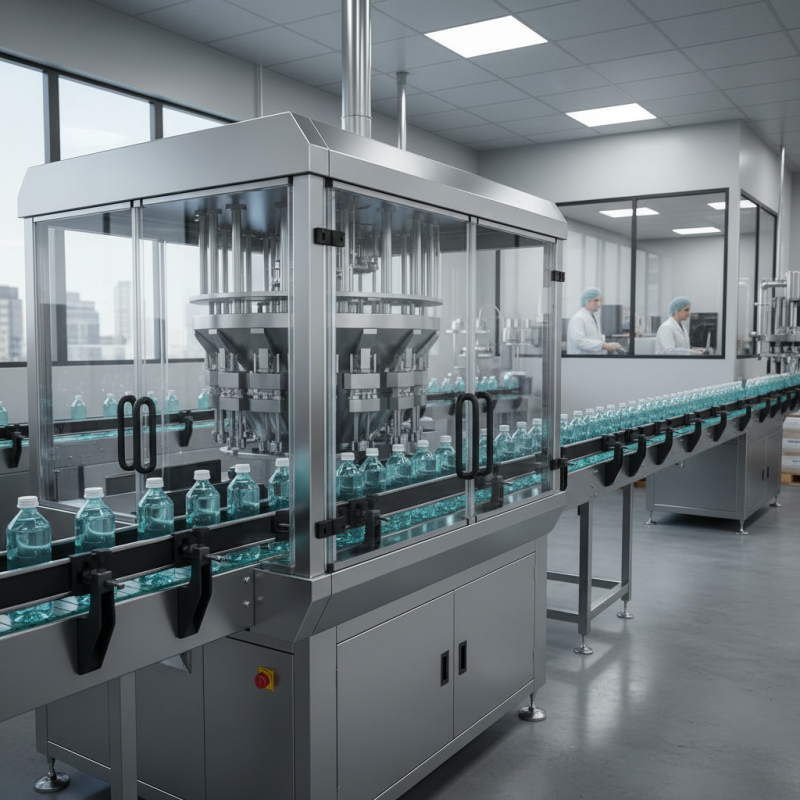
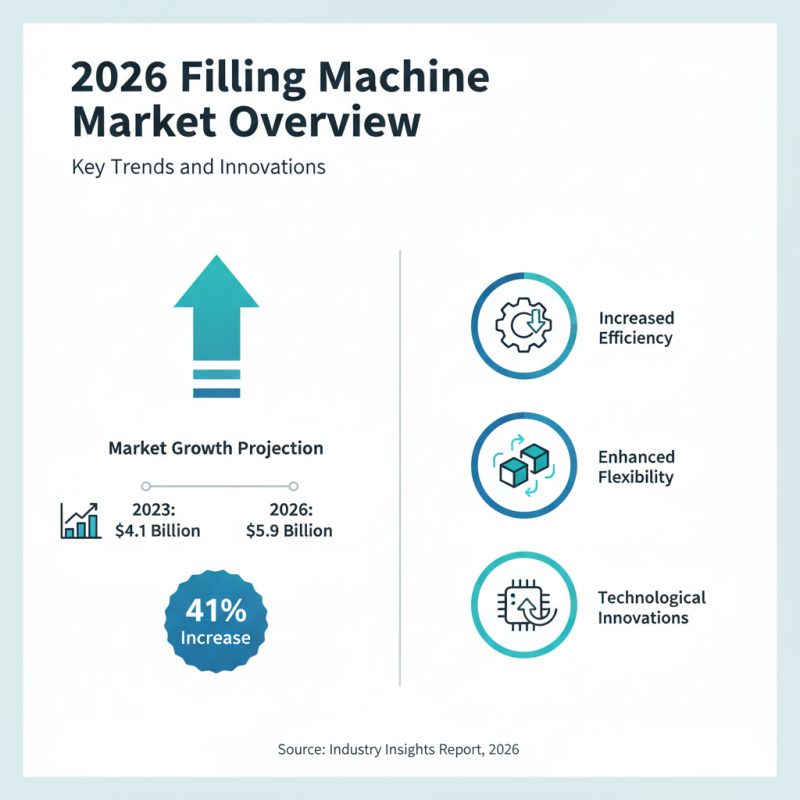
2026 Filling Machine Market Overview: Key Trends and Innovations
The filling machine market is evolving rapidly. In 2026, several key trends and innovations are poised to disrupt the industry. According to a recent report by Industry Insights, the global filling machine market is projected to grow from $4.1 billion in 2023 to $5.9 billion by 2026. This 41% increase highlights the significance of efficiency and flexibility in manufacturing processes.
Automation stands out as a leading trend. More companies are integrating automated systems to enhance production rates. This reduces the need for manual labor and minimizes human error. The adoption of smart technologies, like IoT, enables real-time monitoring. These innovations provide businesses with crucial data, helping them make informed decisions. However, challenges exist. Companies may struggle to adapt their existing infrastructures to new technologies.
Sustainability is another focus area. More manufacturers are developing eco-friendly filling machines. These machines utilize less energy while maintaining high efficiency. Reports suggest that nearly 30% of industry players are prioritizing sustainable practices to meet eco-regulations. This push raises questions about cost-effectiveness. Balancing eco-friendliness and operational costs can be tricky for many businesses. Assessing these innovations will be vital for thriving in the 2026 market.
Types of Filling Machines: Liquid, Powder, Granular, and Solid Fillers Explained
Filling machines are essential in various industries, handling diverse substances. Understanding the types available can significantly enhance your operations.
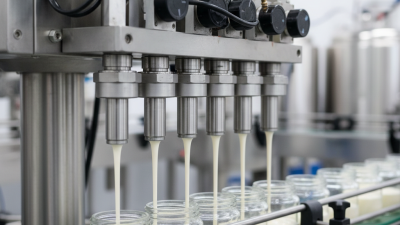
Liquid fillers are widely used for beverages and oils. They offer precision and speed, ensuring any liquid is dispensed quickly. For those dealing with fine powders, powder fillers can accurately load small quantities into bags or containers. This is crucial in sectors like pharmaceuticals or cosmetics. Granular fillers handle larger particles, suitable for materials like rice or sugar. Lastly, solid fillers, often used in food and toy industries, provide a reliable way to package non-flowing items.
Tips: Always analyze the specific requirements of your product before choosing a filling machine. Test several options to determine the best fit. Don’t forget to consider your production speed and space limitations.
Adapting to new technologies is also vital. Each filling machine type has unique features and potential drawbacks. Reflecting on your process can lead to better choices. The right machine not only boosts efficiency but also improves product quality. Balancing speed and accuracy is key to maximizing productivity.
Selecting the Right Filling Machine: Factors to Consider for Your Business
Selecting the right filling machine for your business involves careful consideration of several factors.
First, assess the type of product you'll be filling. Liquids, powders, and granules each require different machines. Understanding the nuances of your product is crucial. For instance, a liquid with varying viscosities may need a more specialized filling machine.
The production speed is another important factor. Businesses with high output demands might require machines that can refill faster. However, faster machines often compromise precision. Finding a balance between speed and accuracy can be challenging, but it's essential for maximizing efficiency.
Tips: Evaluate your current production pace. Are you meeting your targets? If not, consider upgrading your filling machine to boost productivity.
Additionally, consider the size and scale of your operations. A machine that fits a small space may be needed for smaller businesses. But larger enterprises might need robust, high-capacity machines. Reflect on your future growth. Will your chosen machine accommodate expansion in product range or volume?
Tips: Keep future needs in mind during selection. A machine that adapts can save you from significant costs in the long run. Look for options that offer versatility.
Cost Analysis: Understanding the Investment and ROI for Filling Machines
When selecting the best filling machine for your business, cost analysis plays a crucial role. You might face significant upfront costs, which can be daunting. Machines vary widely in price, influenced by capacity and features. Some machines can be a substantial investment, but they can also deliver a high return on investment (ROI).
To understand the true value of these machines, assess your production needs. A machine that meets your requirements minimizes waste and maximizes efficiency. Estimate the expected productivity and potential savings in labor costs. This evaluation can provide clarity on the ROI you can anticipate.
It’s also important to reflect on long-term maintenance costs. Regular servicing and parts replacement can add up. Some businesses overlook these expenses, which can derail financial plans. A true understanding of the total cost of ownership will guide better purchasing decisions. Balancing initial costs with long-term savings will yield the best outcomes. Consider investing time in research to ensure your choice aligns with your goals.
2026 Best Filling Machine for Your Business Needs?
| Machine Type |
Cost (USD) |
Production Speed (Bottles/Min) |
Operating Cost (Per Month) |
Estimated ROI (Years) |
| Semi-Automatic Liquid Filler |
$5,000 |
20 |
$200 |
2 |
| Fully Automatic Bottle Filler |
$15,000 |
50 |
$500 |
3 |
| Vacuum Filler for Liquids |
$12,500 |
30 |
$350 |
4 |
| Piston Filler |
$8,000 |
25 |
$250 |
3 |
| Gravity Filler |
$4,000 |
15 |
$150 |
2 |
Industry Standards and Compliance: Ensuring Quality in Filling Operations
In the competitive landscape of filling operations, adherence to industry standards is paramount. Regulatory bodies like the FDA and EFSA set stringent guidelines to ensure product safety and quality. For instance, a recent industry report indicated that 70% of violations in food safety stem from inadequate filling processes. Compliance not only safeguards consumer health but also enhances company reputation.
To maintain quality, regular training for staff is essential. Understanding operational standards ensures that employees are aware of the latest practices. Periodic audits can identify gaps in compliance. Addressing them promptly is crucial. Remember, unaddressed issues can lead to costly recalls.
Implementing advanced filling technologies can also aid in compliance. These machines often include features like automatic shut-off and precise volume control, reducing human error. Data suggests that businesses adopting these technologies have seen a 40% decrease in product wastage. Invest time in evaluating your current machinery to ensure it meets modern compliance needs. Your commitment to quality will speak volumes about your business.