10 Best Industrial Packaging Equipment for Maximum Efficiency
In today's fast-paced manufacturing landscape, the importance of efficient industrial packaging equipment cannot be overstated. With the global market for industrial packaging projected to reach USD 600 billion by 2025, businesses are increasingly investing in advanced packaging technologies to enhance productivity and reduce costs. According to a recent report by Smithers Pira, the growing demand for sustainable and optimized packaging solutions is driving innovation in the industry. As companies strive to improve their supply chain efficiencies, the right packaging equipment plays a pivotal role in ensuring that products are well-protected, efficiently transported, and presented in an appealing manner.
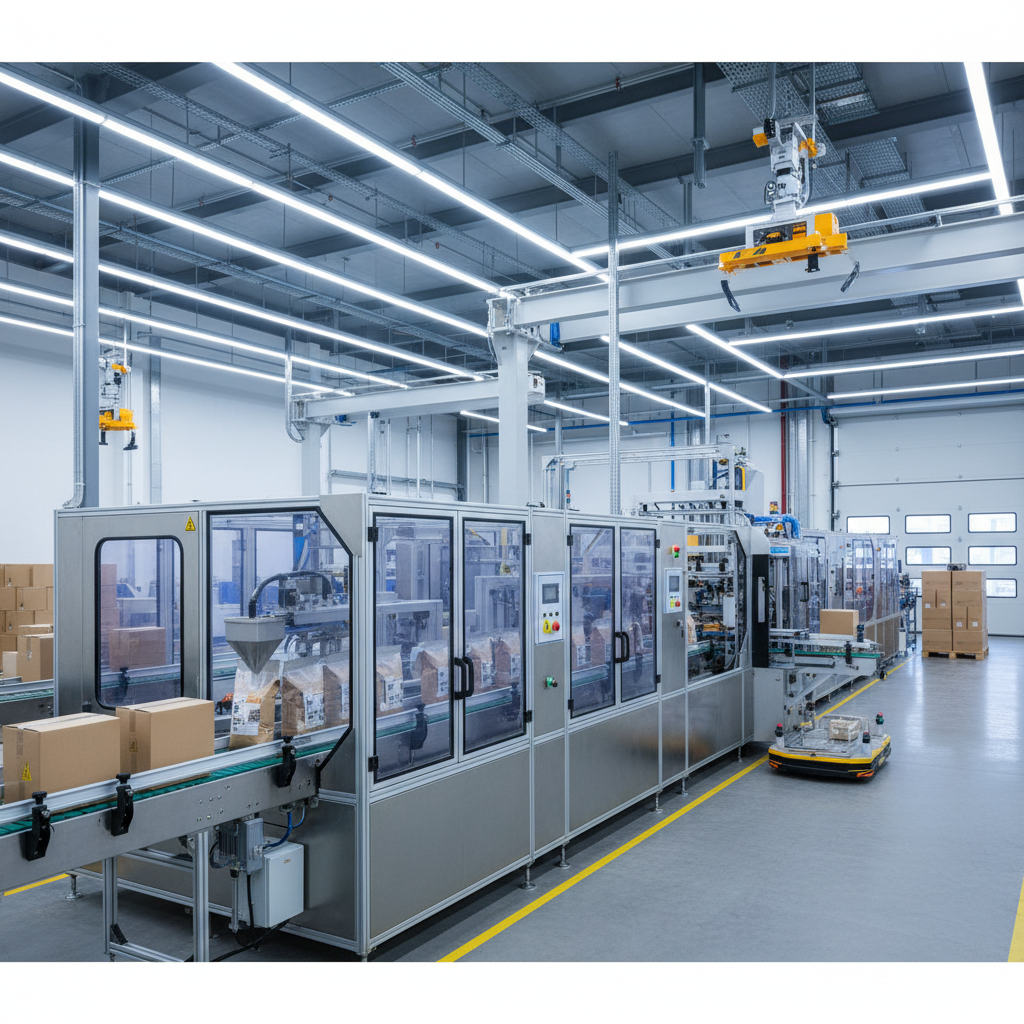
Moreover, the adoption of modern industrial packaging equipment has been linked to significant reductions in operational waste and labor costs. For instance, automated systems can boost packaging speed by up to 50%, which can dramatically influence overall output. As manufacturers look to maintain a competitive edge, investing in state-of-the-art equipment becomes essential. In this context, we explore the 10 best industrial packaging equipment solutions that are poised to maximize efficiency, meet regulatory requirements, and adapt to the future trends of the packaging industry.
Top 5 Essential Features to Look for in Industrial Packaging Equipment
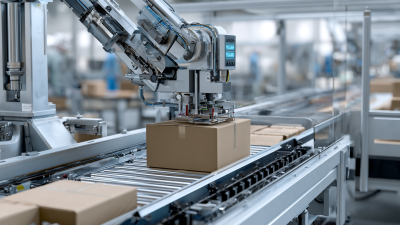
When selecting industrial packaging equipment, it is crucial to focus on features that enhance efficiency and productivity. One essential feature is automation capability. Equipment that integrates automated processes reduces manual labor and minimizes errors, leading to faster packaging cycles and lower operational costs. Automation not only boosts production speed but also ensures consistent quality across multiple packaging runs.
Another critical aspect to consider is flexibility. The ability to adapt to various package sizes and types allows manufacturers to respond quickly to changing market demands. Equipment that can handle diverse products without requiring significant downtime for adjustments provides a competitive edge. Additionally, user-friendly interfaces are paramount; intuitive controls simplify operation, reduce training time, and improve overall team efficiency.
Lastly, durability and maintenance requirements should not be overlooked. Robust equipment designed to withstand heavy usage will have a longer lifespan, reducing the need for frequent replacements. Moreover, machines that are easy to maintain help avoid prolonged downtimes, ensuring that the packaging process remains uninterrupted and efficient. These features collectively contribute to maximizing the effectiveness of industrial packaging operations.
10 Best Industrial Packaging Equipment for Maximum Efficiency
| Equipment Type |
Key Features |
Efficiency Rating |
Energy Consumption (kWh) |
Maintenance Frequency (months) |
| Automatic Strapping Machine |
Speed, Versatility, Safety Features |
9/10 |
1.5 |
6 |
| Case Sealers |
Easy Operation, Consistent Sealing, Compact Design |
8/10 |
1.2 |
12 |
| Pallet Wrappers |
Speed, Loading Capacity, User-Friendly Controls |
9.5/10 |
2.0 |
8 |
| Labeling Machines |
Precision, Speed, Integration with Other Systems |
8.5/10 |
0.8 |
10 |
| Shrink Wrapping Machines |
Efficiency, Versatility, Compact Size |
9/10 |
1.0 |
7 |
Innovative Technologies Revolutionizing Industrial Packaging Efficiency
In recent years, the landscape of industrial packaging has been dramatically transformed by
innovative technologies that enhance
efficiency and productivity. The emergence of
advanced robotics plays a significant role in this revolution,
streamlining processes and reducing labor costs. Companies are increasingly integrating
automation solutions that not only optimize workflows but also minimize errors
and waste. This shift towards automation is particularly evident in sectors such as
semiconductor manufacturing,
where precision and speed are critical.
Moreover, startups are entering the fray with groundbreaking ideas
that challenge traditional methods. For instance, recent advancements in robotic manipulation
have shown promise in elevating packaging standards across various industries. With funding
from significant ventures, these companies are set to pioneer new approaches, enabling more
adaptable and versatile machines that can respond to changing demands swiftly. The future of
industrial packaging thus stands at the intersection of robotics and innovative technologies,
paving the way for unprecedented levels of efficiency and sustainability.
Comparative Analysis: Manual vs. Automated Packaging Solutions
When considering packaging solutions for industrial applications, a critical decision lies between manual and automated systems. Manual packaging often involves human labor to carry out tasks such as filling, sealing, and labeling products. This approach can be more flexible, allowing for quick adjustments to accommodate varying product lines or small batch sizes. However, it may lead to slower production rates and increased risk of human error, which can affect the overall efficiency and accuracy of the packaging operation.
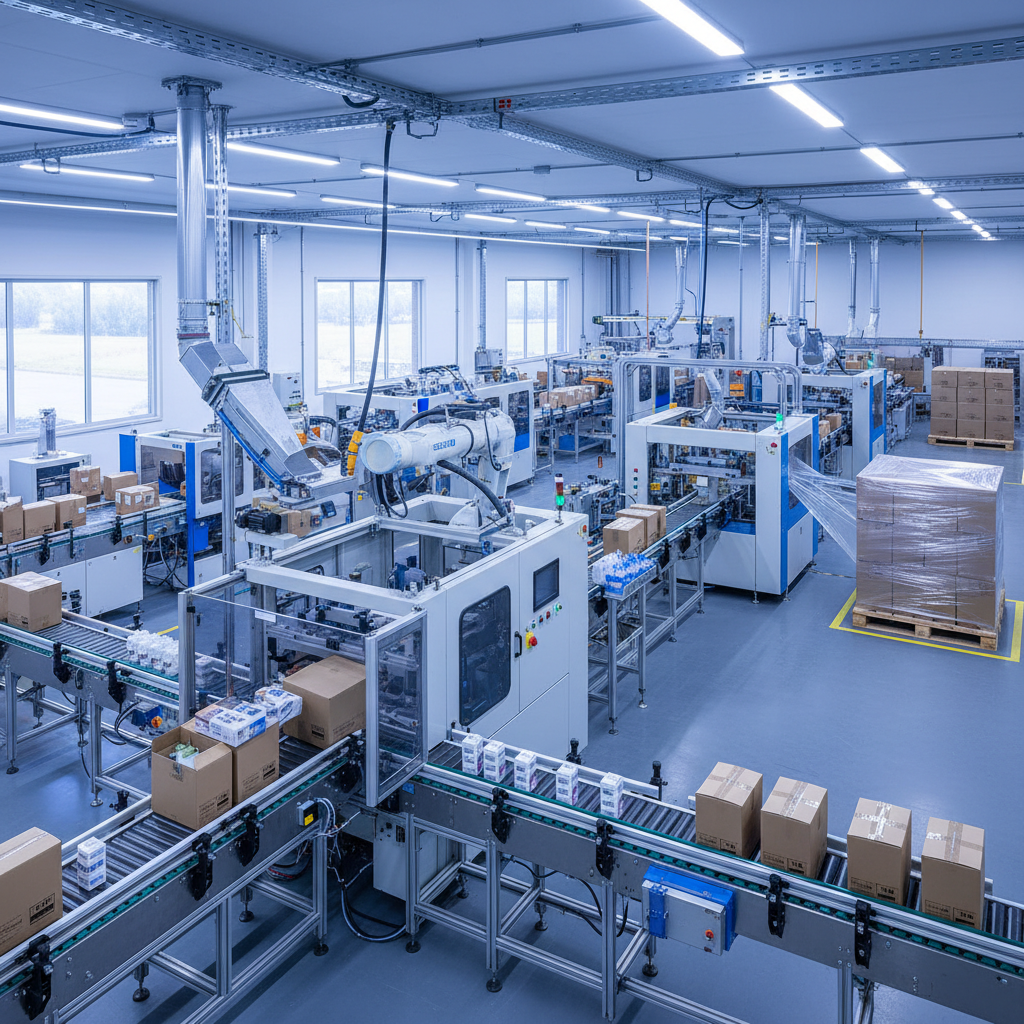
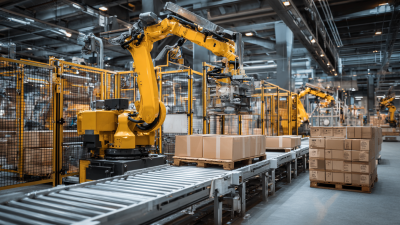
In contrast, automated packaging solutions are designed to streamline processes and maximize productivity. These systems utilize advanced machinery to execute packaging tasks with speed and precision, reducing labor costs and minimizing human intervention. While the initial investment in automated equipment may be significant, the long-term benefits include heightened efficiency, consistency, and the ability to scale production with ease. Moreover, automated systems can integrate with other manufacturing processes, creating a more cohesive and efficient workflow.
Cost-Benefit Breakdown of Investing in High-Performance Packaging Equipment
Investing in high-performance packaging equipment can lead to significant cost benefits for industries such as pharmaceuticals, food, and consumer products. The global pharmaceutical equipment market is projected to grow substantially, with an expected increase from $23.67 billion in 2025 to $38.82 billion by 2032. This growth rate of 7.3% emphasizes the need for companies to adopt advanced packaging solutions that enhance operational efficiency and maintain compliance with stringent regulations.

Moreover, the demand for food packaging equipment is also on the rise, projected to reach approximately $28.29 billion by 2032, driven by increasing consumer preference for convenience and processed foods. High-performance packaging machinery, which automates filling, sealing, and labeling processes, not only streamlines operations but also significantly reduces labor costs and material waste. By prioritizing investments in state-of-the-art equipment, businesses can optimize their packaging workflows, ultimately yielding higher productivity and profitability.
Future Trends in Industrial Packaging Equipment and Their Impact on Efficiency
As industries evolve, the future of industrial packaging equipment is being shaped by technological advancements, sustainability initiatives, and automation trends. According to a recent report by Smithers Pira, the global market for industrial packaging is projected to reach $210 billion by 2024, with a significant shift towards smart packaging solutions that enhance operational efficiency. This trend reflects an increasing emphasis on reducing waste and optimizing logistical processes, as companies strive to meet both regulatory demands and consumer expectations.
Automation plays a pivotal role in this transformation. The International Federation of Robotics forecasts that the use of robotics in packaging will grow by over 20% annually, driven by the need for increased speed and efficiency. Automated packing systems not only reduce labor costs but also improve accuracy in packaging, which is crucial in minimizing material waste. Furthermore, integrating IoT technology allows for real-time monitoring of production processes, leading to further enhancements in efficiency and a reduction in downtime. As these trends continue to develop, the impact on industrial packaging equipment is poised to bring about significant improvements in productivity and sustainability across various sectors.