Top 10 Best Material Handling Carts for Efficient Warehouse Solutions
In a busy warehouse, efficiency is key. That’s where material handling carts come into play. These versatile tools can transform how you manage storage and transport tasks. With various designs and functionalities, material handling carts streamline operations. Their use can significantly reduce manual labor while enhancing productivity.
Choosing the right cart may seem simple, yet it often involves careful consideration. Factors include weight capacity, maneuverability, and intended use. A cart that excels in one area might fall short in another. For instance, a lightweight cart may not bear heavy loads, leading to frustration. Reflecting on these details is crucial for optimizing warehouse solutions.
Material handling carts are not merely functional; they can also contribute to safety. A well-chosen cart minimizes accidents, keeping workers safe from injury. However, if the carts do not meet specific needs, they could create hazards. Understanding the nuances of each option can lead to smarter choices and better results in your operations.
Overview of Material Handling Carts in Warehousing
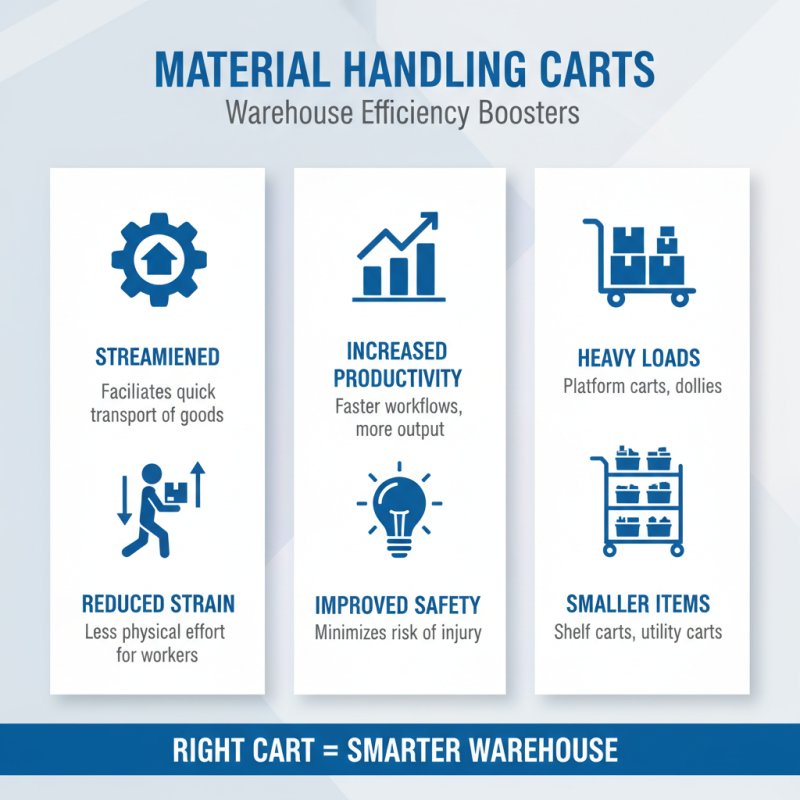
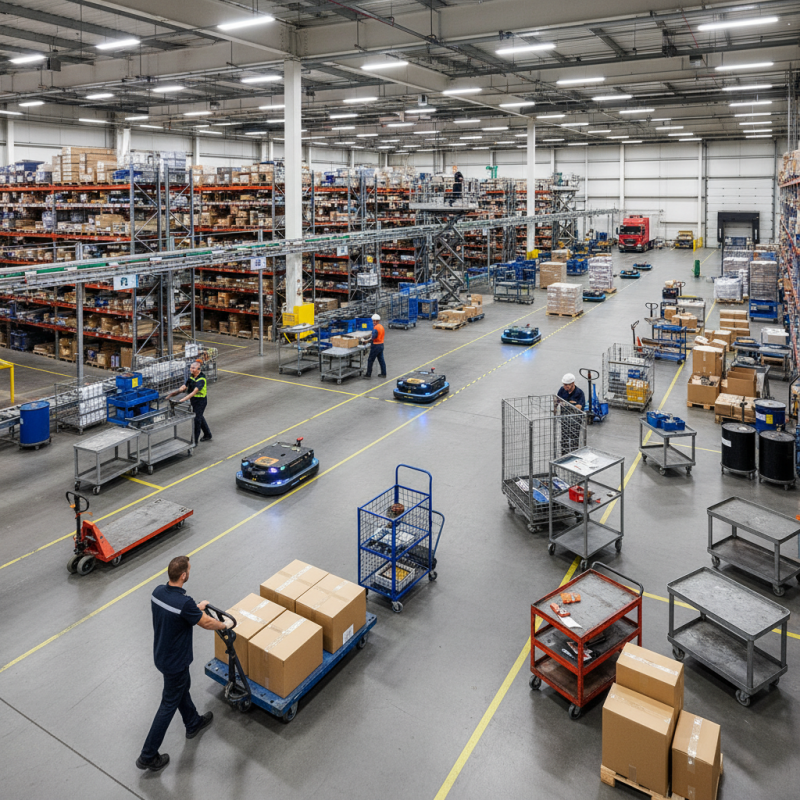
Material handling carts play a vital role in warehouse operations. They streamline the movement of goods. Properly designed carts can reduce the physical strain on workers. This leads to increased productivity and efficiency. Different styles of carts serve various purposes. Some are great for heavy loads, while others are better for smaller items.
It is essential to consider the right cart for your specific needs. Choosing the wrong type can lead to inefficiencies. For instance, a cart that is too small may require multiple trips. This can waste time and energy. We should also reflect on the design. A cart that lacks adequate stability might pose safety risks and lead to accidents.
The material of the cart significantly impacts its usability. Carts made from durable materials last longer, but they also weigh more. Striking a balance between weight and durability is crucial. Additionally, the wheels should be of high quality. Poorly designed wheels can cause frustration, hindering smooth movement. Evaluating these details is key to enhancing warehouse efficiency.
Key Features to Consider When Selecting a Material Handling Cart
When selecting a material handling cart, consider weight capacity first. The best carts can hold heavy loads without bending or breaking. Think about the types of items you will move. Bulky items need larger carts, while small parts might fit in a compact version.
Wheels are crucial. Choose carts with durable wheels that glide smoothly. Carts with swivel wheels make navigation easier. But check if they lock in place to prevent accidents. Stability is also key. A cart that tips easily is not safe for use. Inspect the base width; a wider base often provides better stability.
Remember to look for ergonomic features. Handles should be at a comfortable height. This reduces strain on the back during use. Some carts come with additional storage, like shelves or hooks. This can help keep your workspace organized and efficient.
Tips: Test the cart before purchasing. Ensure it meets your specific needs. Weight distribution matters, so experiment with load placement. A well-chosen cart can make warehouse tasks smoother. But do not rush—take your time to evaluate different options thoroughly.
Top 10 Material Handling Carts Best Suited for Warehouse Operations
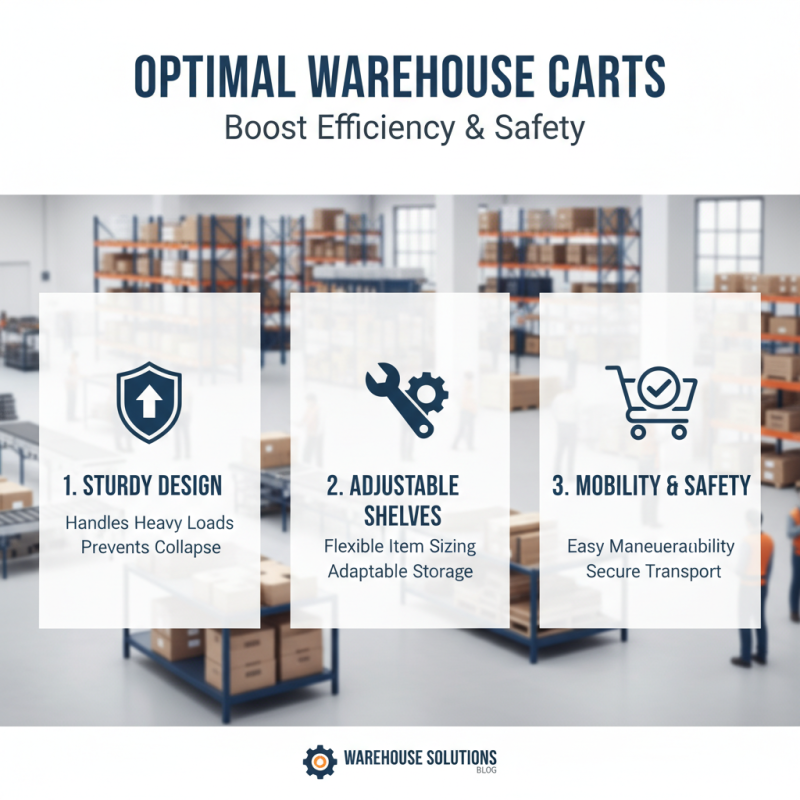
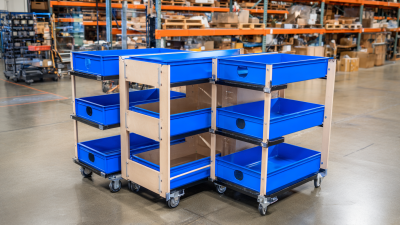
In a busy warehouse, efficiency is key. The right material handling carts can make a significant difference. A cart should have a sturdy design to handle heavy loads without collapsing. Consider features like adjustable shelves. These allow flexibility depending on the size of your items.
Another important aspect is maneuverability. Look for carts with smooth-rolling wheels. Carts without proper wheels can hinder productivity. A well-designed handle is equally crucial. It should be comfortable to grip. A cart that is too low or too high can cause strain.
Space constraints in a warehouse are common. Some carts are collapsible, saving space when not in use. However, they may have less load capacity. Evaluate the trade-offs. Finally, ensure that safety features are included, like brakes on wheels. Small details make a big impact in daily operations.
Comparative Analysis of Material Handling Carts and Their Applications
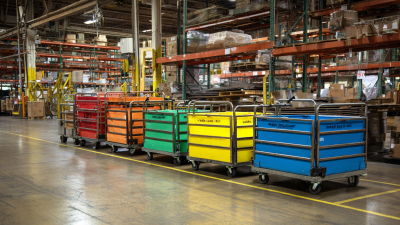
Material handling carts play a crucial role in warehouse efficiency. They come in various designs and materials, catering to different needs. For example, some carts are designed for heavy loads, while others are better suited for smaller items. This variety allows warehouses to choose carts that best fit their operations, enhancing productivity.
When analyzing material handling carts, one must consider their applications. A cart meant for stacking boxes may not work well for transporting bulky equipment. It's essential to assess the layout of the warehouse and the types of goods handled. Some carts have fixed shelves while others have adjustable features, offering versatility. However, not every design is perfect. Users may find some carts difficult to maneuver, especially in tight spaces.
Another factor is the material used. Steel carts tend to be robust but can be heavy. Plastic carts, on the other hand, are lightweight but might not withstand heavy use. This trade-off requires careful thought. A good cart enhances workflow but a poorly selected one can hamper it. Planning and reflection on specific needs can lead to better choices, ultimately improving warehouse solutions.
Top 10 Best Material Handling Carts
Maintenance Tips for Longevity of Material Handling Carts
Material handling carts play a crucial role in warehouse efficiency. They move goods and materials from one location to another with ease. To ensure these carts serve you well, proper maintenance is key. Here are some tips to help prolong their lifespan.
Regularly inspect your material handling carts. Look for any signs of wear and tear. Check the wheels and casters for damage. They should roll smoothly. If they squeak or wobble, it may be time for a replacement. Tighten any loose bolts and screws to prevent accidents. Keep the carts clean. A buildup of dirt can hinder performance.
Lubricate the moving parts. This helps prevent rust and ensures smooth operation. Use an appropriate lubricant, applying it in small amounts. Avoid over-lubrication, as it can attract dirt. Pay attention to the weight limits. Exceeding these limits can lead to structural damage or accidents.
Store carts properly. When not in use, keep them in a dry area. This avoids moisture damage. Training employees on proper usage also helps. Misuse can lead to wear and tear. Encourage staff to treat carts with respect. This small change can lead to monumental benefits over time.
Top 10 Best Material Handling Carts for Efficient Warehouse Solutions
| Cart Type |
Load Capacity |
Material |
Wheel Type |
Best Use Case |
Maintenance Tips |
| Utility Cart |
150 lbs |
Plastic |
Swivel |
Lightweight transport |
Regular wheel maintenance |
| Flatbed Cart |
500 lbs |
Steel |
Rubber |
Heavy-duty transportation |
Inspect for rust |
| Multi-Shelf Cart |
200 lbs |
Aluminum |
Polyurethane |
Organization and storage |
Wipe down regularly |
| Tote Cart |
300 lbs |
Plastic |
Rigid |
Transporting items securely |
Check for cracks |
| Platform Cart |
600 lbs |
Wood |
Metal |
Bulk item transportation |
Keep surfaces clean |
| Hand Truck |
300 lbs |
Steel |
Pneumatic |
Moving boxes and crates |
Lubricate wheel axles |
| Dump Cart |
400 lbs |
Polyethylene |
Swivel |
Garden and landscaping |
Check for wear on tires |
| Carts with Shelves |
350 lbs |
Stainless Steel |
Non-marking |
Food service |
Keep shelves organized |
| Electric Cart |
800 lbs |
Aluminum |
Solid |
Long-distance transport |
Regular battery checks |
| Convertible Cart |
500 lbs |
Steel |
Polyurethane |
Versatile handling |
Adjust as needed |