Why Do Businesses Need a Filling Machine for Their Production Processes?
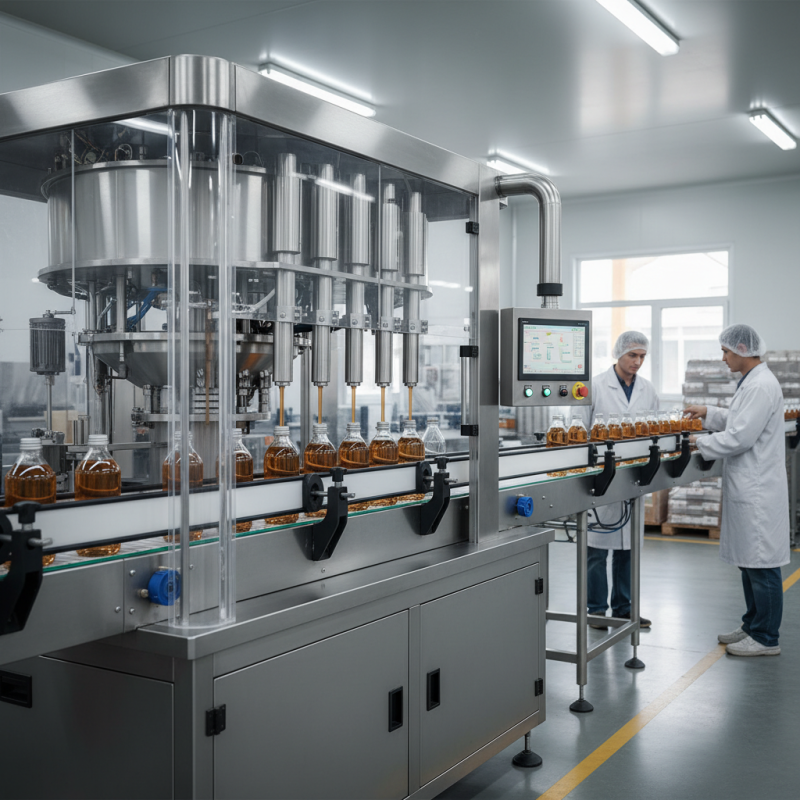
In the competitive world of business, efficiency matters. Companies strive to improve their production processes daily. A key player in this pursuit is the filling machine. This equipment streamlines filling tasks that could otherwise slow down operations.
Without a properly functioning filling machine, mistakes can happen. Manual filling often leads to inconsistencies in product quantity. This can frustrate both staff and customers. Automated filling machines reduce the risk of these errors. They increase productivity and maintain quality.
Switching to a filling machine can be a daunting task. Staff may worry about adapting to new technology. Companies must provide thorough training to ease this transition. However, the benefits typically outweigh these initial challenges. Ultimately, a filling machine enhances production capabilities, making it a worthwhile investment for any business.
The Importance of Efficiency in Production Processes
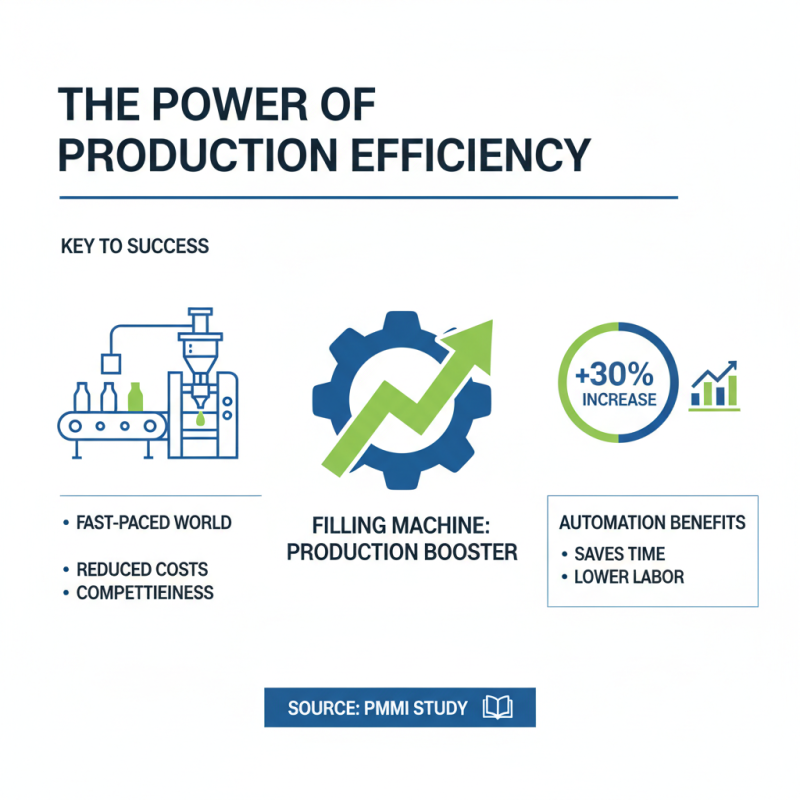
In today’s fast-paced manufacturing world, efficiency is crucial. A filling machine plays a vital role in enhancing production processes. According to a study by the Packaging Machinery Manufacturers Institute (PMMI), automation can increase production efficiency by up to 30%. This improvement saves time and reduces labor costs, crucial for businesses aiming for competitiveness.
Efficiency doesn’t come without challenges. Selecting the right filling machine can be complex. Factors such as product type, viscosity, and container design require careful consideration. Businesses often overlook these details, leading to production delays. Investing time to research and evaluate options is essential. Understanding the nuances can make a significant difference.
**Tips:**
1. Always assess your production volume needs. This can help you choose a machine that fits your pace.
2. Keep an eye on maintenance. Regular upkeep can prevent costly downtimes.
3. Train your staff properly on new machines. A well-informed team enhances overall effectiveness.
Streamlining production is not just about having the latest technology. It’s about making informed decisions that align with your business goals. Small oversights can snowball into major issues. Therefore, dedicating time to reflect on processes is vital. Embracing efficiency means being ready to adapt and change.
Types of Filling Machines and Their Applications
Filling machines play a crucial role in modern production. They ensure accuracy, efficiency, and consistency in product packaging. Various types of filling machines cater to different needs, impacting industries from food and beverage to pharmaceuticals.
According to a recent market report, the global filling machine market is projected to reach USD 6.67 billion by 2027, driven primarily by rising demand for packaged products.
Liquid filling machines are favored in the beverage industry. They handle various viscosities, from water to syrups. Recent data shows that approximately 30% of beverage manufacturers have upgraded to automated systems to enhance production capacity. However, operators still face challenges like equipment maintenance and production downtime.
In contrast, dry filling machines are essential for food packaging. They efficiently fill items like granules or powders. Reports indicate that a significant portion—over 40%—of food production facilities still rely on manual filling processes. This can lead to inefficiencies and increased waste. It highlights the need for businesses to reassess their equipment and processes for better performance.
Benefits of Automated Filling Machines for Businesses
In today’s competitive market, automated filling machines are essential for businesses. They streamline the production process, increase efficiency, and minimize errors. According to a report by Allied Market Research, the global filling machine market is expected to reach $6.4 billion by 2027, showcasing the growing need for such technology. These machines can fill various products, including liquids, powders, and granules, ensuring consistency and accuracy in every batch.
One of the main benefits of automated filling machines is their ability to save time. They can operate much faster than manual filling processes. Machines can fill thousands of containers per hour. This efficiency reduces labor costs and increases output. Moreover, automated machines can minimize waste, helping businesses cut costs. However, it’s important to regularly maintain these machines to avoid unexpected downtime.
Tips: Always assess the specific needs of your production line. Different products may require different types of filling machines. Analyze factors like container size and filling volume. Sometimes, investing in a more versatile machine might yield higher long-term returns. Also, keep in mind that complete automation may not fit every type of production. Balancing automation with human oversight can sometimes enhance quality and flexibility in operations.
Key Factors to Consider When Choosing a Filling Machine
When selecting a filling machine, several factors come into play. The type of product being filled is crucial. Liquids, powders, and granules each have specific requirements. A machine that works well for one won't suit another. Think about the viscosity of the liquid. Thicker liquids often need specialized nozzles or pumps. If the product is foamy, that adds another layer of complexity.
Speed is another key component. A business must determine its production rate. Does it need high-volume output? Or is it a small-batch operation? Balancing speed and quality can be a challenge. Slower machines may yield better accuracy, but they limit throughput.
The machine's reliability is worth considering. Frequent breakdowns can slow production. This inconsistency often leads to frustration. Maintenance costs can add up as well. It is essential to research the machine’s track record before purchase. Finally, the budget must align with these needs. A low-cost machine might not provide the necessary features. Investing wisely ensures long-term satisfaction.
Reasons Why Businesses Need a Filling Machine
This chart illustrates the importance level of various reasons why businesses need a filling machine in their production processes. The factors include increased efficiency, cost savings, improved accuracy, scalability, and better hygiene, indicating why investing in such machinery is crucial for operational success.
Impact of Filling Machines on Product Quality and Consistency
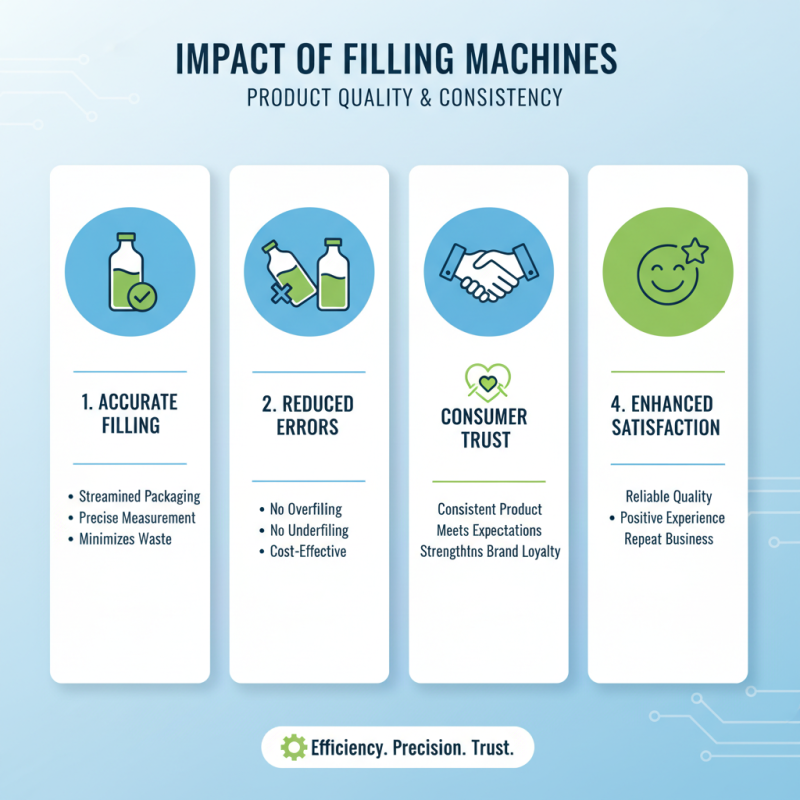
Filling machines play a crucial role in ensuring product quality and consistency. These machines help to streamline the packaging process, allowing companies to fill containers accurately. A precise filling process minimizes waste and reduces the likelihood of overfilling or underfilling. This accuracy directly affects customer satisfaction. When consumers receive exactly what they expect, their trust in the brand strengthens.
Moreover, the consistency that filling machines provide is vital in maintaining product standards. Automated systems can replicate the same filling volume with minimal variation, which is essential for products like beverages and cosmetics. Challenges may arise if a machine is poorly calibrated, leading to inconsistent quality. This can damage brand reputation and result in customer complaints. Occasionally, machines may fail or deliver unexpected results, prompting manufacturers to reassess their processes.
Attention to detail is paramount in production. Regular maintenance and calibration of filling machines are essential for sustained accuracy. Any lapse can have far-reaching consequences, influencing both quality and profitability. Companies must remain vigilant and open to continuous improvements in their filling processes. Balancing efficiency and precision can be tough, but the rewards are worth the effort.