How to Choose the Best Stackable Parking Systems for Your Needs?
In urban areas, space is a precious resource. Stackable Parking Systems have emerged as a versatile solution for maximizing limited parking space. According to a report by the National Parking Association, the demand for innovative parking solutions is growing by 15% annually. In this climate, understanding how to select the best stackable parking system can significantly impact a property's value.
Expert insights reinforce this need for informed choices. John Smith, a leading authority in parking design, stated, “The right stackable parking system can transform how we think about urban space.” His perspective emphasizes that each project requires careful consideration of specific needs, as not every system suits every environment or budget.
Choosing the best stackable parking systems involves more than just aesthetics or cost. It requires examining the technology, the efficiency of space usage, and the ease of operation. Many systems boast limited technical support, which can lead to operational hiccups. As the industry evolves, the importance of professional guidance increases, making expert advice crucial for a successful parking solution.
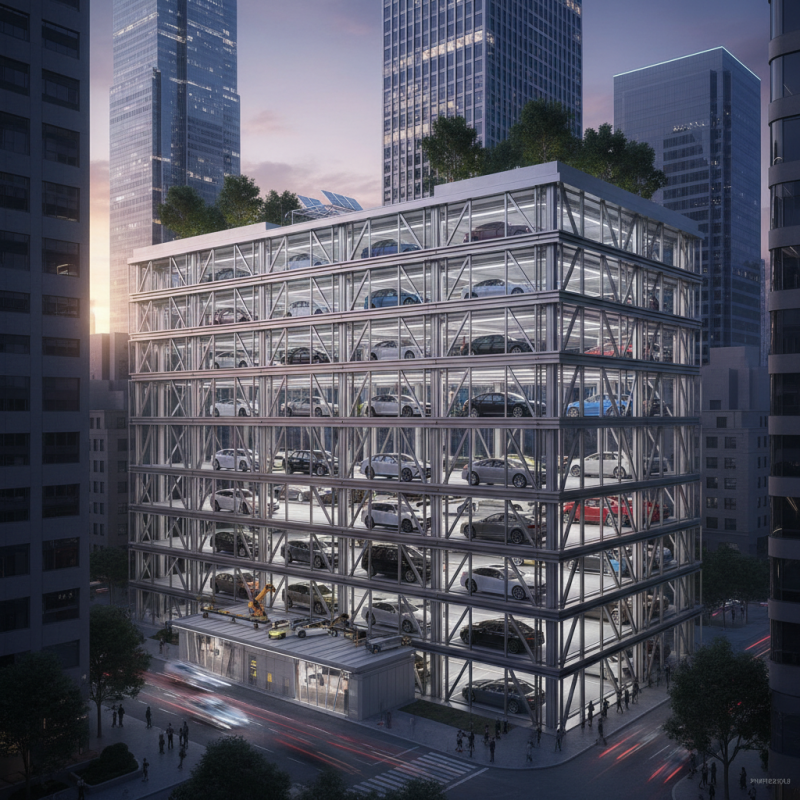
Understanding Different Types of Stackable Parking Systems
When choosing a stackable parking system, understanding its types is essential. There are two common types: mechanical and automated systems. Mechanical systems often require user interaction. They tend to be more affordable but may require more maintenance. In contrast, automated systems are designed for efficiency and speed. They eliminate the need for drivers to park their vehicles manually. According to industry reports, automated systems can increase parking capacity by up to 60% in urban areas.
Different designs exist within these categories. For example, puzzle parking systems stack vehicles in a grid format. This innovative design optimizes space in crowded areas. In some cases, multi-car stackers can accommodate two to four vehicles in a single footprint. However, these systems can be complex and may pose challenges for installation and maintenance. Data indicates that improper installation can lead to operational inefficiencies, affecting overall user experience.
Cost is another critical factor. The average installation cost for these systems ranges from $20,000 to $100,000, depending on their complexity and size. Furthermore, maintenance costs should be considered. Regular checks are crucial for ensuring functionality. Without proper care, the efficiency of these systems decreases over time, leading to frustrated users and potential revenue loss. Evaluating these aspects can lead to better decision-making for your parking needs.
Assessing Your Space Requirements for Stackable Parking Solutions
When considering stackable parking solutions, assessing your space is crucial. Different settings require various dimensions and layouts. Analyze the vertical height and ground space available. Think about the number of vehicles you need to accommodate. Smaller lots may benefit from compact units. Larger spaces could handle multi-level systems.
Evaluate your existing infrastructure. This includes access points, turning radii, and surface conditions. If your space has tight corners, a more maneuverable design might be necessary. Take note of any nearby obstacles that could affect installation or daily use. It’s also wise to assess the adaptability of your chosen system. Will it fit changing needs over time?
Reflect on your long-term plans as well. Stackable systems can enhance parking efficiency but may not suit every scenario. Assess potential changes in your operations or vehicle types. Consider if additional units could be added later. Each decision carries implications for your layout and costs. Analyze before committing to ensure the best fit.
Evaluating Safety Features and Regulations in Parking Systems
When selecting stackable parking systems, evaluating safety features and regulations is crucial. Parking systems must comply with local safety standards. This ensures they operate without any risks. First, look for features like tilt protection and emergency stop functions. These are essential in preventing accidents.
Additionally, consider the materials used in the construction of these systems. High-quality steel and robust mechanisms can enhance safety. Check for certification labels from recognized safety organizations. They indicate reliability and adherence to regulations. Keep in mind, not all features guarantee safety. Some systems may look advanced but lack real-world effectiveness.
Moreover, local building codes often dictate specific requirements. It’s vital to consult with experts before installation. Ignoring regulations can lead to costly fines and unsafe conditions. Reflecting on potential hazards is necessary. Assess every aspect from user accessibility to maintenance needs. A thorough evaluation helps in making an informed choice. Safety should always be a priority when choosing parking solutions.
How to Choose the Best Stackable Parking Systems for Your Needs? - Evaluating Safety Features and Regulations in Parking Systems
| Feature | Description | Importance | Regulatory Compliance |
| Safety Sensors | Detect vehicles and ensure no object or person is in the way during operation. | High | Must comply with local safety regulations. |
| Load Capacity | Maximum weight limit that the system can support. | Critical | Should meet structural engineering standards. |
| Emergency Stop Function | Allows immediate cessation of operation in case of emergencies. | Essential | Required by most safety codes. |
| Fire Safety Features | Includes fire suppression systems and compliance with fire regulations. | Very Important | Must adhere to local fire safety laws. |
| User-Friendly Controls | Simple operation for users, including visual indicators. | Important | Compliance with ADA standards may be required. |
Cost Considerations and Budget Planning for Parking Systems
When considering stackable parking systems, cost is a crucial factor. The initial investment can vary significantly. According to industry reports, prices typically range from $20,000 to $100,000, depending on system complexity and capacity. However, the long-term savings can be substantial. A well-chosen system can reduce real estate costs by maximizing space utilization. This can be particularly beneficial in urban areas, where parking demand often exceeds supply.
Budget planning is essential. Many facilities overlook hidden costs, such as installation, maintenance, and operation. A recent survey indicated that maintenance could account for up to 15% of ongoing expenses annually. Allocating funds for these aspects is vital for sustainability. Also, consider future scalability. As needs grow, flexibility in the system can save money in the long run. Many operators fall into the trap of underestimating these factors.
In addition to direct costs, evaluate potential revenue streams. Some systems offer features that can increase user fees. For instance, automated parking can enhance turnover rates and customer satisfaction. This can lead to higher profits over time. Investing wisely requires understanding both initial costs and long-term benefits. A balance must be struck to ensure a robust return on investment.
Installation and Maintenance Factors for Long-term Use of Systems
When selecting stackable parking systems, installation and maintenance are paramount for long-term effectiveness. Proper installation ensures the system functions reliably. A study from the International Parking Institute reveals that nearly 30% of parking system issues stem from improper setup. This staggering statistic highlights the importance of expert guidance during installation. Engaging trained professionals minimizes risks and optimizes the system's performance, leading to improved safety and user satisfaction.
Maintenance is equally crucial. Regular checks can prevent minor hiccups from turning into significant problems. The National Association of Parking Professionals recommends biannual inspections and routine cleaning to ensure longevity. Neglecting maintenance can result in costly repairs or even system failures. While many systems boast low maintenance claims, experience shows that proactive care yields better outcomes than reactive solutions. A systematic maintenance plan not only extends the life of the parking system but also enhances overall efficiency. Remember, overlooking these factors could lead to unexpected challenges down the road.