How to Choose the Right Material Handling Equipment for Your Needs?
Choosing the right material handling equipment can significantly impact efficiency in operations. Expert John Smith, a seasoned professional in the material handling industry, once stated, "Selecting proper equipment is crucial for optimizing workflow." This quote underscores the importance of making informed decisions.
In many businesses, material handling equipment serves as the backbone of operations. Yet, numerous factors can complicate the selection process. Businesses might overlook their specific needs, leading to equipment that doesn't match their workflows. For example, a warehouse might choose a lifting system that’s too powerful for its items, resulting in wasted resources.
Equally, comfort and ease of use should not be dismissed. Operators need equipment that they can handle effortlessly. An awkward design might lead to injuries or decreased productivity. Overall, understanding the details is essential when choosing material handling equipment. Choosing wisely can bring significant benefits to any operation.
Understanding Your Material Handling Needs
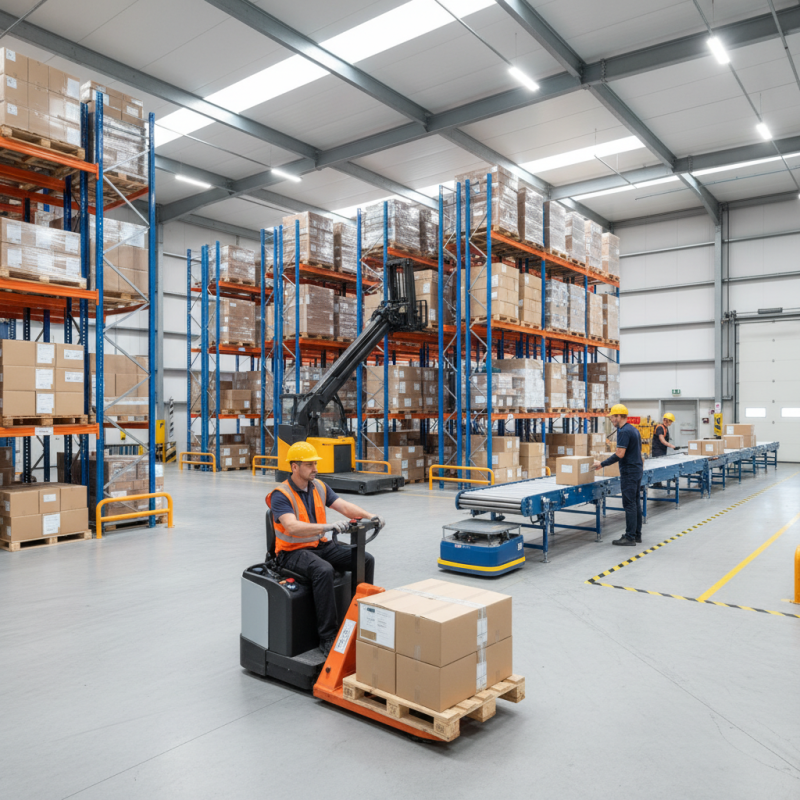
Understanding your material handling needs is crucial before selecting the right equipment. Start by assessing your specific requirements. Consider the types of materials you handle. Are they heavy, fragile, or hazardous? Each category demands different solutions. Analyze your workflow as well. How often do you move materials? Frequent movements might require more robust equipment.
Space is another critical factor. Measure your workspace accurately. If your area is tight, compact solutions like pallet jacks might be ideal. Sometimes, large machinery can be wasteful in small spaces. Additionally, think about your staff's expertise. Are they trained to use complex machines? If not, simpler options might be safer.
Reflect on your budget as well. High-quality equipment often comes at a cost. However, investing in reliable tools can save you money in the long run. Prioritize durability and maintenance over initial price. It’s a balancing act. Focus on efficiency without sacrificing safety. Taking the time to understand these aspects will lead you to better decisions.
How to Choose the Right Material Handling Equipment for Your Needs?
| Equipment Type |
Load Capacity (lbs) |
Best Use Case |
Key Features |
| Pallet Jack |
5,500 |
Moving Pallets |
Manual, Compact |
| Forklift |
12,000 |
Loading and Unloading |
Electric, Adjustable Forks |
| Conveyor System |
Varies |
Assembly Line |
Automated, High Efficiency |
| Stacker |
2,200 |
Vertical Storage |
Compact Design, Electric |
| Order Picker |
3,000 |
Picking Orders |
Ergonomic, Adjustable Platform |
Evaluating Different Types of Material Handling Equipment
Choosing the right material handling equipment can seem daunting. There are various types to consider. Forklifts, conveyor belts, and automated guided vehicles (AGVs) all serve different needs. According to the Material Handling Industry of America, over 70% of companies have adopted some form of automation in their material handling processes. This trend emphasizes the importance of selecting the right equipment.
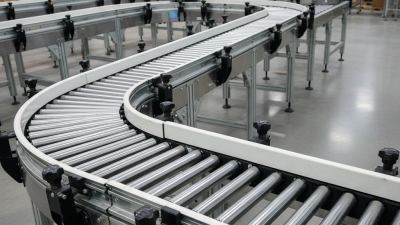
When evaluating equipment, it's essential to assess your warehouse layout and specific tasks. For example, narrow aisles may require reach trucks instead of standard forklifts. Conveyor systems are efficient but can be costly to install. Data shows that labor costs make up 65% of logistics expenses. Thus, investing in equipment that reduces these expenses may yield significant long-term savings.
However, the decision process can be flawed. Many companies fail to consider maintenance costs and equipment lifespan. A detailed evaluation of all expenses is often lacking. Each piece of equipment has its pros and cons. Balancing initial investment and return on investment (ROI) is crucial. Use industry reports to guide your choices, but remember that every operation is unique.
Assessing Load Capacity and Weight Requirements
When selecting material handling equipment, assessing load capacity and weight requirements is critical. Many companies overlook this step, leading to costly inefficiencies. A study by the Material Handling Industry of America (MHIA) indicates that nearly 35% of warehouse accidents arise due to improper load handling. This staggering figure highlights the importance of understanding both the weight of your materials and the ability of your equipment to manage that load effectively.
Consider the actual weight of the items you handle. Equipment must not only match but exceed these requirements. For instance, if your loads frequently weigh around 1,500 pounds, opting for a device rated for 2,000 pounds is wise. This provides a safety buffer, enhancing overall operation. A miscalculation here could lead to equipment failure or worker injuries. According to the American Society of Safety Professionals (ASSP), the proper choice of equipment can reduce workplace injuries by 25%.
However, performance metrics can be misleading. A machine may boast high load ratings, but sluggish operation can hinder productivity. It's vital to balance capacity with efficiency. Fluid handling, for instance, can slow if equipment cannot manage weight and speed simultaneously. Finding equipment that meets these shifting needs is often a complex puzzle, requiring ongoing evaluation as workloads change.
Material Handling Equipment Load Capacity Assessment
This chart evaluates the suggested load capacities of various types of material handling equipment based on industry standards.
Considering Ergonomics and Safety Features
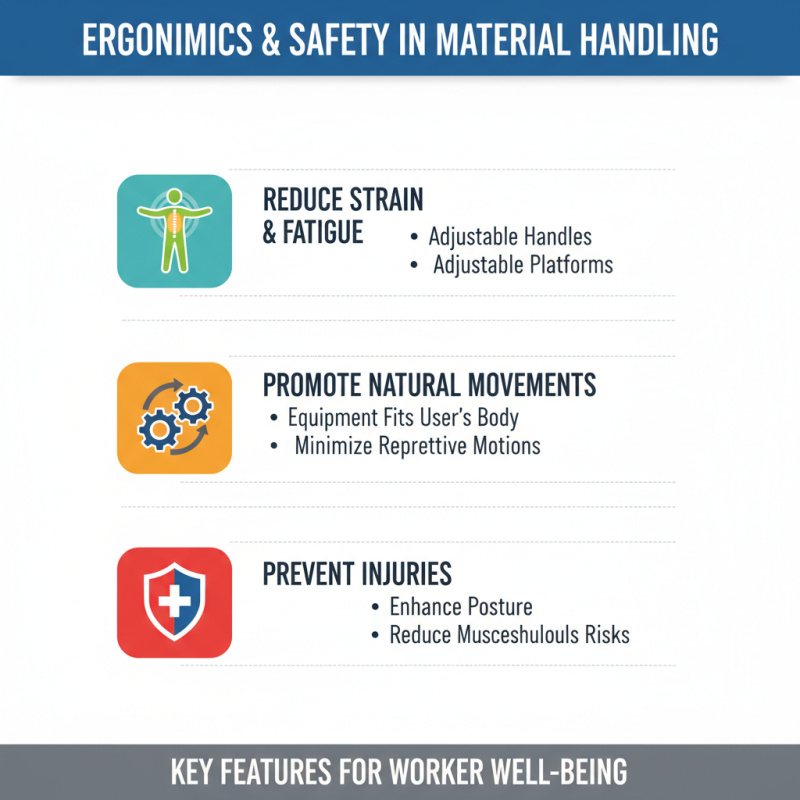
When selecting material handling equipment, ergonomics and safety must be top priorities. Equipment should fit the user’s body, reducing strain during tasks. For instance, adjustable handles and platforms can help workers maintain good posture, minimizing fatigue. Look for features that promote natural movements. This reduces the risk of injuries.
Safety features are equally essential. Consider options like emergency stops and safety guards. These can prevent accidents in high-risk environments. Yet, sometimes, manufacturers might overlook these features to cut costs. It’s crucial to question whether the equipment compromises user safety for budget. Maintenance checks are also vital to ensure safety features are always functional. Regular inspections can help identify potential issues before they escalate.
Choosing the right equipment means balancing functionality with these critical factors. Make sure your choice supports both worker efficiency and well-being. Listen to feedback from users. Their experiences can highlight areas needing improvement. Strive for an environment where ergonomics and safety are never an afterthought.
Budgeting and Cost Analysis for Equipment Selection
When selecting material handling equipment, budgeting plays a crucial role. Start by defining your budget clearly. Consider not just the initial costs but also long-term expenses. Maintenance, energy use, and potential repairs add up over time. Unexpected breakdowns can derail your workflow.
Next, analyze the total cost of ownership. This includes training costs for employees. New equipment often requires skill development. Engage with your team to understand their needs and capabilities. This can save you from costly mistakes later. Remember, an expensive piece of equipment might not always be the best choice.
Finally, think about your specific requirements. Does the equipment meet current needs? Will it adapt as your business grows? Avoid rushing into decisions. Misalignment with operational goals can lead to wasted resources. Reflect on what truly enhances efficiency and productivity in your operations.