How to Choose the Right Small Conveyor Belt for Your Business Needs?
Selecting the right small conveyor belt can significantly affect your business operations. A well-chosen conveyor improves efficiency and productivity. It is essential to assess your specific needs before making a decision.
When evaluating options, consider the materials you will transport. Different products require different belt designs. For heavier items, a robust belt is necessary. Additionally, think about the environment where the conveyor will operate. Will it be exposed to moisture or extreme temperatures? These factors can influence the lifespan of your small conveyor belt.
It's also important to reflect on your budget. While quality matters, some options may be overpriced for your application. Sometimes, cheaper alternatives fulfill your requirements just as well. Don't hesitate to consult experts or do thorough research. Taking these steps can ensure you choose the best small conveyor belt for your business.
Understanding the Different Types of Small Conveyor Belts Available
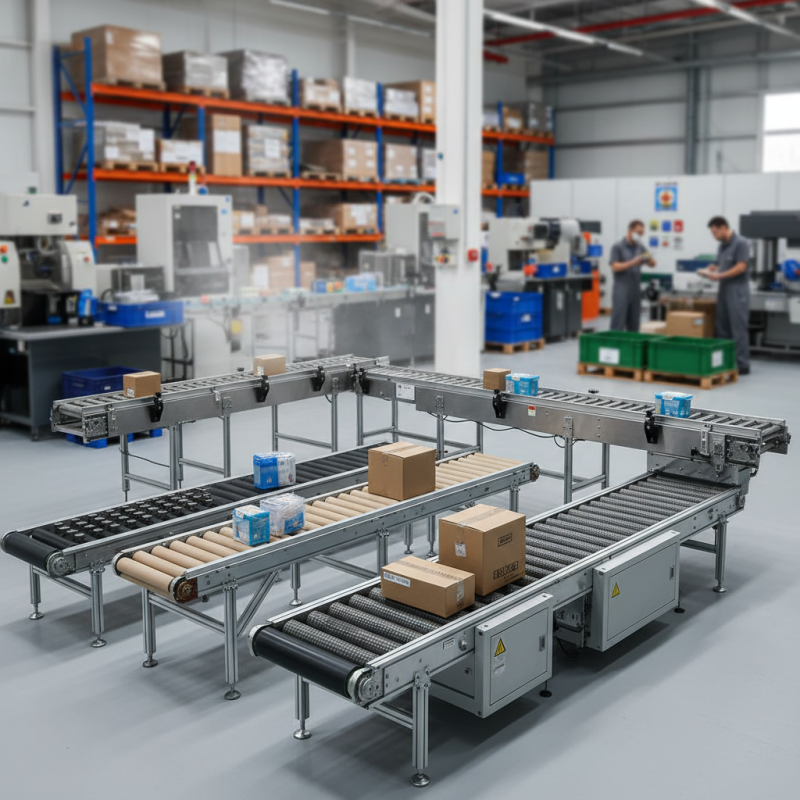
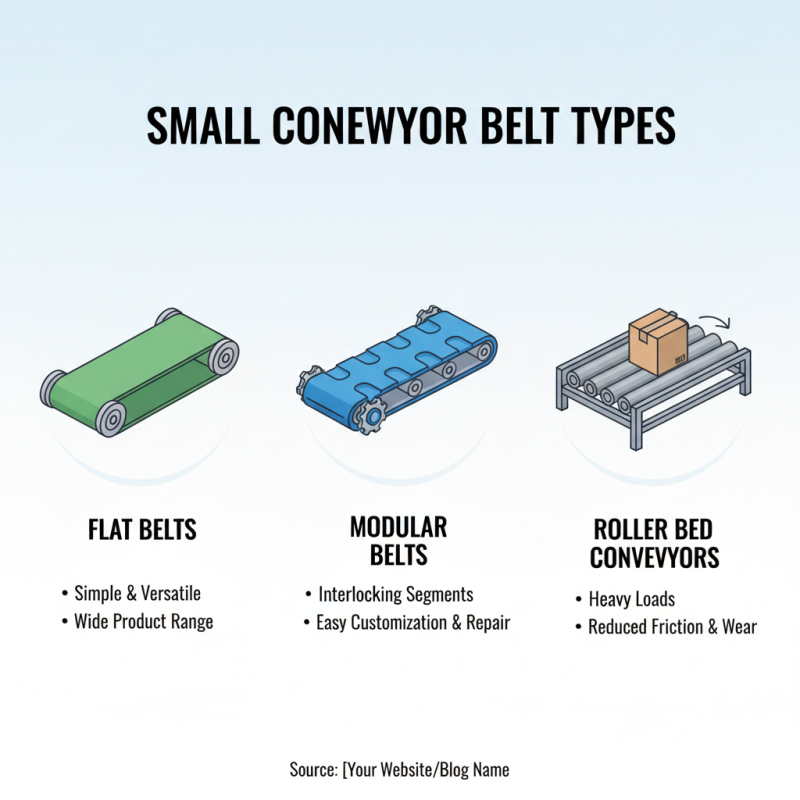
When selecting a small conveyor belt, it's crucial to understand the various types available. The most common types include flat belts, modular belts, and roller bed conveyors. Flat belts are simple and versatile, ideal for a range of products. Modular belts, made of interlocking segments, allow for easy customization and repair. Roller bed conveyors work well for heavy loads, reducing friction and wear.
**Tip:** Evaluate the materials you will transport. Different belts suit different products. If you're carrying food items, choose belts that are easy to clean and resistant to contamination.
It's also important to consider the belt width and length. Many businesses overlook the size, assuming one standard size fits all. Measure your workspace and product dimensions carefully before deciding. A mismatched size could hinder your operations.
**Tip:** Think about scalability. If you plan to grow, choose a versatile conveyor solution. It’s better to invest in a system that can adapt to your changing needs. Make a list of your requirements, and revisit it often. This will help you stay focused on your operational goals.
Assessing Your Business Needs and Requirements for Conveyor Belts
Assessing your business needs for a conveyor belt can be challenging. Start by considering the weight and size of the items you need to transport. A small conveyor belt may seem like the perfect solution, but if your products are heavy or bulky, it may not perform well. Durability is key. Investing in a robust design can save you from future problems.
Next, think about the environment where the conveyor will operate. Will it be exposed to dust, humidity, or chemicals? These factors can impact the longevity and efficiency of your equipment. You might realize that a standard conveyor won't suffice, prompting a need for customization.
Lastly, evaluate your workflow. A small conveyor belt must fit seamlessly into your existing operations. Examine your space for obstructions and layout challenges. You may have a vision, but practical obstacles often come into play. Consider whether the conveyor will enhance productivity. Reflect on potential bottlenecks and how a new belt may help or hinder your process. It’s a balancing act between ideal and realistic scenarios.
Evaluating the Material and Durability of Conveyor Belt Options
When selecting a small conveyor belt, evaluating material and durability is vital. Various industries demand different performance levels. According to a recent industry report, approximately 70% of conveyor belt failures result from inadequate material selection. Common materials include rubber, plastic, and metal. Each has distinct advantages and limitations.
Rubber belts offer flexibility and high resistance to wear, making them suitable for heavy loads. However, they may degrade faster in harsh environments. Plastic belts, on the other hand, provide durability and resistance to chemicals. Their lightweight nature can improve efficiency. Yet, they might lack the same load-bearing capacity as rubber.
Durability testing is essential. A study indicates that belts exposed to extreme temperatures can fail within weeks. Ensuring belts withstand your specific operational conditions is crucial. Routine inspections should focus on signs of wear or damage. Remember, even the best materials can falter without proper maintenance. It’s a constant challenge to balance cost, performance, and lifespan.
How to Choose the Right Small Conveyor Belt for Your Business Needs?
Considering Space and Layout for Conveyor Belt Installation
When installing a small conveyor belt, consider your available space. Assessing dimensions is crucial. Measure the width, length, and height of the area. This helps you avoid unexpected hassles during installation. Too often, businesses underestimate the space needed for equipment. A cramped setup can lead to inefficiencies.
Tips: Pay attention to the layout. Is there enough space for maintenance? A tight fit can cause issues later. Ensure there’s room for easy access. Plan for the conveyor’s path. It should flow smoothly without obstacles. This can improve overall productivity.
Also, consider the existing workflow. A conveyor belt should integrate seamlessly. Reflect on the current process and identify areas to improve. You might need to make adjustments to accommodate the new system. Sometimes, this means rearranging other equipment too. Gathering input from staff can highlight potential challenges. Their insights can prove invaluable for a successful installation.
Budgeting and Cost Considerations for Small Conveyor Belt Systems
When budgeting for a small conveyor belt system, it’s essential to consider both upfront costs and long-term expenses. Price can vary significantly depending on size and features. Make a list of your specific needs. This helps in finding a system that matches your budget. Don’t forget to factor in installation costs. Sometimes, these can surprise you.
Tips: Get multiple quotes. Reach out to different suppliers. This helps you understand the market and find the best deal. Also, ask about warranties and maintenance plans. Long-term costs can be lower if these are included.
Think about energy efficiency as well. A cost-effective conveyor belt saves money on electricity. It might have a higher initial price but can pay off over time.
Lastly, reflect on your expected workload. If demand increases, will your conveyor system meet those needs? Investing in a scalable solution can prevent future expenses. Keep your options flexible for better financial management.