Choosing the right types of packaging machines in 2026 requires more than comparing prices and production speeds. It demands a clear view of products, materials, operators, and future market changes. A machine that performs well for dry snacks may struggle with sticky sauces, fragile produce, or recycled films.
In real production environments, small details often decide success. A powder filler may leave dust around seals. A pouch machine may need frequent format changes. A cartoner may occupy more floor space than expected. These issues affect waste, labor, maintenance, and delivery schedules. They should be measured before purchasing equipment.
No machine is perfect.
The most reliable selection process begins with verified production data. Consider package dimensions, target output, filling accuracy, sealing requirements, cleaning routines, and available utilities. Review demonstrations using the actual product and packaging materials. Ask suppliers about changeover time, spare parts, training, and service response. Independent testing and documented performance claims can reduce avoidable risks.
Automation, vision inspection, robotics, and digital monitoring will shape packaging operations in 2026. However, advanced features are not automatically valuable. A smaller company may gain more from quick cleaning and simple controls than from complex software. This is where many buying guides oversimplify the decision. The best choice depends on practical constraints, not fashionable specifications.
This guide examines common machine categories and their real-world applications. It also highlights overlooked costs, compatibility concerns, and questions worth asking before signing a purchase agreement. Careful reflection matters. A fast machine that creates unstable seals is not truly efficient.
Choosing packaging equipment starts with product facts, not machine catalogs. Record dimensions, weight, temperature, moisture, fragility, and surface behavior. Powdery goods may need auger dosing, while liquids often require piston or flow-meter filling. A sticky product can defeat a beautiful specification. Test real samples, including damaged or uneven units. This is where experience matters.
Define packaging goals in measurable terms. Set target speed, seal strength, appearance, material use, changeover time, and acceptable waste. If the package must protect delicate contents during a one-meter drop, say so. If operators change formats twice daily, calculate that labor. Choose vertical form-fill-seal equipment for flexible film and compact footprints. Consider premade-pouch systems when presentation and repeatable sealing matter more than maximum speed. The fastest option may not be the best option.
Production requirements complete the decision. Measure floor space, electrical supply, compressed air, cleaning access, staffing, and future volume. A machine rated for 120 packs per minute may produce far less with frequent size changes. Request trial runs using your film, product, and intended pack size. Review speed data, reject rates, maintenance intervals, and operator safety records. Do not trust a polished demonstration alone. Leave capacity headroom when possible, although this can increase initial cost. That trade-off deserves a documented calculation, not optimism.
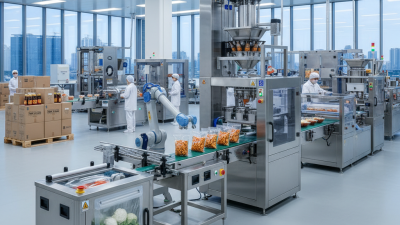
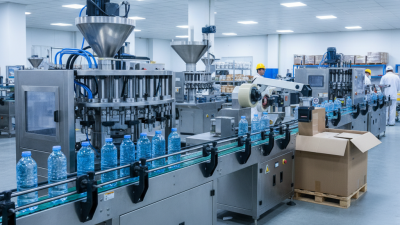
Packaging machines should match both the product function and the package format. Vertical form-fill-seal machines suit powders, snacks, and granules in flexible bags. Horizontal machines work better for bars, trays, and regularly shaped products. For liquids, piston fillers or pump systems provide more controlled dosing. Bottle lines need filling, capping, and labeling equipment that works as one process.
Package format changes the equipment choice. Premade pouch machines offer consistent sealing and attractive presentation, but they usually require higher material handling precision. Cartoning machines fit boxes, while case packers prepare larger shipping units. Weighing systems support free-flowing products, whereas auger fillers handle many powders. I have seen projects fail because teams selected speed before checking seal strength, product dust, or container variation.
Tips: Test real product samples, not substitutes. Measure the package opening and sealing area carefully. Ask suppliers for cycle data under realistic conditions. Check cleaning access, changeover time, and operator training needs. A machine that runs quickly may still waste material during adjustment. Also, leave room for future formats. A neat spreadsheet is not enough; floor space, maintenance skill, and daily production habits can change the final decision.
Choosing packaging machine types in 2026 starts with measured production needs, not a catalog speed. During line assessments, I compare target packs per minute with actual hourly demand. A machine rated at 120 packs per minute may deliver less after sealing, refilling, cleaning, and changeovers. Set a realistic operating rate, then leave controlled headroom. Too much speed can create unstable seals and more rejected packs. A faster machine is not always better.
Material behavior decides the machine design. Thin film may wrinkle under high tension. Recycled or laminated film can require different sealing temperatures and dwell times. Test the exact roll, pouch size, and product density before approving equipment. Measure the waste. For powders, check dust control and auger accuracy. For liquids, confirm pump range and drip management. For fragile pieces, gentle conveyors matter more than maximum speed.
Match capacity to floor space, labor, and future volume. A larger hopper and wider conveyor can reduce refilling, but they also increase cleaning time and energy use. Specify changeover targets between pouch sizes, then verify them with operators. Ask for recorded test data, not only brochure figures. I would also challenge my initial estimate; demand forecasts can be wrong. A short factory trial often reveals feeding gaps, awkward access points, and settings that look simple but are not. Keep operators involved. Choose controls that display speed, temperature, alarms, and rejected counts clearly.
| Machine Type | Typical Output Range | Suitable Product Capacity | Common Packaging Materials | Best Application | Key Specification to Check | Main Limitation |
|---|---|---|---|---|---|---|
| Vertical Form-Fill-Seal Machine | 20–120 bags/min | Approximately 10 g–5 kg per bag | Plastic laminate, polyethylene, polypropylene, recyclable mono-material film | Powders, grains, snacks, pet food, detergents, and free-flowing products | Film width, bag length, sealing temperature, dosing system, and product flowability | Irregular or fragile products may require specialized feeding and sealing control |
| Horizontal Form-Fill-Seal Machine | 30–300 packs/min | Small to medium products, typically up to 1–2 kg | Polypropylene, polyethylene, laminates, paper-based coated film | Bakery goods, bars, soap, hardware, medical items, and individual portions | Jaw configuration, film tracking, sealing width, cutting accuracy, and product pitch | Limited suitability for large or highly variable product dimensions |
| Premade Pouch Packing Machine | 15–80 pouches/min | Approximately 50 g–2 kg per pouch | Stand-up pouches, flat pouches, spouted pouches, laminated films, recyclable films | Sauces, cosmetics, snacks, ready-to-eat foods, pet products, and liquid or viscous goods | Pouch dimensions, zipper or spout handling, filling accuracy, and pouch opening reliability | Premade pouch costs are generally higher than roll-film packaging costs |
| Multihead Weigher System | 30–180 weighments/min | Typically 10 g–5 kg per finished pack | Used with film bags, pouches, trays, jars, or containers | Snacks, frozen foods, confectionery, produce, and other free-flowing products | Number of weigh heads, target weight, product stickiness, drop height, and accuracy | Not ideal for highly sticky, liquid, or poorly flowing products without modifications |
| Liquid and Paste Filler | 10–120 containers/min | Approximately 10 ml–5 L per container | Plastic or glass bottles, jars, cups, tubes, and pouches | Beverages, sauces, oils, creams, detergents, and personal-care products | Filling principle, viscosity range, nozzle count, accuracy, foaming behavior, and cleanability | Product temperature and viscosity changes can affect filling accuracy |
| Cartoning Machine | 20–200 cartons/min | Small to medium retail products | Folding cartons made from paperboard, commonly about 250–600 gsm | Pharmaceuticals, food products, cosmetics, household goods, and consumer items | Carton dimensions, tuck style, product infeed method, leaflet insertion, and carton board quality | Requires consistent carton blanks and stable product presentation |
| Case Packer | 5–40 cases/min | Multiple retail packs per shipping case | Corrugated fiberboard cases, trays, wraparound blanks, and corrugated partitions | Bottles, cans, cartons, pouches, and cases for warehouse distribution | Case size, pack pattern, product orientation, compression strength, and changeover time | Floor space and infeed consistency become important at high speeds |
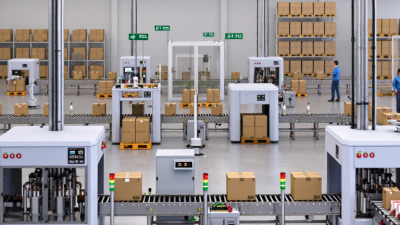
| Palletizing System | 10–80 cases/min | Cases, bags, trays, or containers on pallets | Corrugated cases, woven bags, plastic-wrapped bundles, and stretch film | End-of-line handling for food, beverage, chemical, and consumer-goods production | Payload, pallet pattern, layer height, conveyor speed, robot reach, and safety requirements | Needs coordinated conveyors, guarding, pallet supply, and downstream handling |
Selection note: The output figures are typical engineering ranges rather than guaranteed production rates. Actual performance depends on product characteristics, package size, material properties, filling accuracy, machine configuration, operator skill, and required changeover frequency.
Evaluate Automation, Flexibility, Safety, and Integration Options
Choosing a packaging machine starts with the product, production volume, and operator workload. Automation should reduce repetitive handling without creating difficult maintenance tasks. Check cycle speed, sensor accuracy, alarm clarity, and remote diagnostic options. A fast machine is not useful when minor faults stop the entire line.
Flexibility matters when package sizes or materials change frequently. Look for tool-free adjustments, recipe storage, and quick changeover parts. During a real changeover, operators may handle film rolls, guides, and sealing settings under time pressure. Small design details can save minutes. Sometimes, promised flexibility feels impressive in demonstrations but less practical on the factory floor.
Safety must be built into the machine, not added later. Inspect guarding, emergency stops, access-door interlocks, and safe cleaning procedures. Ask for documented risk assessments and operator training records. Integration also deserves close attention. The machine should exchange reliable data with production planning, quality systems, and maintenance platforms. Confirm communication standards, data ownership, and cybersecurity controls before signing. I have seen teams focus heavily on output rates and overlook integration testing. That mistake can create manual data entry, unclear downtime records, and costly delays. A factory acceptance test using real packaging materials provides stronger evidence than a sales presentation.
Choosing the right packaging machine in 2026 requires more than comparing purchase prices. A low-cost unit may appear attractive, yet frequent stoppages can consume that saving within months. Evaluate total ownership cost, including energy use, maintenance, film waste, changeover time, and operator training. Ask suppliers for realistic output data, not only ideal laboratory figures.
Support quality can decide whether a machine protects or disrupts production. Confirm response times, technician availability, spare-parts storage, and remote troubleshooting procedures. A useful test is simple: ask who will answer at 2 a.m. during an unexpected fault. Request service terms in writing. Also check whether operators receive practical training with real materials and actual product sizes.
Future growth needs careful planning. Select equipment that can handle moderate speed increases, additional formats, and compatible inspection or labeling modules. Modular systems often cost more initially, but they may reduce replacement costs later. Still, expansion is not automatically wise. An oversized machine can waste floor space, energy, and capital when demand remains uncertain. Review sales forecasts, production records, and planned product changes before deciding. I have seen teams focus heavily on speed, then struggle with complicated adjustments and expensive downtime. The best choice balances present reliability with realistic growth, not optimistic promises.