Top 10 Cooling Tower Tips for Optimal Performance?
cooling towers play a crucial role in industrial operations and HVAC systems. According to the U.S. Department of Energy, these systems can account for 20% of a facility's energy consumption. Proper maintenance can enhance efficiency and extend the life of a cooling tower. Yet, many facilities overlook basic upkeep tasks.
Operators often face challenges due to corroded components and inefficient water treatment. Reports indicate that up to 30% of cooling towers operate below optimal performance standards. Companies often underestimate the impact of proper ventilation and regular cleaning. Small lapses in maintenance can lead to extensive downtime or costly repairs.
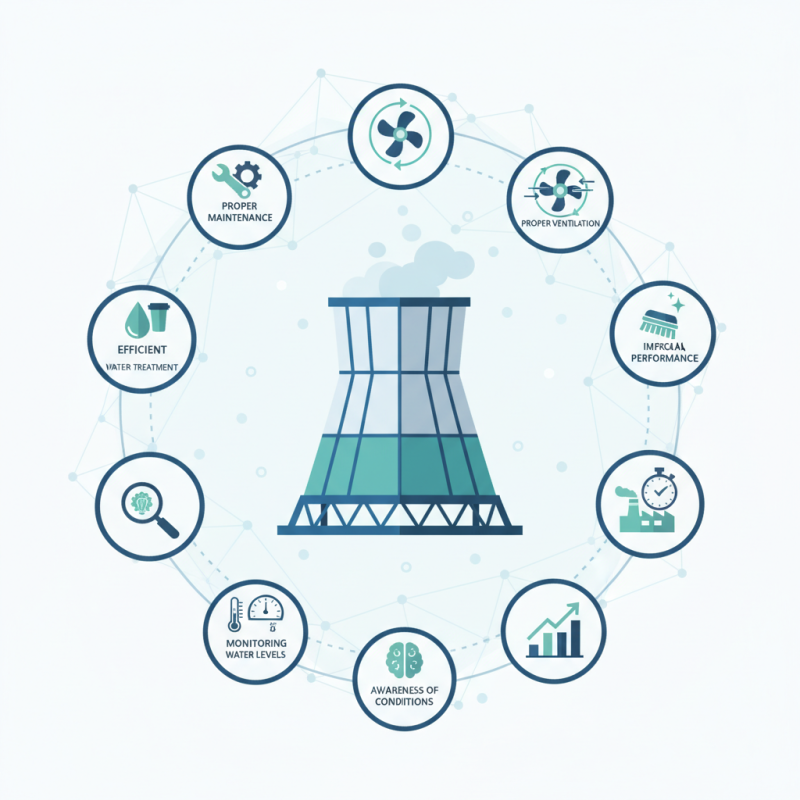
Effective cooling tower management can improve thermal performance. Regular inspections are vital. Small actions like monitoring water levels can produce significant results. Awareness of operating conditions is essential. Every facility should reflect on these aspects for better efficiency and sustainability.
Essential Maintenance Practices for Cooling Towers
Cooling towers are essential for maintaining optimal performance in various industrial processes. Proper maintenance is crucial. Data from industry reports indicate that neglected cooling towers can lead to a 20% reduction in efficiency. Regular inspections help identify issues early, resulting in lower operational costs.
Routine cleaning is vital. It prevents scale buildup, which can impact heat exchange. A study highlighted that 30% of cooling tower failures are due to inadequate maintenance. Cleaning microbes and sediments enhances performance. Operators should consider treating water bi-weekly to prevent microbial growth.
While many facilities follow basic guidelines, some overlook the details. For example, monitoring water levels is often forgotten. Improper levels can lead to pump strain and increased energy use. Utilizing simple tools like flow meters can improve accuracy. It's essential to strive for a balance between performance and maintenance frequency. Remember, missing these details may lead to costly repairs down the line.
Understanding the Importance of Water Quality in Cooling Systems
Water quality plays a crucial role in the performance of cooling systems. Poor water quality can lead to various issues, including scale buildup, corrosion, and biological growth. These problems can severely impact the efficiency of cooling towers. The right balance of chemicals is vital to maintain this quality. Regular testing of water samples is necessary to keep track of these levels.
It’s essential to monitor pH levels, hardness, and alkalinity. Neglecting this aspect may lead to over-treatment or under-treatment. Both scenarios can create long-term issues that are costly and complicated to fix. Additionally, maintaining clarity in water helps reduce microbial growth. If not addressed, this can lead to health concerns.
Ensuring the right water quality is more than just a checklist item. It requires ongoing oversight and commitment. Owners must be proactive, not reactive. A small lapse in water management can lead to larger problems down the line. It's crucial to remember that a cooling tower is only as effective as the water it uses. Regular maintenance should include a detailed review of water conditions to ensure operational excellence.
Top 10 Cooling Tower Tips for Optimal Performance
Optimizing Airflow and Fan Efficiency in Cooling Towers
Optimizing airflow and fan efficiency in cooling towers is crucial for enhancing overall performance. Research indicates that over 30% of operational energy can be wasted due to poor airflow patterns. Regular inspections help identify airflow obstructions. Simple adjustments, like removing debris and ensuring proper fan pitch, can significantly improve airflow.
Fan efficiency also plays a pivotal role. According to the Cooling Technology Institute, efficiency losses in improperly maintained fans can reach up to 50%. This highlights the importance of routine maintenance checks. Keeping fan blades clean and checking for alignment ensures optimal performance. Additionally, adding variable speed drives can adjust fan speeds based on cooling demand, improving energy savings.
It's easy to overlook small details. However, neglecting them can lead to significant performance drops. For instance, the interaction between fan size and tower size can create imbalances. This can disrupt intended airflow. A thorough understanding of each cooling tower's unique requirements can lead to a more effective cooling system. Engaging in ongoing evaluation will help in making necessary adjustments in real-time.
Identifying Common Cooling Tower Issues and Their Solutions
Cooling towers play a crucial role in industrial cooling systems. However, they often encounter performance issues. Understanding these challenges is essential for maintaining efficiency. According to a recent report, nearly 30% of cooling towers function below optimal performance levels. This can lead to increased energy consumption and higher operational costs.
Common issues include scale buildup and biological growth. Scale can reduce heat transfer efficiency, impacting system performance. Implementing regular cleaning protocols can mitigate this problem. In fact, data shows that routine maintenance can enhance cooling tower efficiency by up to 15%. On the other hand, biological growth can lead to corrosion and fouling. Utilizing biocides and proper water treatment methods can help control this issue.
Another concern is air flow restriction. Debris and improper fan operation can hinder air movement. This impacts overall cooling efficiency. Regular inspections are vital in identifying these issues. Surprisingly, many facilities neglect maintenance until problems arise, resulting in costly repairs. Investing time in proactive measures can save money and extend the lifespan of cooling towers.
Best Practices for Seasonal Shutdown and Restart Procedures
Effective seasonal shutdown and restart procedures are vital for cooling tower performance. According to the American Society of Heating, Refrigerating and Air-Conditioning Engineers (ASHRAE), improper shutdown can lead to corrosion and fouling, which may compromise efficiency. Regularly scheduled maintenance during these phases can enhance longevity.
During shutdown, it’s crucial to drain the tower completely. Residual water can freeze and cause damage in winter. Additionally, clean the fill material and check for debris. A report by the Cooling Technology Institute indicates that 30% of cooling system failures stem from poor maintenance practices.
When restarting, inspect the entire system for any signs of wear. Ensure all components are free from blockages and leaks. If the tower hasn’t been used for a while, perform a thorough water treatment analysis. Bacteria can thrive during inactivity, leading to potential health risks. Monitoring chemical levels is essential for a safe restart. These practices help maintain not just performance but also overall safety in operations.