Top 10 Tips for Choosing the Right Bottle Filling Machine?
Choosing the right bottle filling machine can be a daunting task. With so many options available, it’s crucial to understand key factors to make an informed decision. According to industry expert John Smith, “A well-chosen bottle filling machine can significantly boost your production efficiency.” This statement underscores the importance of selecting the right equipment.
When evaluating bottle filling machines, consider your specific needs. Think about the types of bottles, the filling speed, and the level of automation you require. Reliability is key; a machine that frequently malfunctions can lead to costly downtime. Additionally, ensure the supplier offers solid customer support. This will help address any issues that arise during operation.
It's vital to balance cost with quality. Sometimes, a cheaper machine may not deliver the performance you need. In contrast, a high-end model might exceed your budget without justifying the additional cost. Reflect on what features are essential for your operations. Don't overlook the importance of user-friendly designs, which can impact your team's efficiency and comfort.
Understanding Your Filling Requirements and Product Characteristics
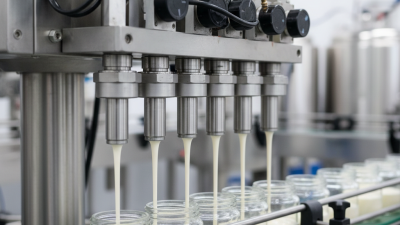
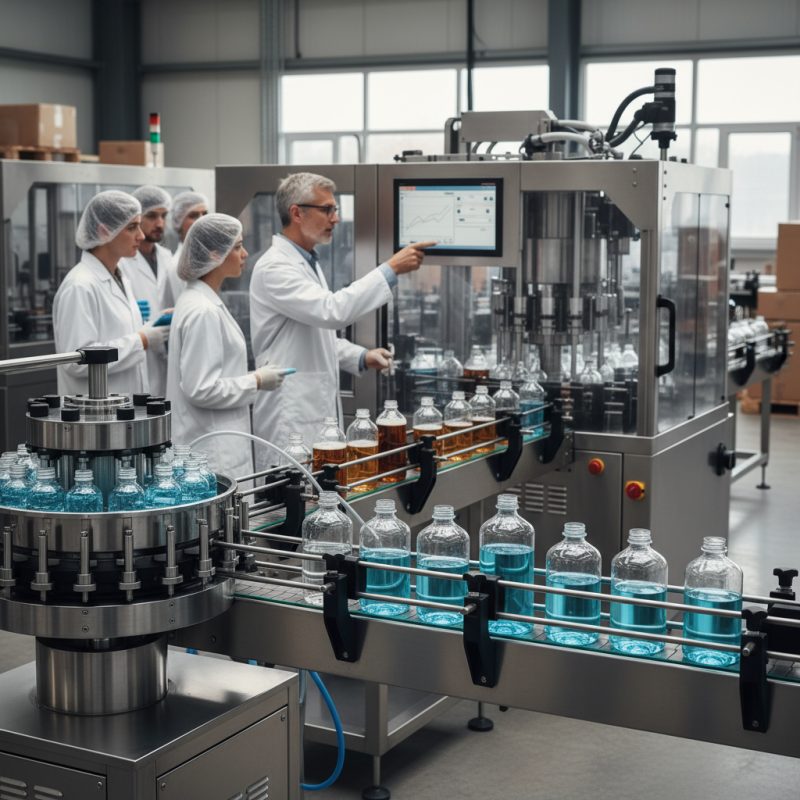
When selecting a bottle filling machine, it is crucial to understand your filling requirements and the characteristics of your product. Different types of liquids require specific handling. For instance, viscous products need machines with appropriate pumping systems. Understanding viscosity will help avoid filling errors and product waste.
The type of bottle also matters. Glass, plastic, and metal bottles each interact differently with filling machines. Machines must accommodate the physical properties of the container to prevent damage. Additionally, consider the environment. Temperature variations can affect the filling process. Cold liquids may behave differently than hot ones, leading to misalignment or incorrect fill levels.
Product safety and hygiene are non-negotiable. Knowing the ingredients in your product will determine what materials are safe for contact. It’s essential to select machines that comply with health standards. Reflecting on previous experiences can reveal common mistakes. Take time to review your product attributes carefully. This attention to detail can significantly enhance efficiency and quality in your production line.
Top 10 Tips for Choosing the Right Bottle Filling Machine
Evaluating Different Types of Bottle Filling Machines Available
When evaluating different types of bottle filling machines, understanding their unique functionalities is crucial. Many industries rely on liquid packaging. According to a recent industry report, the global bottle filling machinery market is projected to grow at a CAGR of 4.8% from 2021 to 2028. This indicates rising demand for efficient and reliable machines.
One major type is the gravity filler. These fill containers using gravity and are generally best for thin liquids. Another option is the pressure filler. This is suitable for thicker products. Industry professionals often recommend considering the viscosity of your product.
Choosing the right machine involves more than just specifications. Think about versatility. Machines that can handle multiple bottle sizes can save time and costs. Additionally, maintenance is key. Look for machines with straightforward maintenance routines. Regular checks keep machines running smoothly.
Remember, selecting a bottle filling machine is a long-term investment. The wrong choice may lead to inefficiencies and increased downtime. Real-world experiences often highlight the importance of trial runs before committing. Testing the machine with actual products can offer valuable insights.
Assessing Production Speed and Efficiency Needs
When choosing a bottle filling machine, understanding production speed and efficiency is crucial. Analyze your current output requirements. Determine how many bottles you need to fill per hour. Different machines offer varying speeds, so select one that matches your goals. If you produce 1,000 bottles daily, ensure the machine supports that volume without delays.
Consider the operational efficiency of the machine. A faster filling speed doesn't always equal better efficiency. Check how the machine handles bottle size changes or product viscosity. Flexibility can enhance productivity. Regular maintenance is vital for sustained performance, but some machines may need more care. This factor can impact your decision.
Evaluate user experiences and feedback on speed and efficiency. Real-world insights provide clarity on performance. Some machines may promise high speeds but fall short in practice. Watch out for maintenance issues that can slow down operations. Assessing these elements will guide you to a reliable choice that meets your production needs.
Top 10 Tips for Choosing the Right Bottle Filling Machine
| Tip Number |
Tip Description |
Consideration Factor |
Production Speed (Bottles/Hour) |
Efficiency (%) |
| 1 |
Assess production volume needs |
High demand or low demand |
800 |
90 |
| 2 |
Evaluate the filling accuracy required |
Critical for product quality |
600 |
95 |
| 3 |
Study different types of filling machines |
Gravity, pressure, vacuum, etc. |
750 |
85 |
| 4 |
Check for compatibility with bottle types |
Material and shape |
700 |
88 |
| 5 |
Consider automation level required |
Manual vs automatic systems |
900 |
92 |
| 6 |
Review maintenance and service requirements |
Downtime concerns |
650 |
87 |
| 7 |
Determine the budget range |
Initial costs vs long-term savings |
800 |
89 |
| 8 |
Look for energy efficiency features |
Eco-friendly options |
700 |
91 |
| 9 |
Assess the space requirements |
Footprint and layout constraints |
850 |
90 |
| 10 |
Seek user reviews and testimonials |
Reliability feedback |
750 |
93 |
Considering Budget Constraints and Overall Cost of Ownership
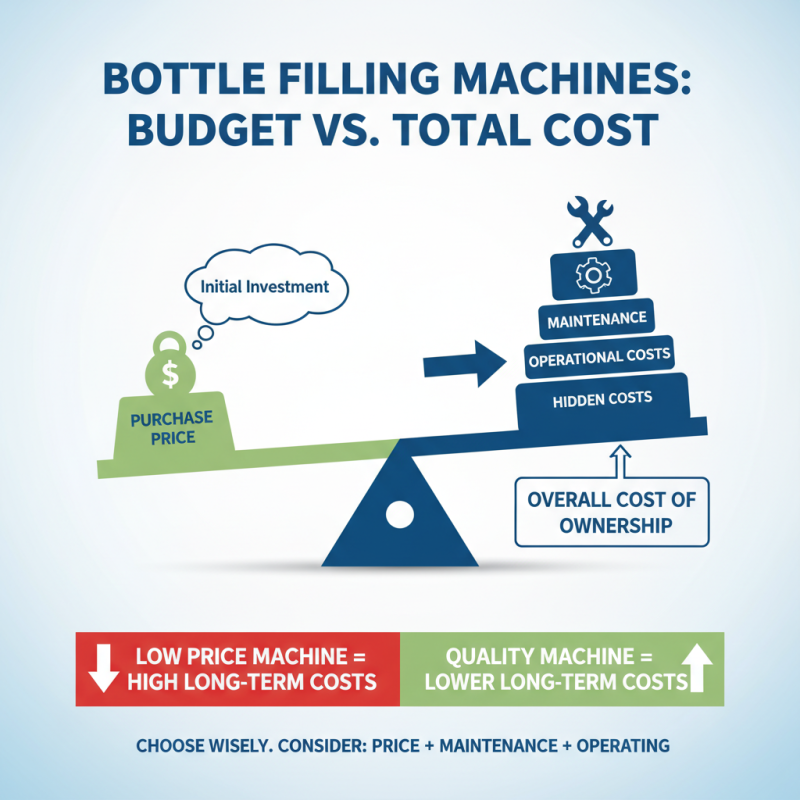
Choosing the right bottle filling machine is crucial for any production line. When considering budget constraints, it’s important to evaluate the overall cost of ownership. This encompasses purchase price, maintenance, and operational costs. Sometimes an inexpensive machine may seem like a good deal, but hidden costs can accumulate over time.
One tip is to assess the machine's efficiency. An efficient filling machine can save time and reduce labor costs. If your production demands grow, a more robust machine may ultimately be more cost-effective. Consider the required output before making a decision.
Another important point is to investigate the availability of spare parts. Machines with easily accessible components can save money on repairs. Dust and wear can cause unexpected downtime. Choose a machine that not only fits within your initial budget but also provides long-term reliability in parts and service. Balancing these aspects requires careful consideration, as cutting corners can lead to bigger expenses down the road.
Examining Maintenance and Support Options for Longevity
When selecting a bottle filling machine, maintenance and support options play a crucial role. Regular maintenance ensures that the machine runs efficiently over time. A reliable maintenance schedule can help identify issues before they escalate. This proactive approach reduces unexpected downtimes and costly repairs.
Consider the accessibility of support options. Is there a dedicated team for assistance? Fast response times can minimize production halts. Moreover, review available training programs for operators. Well-trained staff can enhance efficiency and machine longevity. Every machine may require different upkeep practices, so knowing these specifics is essential.
Reflect on the availability of replacement parts. Machines with readily available parts tend to have longer lifespans. If components are hard to source, repairs could take longer. Think about the machine's complexity as well. Simpler designs often lead to fewer issues. Yet, they might lack advanced features. Balancing complexity and reliability is key in your choice.