Top 5 Tips for Choosing Packaging Automation Equipment?
In the dynamic world of packaging automation equipment, making informed decisions is crucial. Experts like James Anderson, a leading figure in packaging technology, emphasize the importance of selection. He once said, "The right equipment can redefine efficiency."
Choosing the right automation solutions can be daunting. Numerous options are available, each promising faster output and lower costs. However, it is essential to consider factors such as compatibility, scalability, and maintenance. What works for one business may not suit another. Brands must evaluate their specific needs thoroughly.
Understanding the long-term impact of these choices is vital. Investing in packaging automation equipment can lead to significant cost savings. Yet, improper selection can result in wasted resources and operational inefficiencies. Relying on expert insights and real-world experiences can illuminate the path forward. Ultimately, the most effective choice will enhance productivity and pave the way for future growth.

Understanding Your Packaging Needs and Goals
When selecting packaging automation equipment, understanding your specific packaging needs and goals is crucial. According to a 2022 industry report by Freedonia Group, companies that align equipment with their packaging requirements see efficiency improvements of up to 35%. Identifying your product types, sizes, and volume is the first step. Variations in dimensions can significantly affect equipment compatibility.
Defining production goals is equally important. For instance, if your target is to reduce labor costs, investing in fully automated systems may offer a better return. Statistics indicate that automation can reduce labor-related expenses by about 20%. It’s also wise to consider future scalability. Companies that anticipate growth should choose systems flexible enough to integrate new packaging styles without major overhauls.
However, navigating these choices isn't always straightforward. Many businesses underestimate how quickly technology evolves. Equipment purchased today might rapidly become outdated. Continuous assessment of both technological advancements and changing market demands is essential. A robust understanding of effective packaging systems can lead to smarter decisions and enhanced operational success.
Top 5 Tips for Choosing Packaging Automation Equipment
This bar chart illustrates the importance level of various factors when choosing packaging automation equipment. It emphasizes that production speed and budget are critical, while flexibility and maintenance also play significant roles in decision-making.
Evaluating Different Types of Packaging Automation Equipment
When evaluating different types of packaging automation equipment, it is crucial to consider the specific needs of your operation. Each type of equipment has distinct features, advantages, and limitations. For example, shrink wrap machines provide great versatility but may not suit delicate items. On the other hand, case packers efficiently handle bulk packages but can be more expensive and complex. Think about what products you package. The size, weight, and fragility play important roles in selecting equipment.
Another aspect to assess is the scalability of the equipment. As your business grows, your packaging needs will likely change. You should choose equipment that can adapt to increasing production volumes. Some machines offer customizable features or modular designs, making them more flexible. However, these options might involve a steeper learning curve. Intuitive interfaces help reduce training times but may lack advanced capabilities. Testing machinery before purchasing can reveal hidden complexities and necessary adjustments.
Lastly, always consider ongoing maintenance and support. Reliable equipment can minimize downtime, yet every system requires upkeep. Understanding the service options available for your chosen equipment is essential. Some types come with extensive warranties while others do not. Weigh these factors carefully. Balancing cost-effectiveness with operational efficiency is key in making the best decision for your business.
Assessing Budget and Cost-Effectiveness of Equipment Options
When it comes to selecting packaging automation equipment, assessing your budget is crucial. A clear budget guides your decision-making process. Understanding total costs, including installation and maintenance, is key to avoiding surprises. Balance your budget against the expected return on investment.
Consider the long-term cost-effectiveness of different options. Investing in high-quality equipment may seem expensive upfront but can save money over time. Look for versatile solutions that can adapt to various packaging needs. This adaptability can reduce the need for future purchases and temptations to overspend.
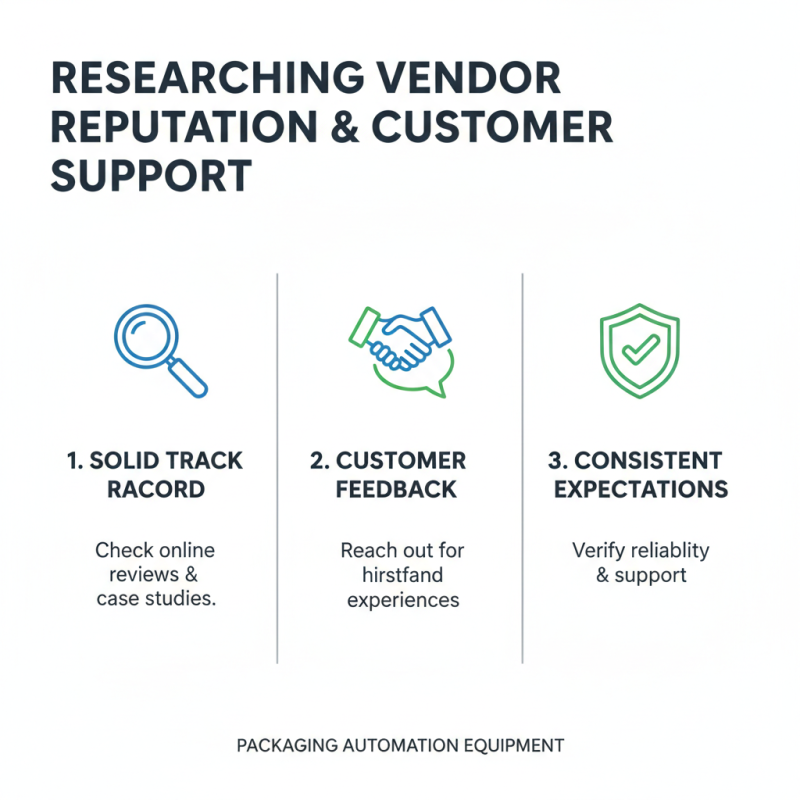
Explore various equipment options thoroughly. Read reviews and case studies to gauge reliability. Pay attention to hidden costs, such as parts replacement and operational efficiency. Gauge whether the equipment aligns with your production goals. Ask yourself tough questions about scalability and future needs. Balance your priorities carefully to ensure the best choice for your operations.
Considering Scalability and Future-Proofing for Growth
When selecting packaging automation equipment, scalability and future-proofing should be at the forefront. Research shows that businesses that prioritize scalable solutions can boost their operational efficiency by up to 30%. With the fast-paced nature of the market, equipment must adapt to changing demands. If your machinery cannot keep up, it may hinder growth, resulting in lost revenue.
Future-proofing is essential, especially given that 70% of manufacturers plan to invest in automation over the next few years. Choosing technology that is upgradable or adaptable to new systems is crucial. Not all equipment can easily incorporate new technologies. This limitation may lead to increased costs down the line. Investing in flexible solutions can prevent obsolescence and ensure ongoing productivity.
Additionally, consider the size and capacity of the equipment. Up to 60% of production lines experience bottlenecks due to outdated machinery. These inefficiencies can result in delays and poor performance. It's vital to choose equipment that can handle future production volume without compromising quality. Reflecting on current and projected needs can lead to better long-term investment decisions.