Top 10 Automated Packaging Machines You Need to Know About in 2023
In an era where efficiency and precision are paramount, the evolution of automated packaging machines stands at the forefront of industrial innovation. As supply chains become increasingly complex, businesses are turning towards automation to streamline their operations and enhance productivity. According to industry expert Dr. Emily Carter, a leading consultant in packaging technology, "The future of manufacturing relies heavily on the adoption of automated packaging machines, which can significantly reduce costs while improving reliability and output."
This statement reflects the growing consensus that automated solutions not only optimize workflows but also contribute to sustainability efforts, reducing waste associated with traditional packaging methods. As we navigate through 2023, understanding the latest advancements in automated packaging machines is crucial for any business looking to stay competitive in the marketplace.
In this comprehensive overview, we will explore the top ten automated packaging machines that are revolutionizing the industry this year. From versatile multi-use machines to specialized solutions tailored for unique packaging needs, these innovations promise to reshape how products are packaged and delivered, setting new standards for efficiency and quality in the packaging sector.
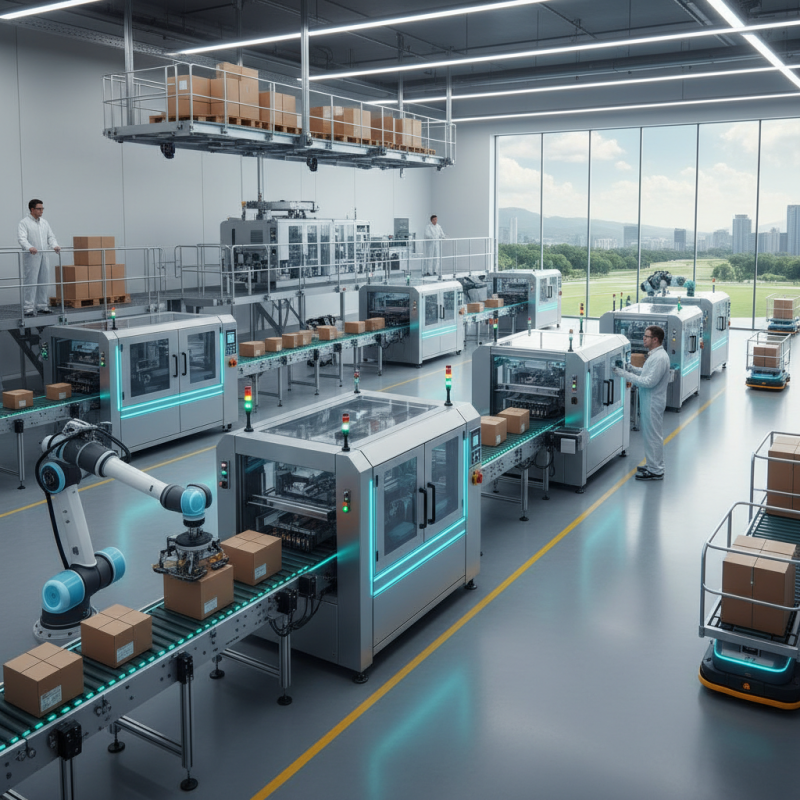
Overview of Automated Packaging Machines in 2023
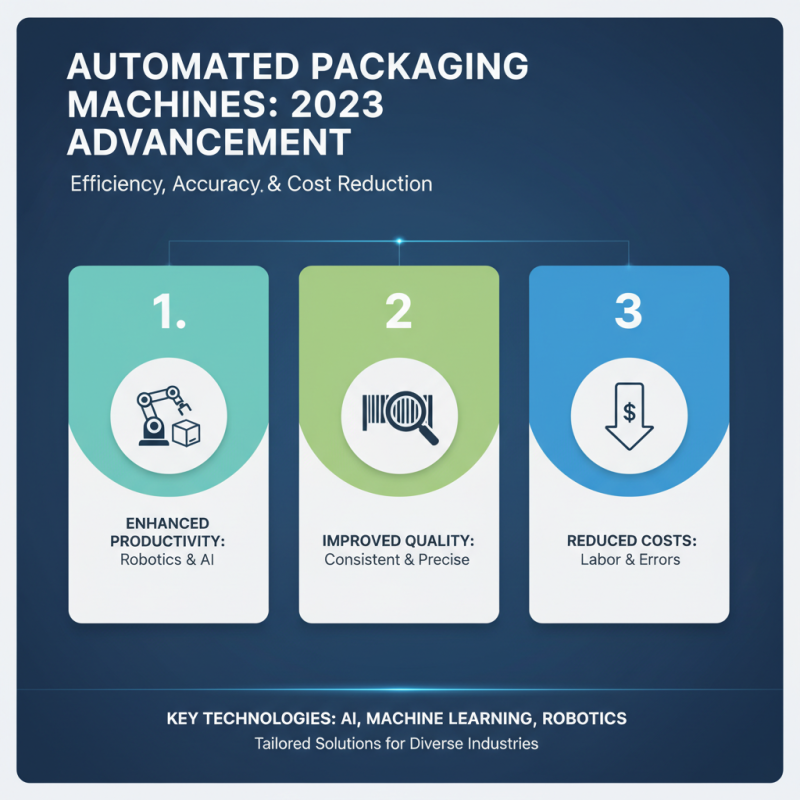
In 2023, automated packaging machines have advanced significantly, catering to diverse industries by enhancing efficiency, accuracy, and reducing labor costs. These machines incorporate cutting-edge technologies such as robotics, artificial intelligence, and machine learning to offer tailored packaging solutions. By automating the packaging process, businesses can achieve not only higher productivity but also maintain consistent quality in packaging, which is crucial for customer satisfaction.
The landscape of automated packaging is also shifting towards sustainability, with more machines designed to work with eco-friendly materials and reduce waste. Companies increasingly prioritize solutions that minimize their environmental footprint while optimizing operational capabilities. Additionally, the integration of smart sensors and IoT technology allows for real-time monitoring and adjustments during the packaging process, ensuring that even small fluctuations in production do not compromise overall efficiency. This evolution in automated packaging machines exemplifies the industry's response to demands for innovation and sustainability, making them indispensable in modern manufacturing and distribution.
Key Features and Benefits of Automated Packaging Systems
Automated packaging systems have revolutionized the way products are packaged across various industries. These machines are designed to streamline the packing process, increasing efficiency and reducing labor costs. One of the key features of automated packaging machines is their ability to handle a wide variety of products, from fragile items to bulky packages. This versatility allows businesses to adapt to changing market demands without investing in multiple machines. Moreover, automation reduces the risk of human error, leading to consistent packaging quality and enhanced production speed.
When considering the benefits of automated packaging systems, it's important to highlight their positive impact on operational efficiency. By automating repetitive tasks, companies can reallocate human resources to more strategic roles, fostering a more innovative work environment. Additionally, many automated systems are equipped with advanced technology such as sensors and AI, enabling real-time monitoring and adjustments to ensure optimum performance.
**Tips**: When selecting an automated packaging machine, assess your product range and packaging requirements. Ensure to choose a machine that offers flexibility and scalability for future growth. Investing in training for your staff on the new technology can also enhance efficiency and help harness the full potential of automation.
Top 10 Automated Packaging Machines: Detailed Reviews
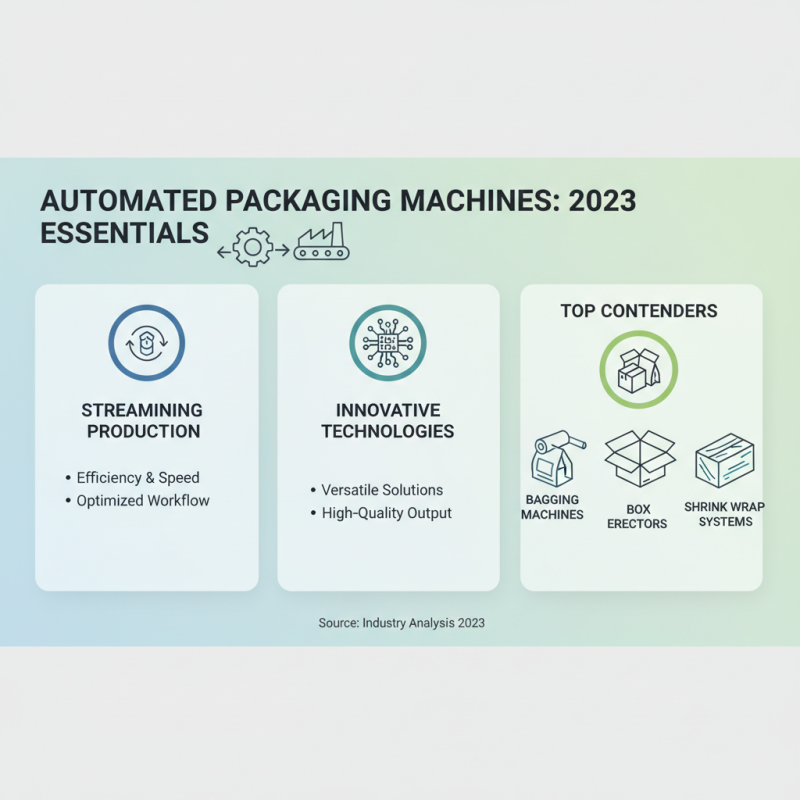
When it comes to streamlining production, automated packaging machines have become essential in various industries. In 2023, a variety of these machines stand out for their efficiency and innovative technologies. Among the top contenders are versatile solutions that can accommodate different types of products, such as bagging machines, box erectors, and shrink wrap systems. Each machine offers unique features tailored to specific packaging needs, ensuring that businesses can optimize their workflow and maintain high-quality standards.
**Tips for Choosing the Right Automated Packaging Machine:**
Consider the volume of production and packaging requirements. A machine that suits a low-volume production line may not be efficient for high-speed operations, and vice versa. Additionally, evaluate the machine’s adaptability to various package sizes and types to ensure you can meet changing demands without significant downtime or additional investments.
Another critical factor is maintenance and ease of operation. Look for machines with user-friendly interfaces and reliable support from manufacturers. Training staff on machine operation can reduce errors and enhance productivity. Regular maintenance schedules also contribute to prolonged machine life, preventing unexpected breakdowns that could disrupt production.
Industries Benefiting from Automated Packaging Solutions
Automated packaging solutions have become a game changer for various industries in 2023, driving efficiency and reducing production costs. According to a report by Future Market Insights, the global automated packaging market is projected to reach approximately $80 billion by 2025, growing at a CAGR of over 12%. This growth can be attributed to the surge in demand for packaging automation across sectors such as food and beverage, pharmaceuticals, and consumer goods. These industries are leveraging automated systems to enhance productivity and maintain stringent quality standards while reducing waste and manual labor.
In the food and beverage sector, automated packaging machines streamline processes such as filling, sealing, and labeling, which is vital for maintaining freshness and ensuring consumer safety. A recent survey from the Food Processing Institute indicated that nearly 70% of food manufacturers are investing in automated systems to meet evolving consumer preferences for convenience and sustainability. Similarly, the pharmaceutical industry benefits greatly from automation, with precision and compliance being paramount. A report from the International Journal of Pharmaceutical Sciences highlighted that automated packaging solutions can reduce human error by up to 40%, ensuring that medicines are packaged correctly and efficiently, thus enhancing overall patient safety. As industries continue to embrace automation, the advancements in packaging technology are setting new benchmarks for efficiency and reliability.
Top 10 Automated Packaging Machines You Need to Know About in 2023
This chart displays the market efficiency of the top 10 automated packaging machines in 2023. The units indicate the number of packages processed per hour, showcasing the varying capabilities of each machine.
Future Trends in Automated Packaging Technology
The landscape of automated packaging technology is rapidly evolving, with several key trends shaping its future. One significant trend is the integration of artificial intelligence (AI) and machine learning into packaging systems. These technologies enable machines to learn from their operations, predicting maintenance needs and optimizing workflows, leading to increased efficiency and reduced downtime. As companies seek to streamline their supply chains and improve productivity, adopting AI-powered solutions will become essential.
Another trend is the emphasis on sustainability within automated packaging. As environmental concerns rise, manufacturers are looking for ways to minimize waste and reduce their carbon footprint. Innovations such as biodegradable materials and energy-efficient machines are expected to gain popularity. Companies will increasingly invest in systems that not only enhance productivity but also align with eco-friendly practices, catering to the growing consumer demand for sustainable options.
Tips: When considering automated packaging solutions, it's crucial to assess the versatility of the machinery. Look for machines that can seamlessly adapt to various products and packaging types. Additionally, invest in training your staff on new technologies to maximize the benefits of automation. Staying ahead of trends will not only improve your packaging operations but also ensure compliance with future sustainability demands.
Top 10 Automated Packaging Machines You Need to Know About in 2023
| Machine Type |
Speed (units/hour) |
Dimension (L x W x H in cm) |
Power (kW) |
Features |
| Horizontal Flow Wrapper |
120 |
200 x 100 x 150 |
3.5 |
Customizable sealing options |
| Vertical Form Fill Seal |
100 |
250 x 80 x 160 |
2.8 |
Multi-layer film usage |
| Robotic Palletizer |
300 |
150 x 150 x 200 |
5 |
Flexible for various products |
| Shrink Wrapper |
180 |
220 x 120 x 150 |
4.0 |
Energy-efficient heating |
| Labeling Machine |
200 |
130 x 90 x 160 |
1.5 |
Precision alignment system |
| Case Erector |
150 |
210 x 200 x 180 |
2.2 |
Automatic size adjustment |
| Filling Machine |
250 |
180 x 110 x 175 |
3.0 |
Multi-product capabilities |
| Tray Sealer |
90 |
220 x 160 x 160 |
2.5 |
Quick changeover design |
| Conveyor System |
Continuous |
300 x 70 x 120 |
1.0 |
Modular construction |
| Wrapping Machine |
150 |
210 x 150 x 160 |
2.9 |
Film tension control |