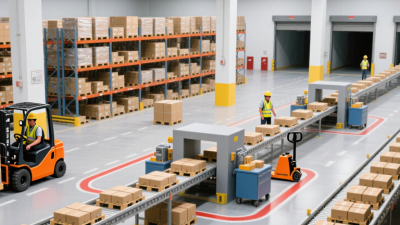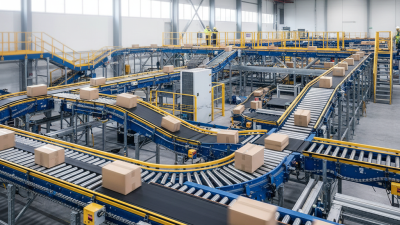
China’s belt conveyor sector serves mining, ports, power generation, construction, and manufacturing. Yet a supplier’s position on a “top 10” list matters less than whether its equipment fits the job. Belt width, carrying capacity, incline, material abrasiveness, and transfer-point design all shape performance. A broad catalogue alone proves little.
Professor Andrew W. Roberts is known for research in bulk-solids handling and conveyor engineering. A careful paraphrase of his engineering perspective is: “Conveyor performance depends on designing the system around the material and operating conditions.” That principle offers a useful lens for comparing manufacturers. Look for documented projects, clear technical specifications, quality-control practices, and responsive after-sales support. Ask how the company handles belt tracking, dust control, and wear at loading points. These details matter. A tidy brochure cannot show how a conveyor behaves under a full load, in rain, or through years of abrasive service.
This guide examines ten Chinese manufacturers through practical criteria, not a claim of universal ranking. Company scale, export experience, and product range can help narrow a shortlist, but they do not replace independent checks. Verify certifications and references directly, and compare like-for-like specifications. Some information may change, and published claims deserve scrutiny. The right supplier is the one whose design, evidence, and service match your operating needs—not simply the one with the boldest promise.
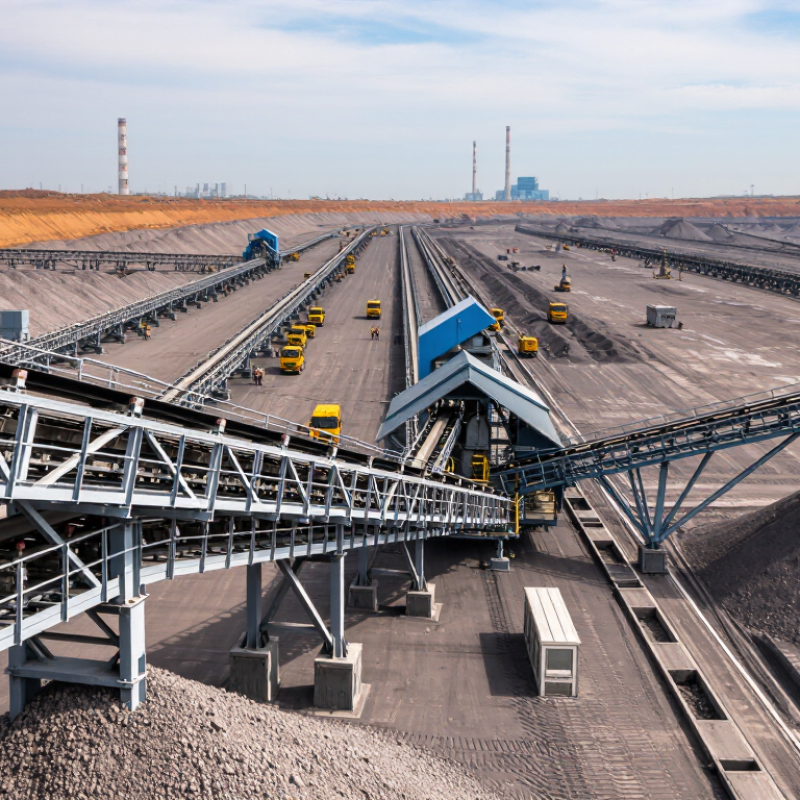
China’s belt conveyor sector is shaped by heavy industry, mining, ports, and large manufacturing sites. The National Bureau of Statistics of China reported that raw coal production reached about 4.76 billion tonnes in 2024, up 1.3% year on year. That scale helps explain demand for equipment that can move bulk materials continuously. It does not measure conveyor sales directly. The comparison is imperfect.
For manufacturers, practical performance matters as much as capacity. Buyers assess belt width, loading points, drive power, dust control, and access for maintenance. A transfer chute that traps wet material can slow an entire line. Small details count. Grand View Research estimated the global conveyor belt market at about US$6.3 billion in 2023 and forecast a 4.9% compound annual growth rate from 2024 to 2030. This global figure is useful context, not a China-specific market estimate. Chinese producers serve projects with widely differing site conditions, so published capacity alone may not reveal how a system performs after months of abrasive, dusty operation. That part is harder to compare.
Evaluating a belt conveyor manufacturer starts with the material and operating conditions, not a catalog photo. Share the required capacity, belt width, incline, travel distance, and hours of daily operation. A supplier should explain how these details shape the frame, rollers, drive system, and belt selection. Vague answers are a warning sign.
Ask to see drawings, material specifications, and inspection records for a comparable conveyor. If possible, visit the workshop and observe frame welding, roller assembly, and belt tracking tests. Ask how the system performs with your actual load, including dusty or damp material. Small details matter. Check whether guards, emergency stops, and access points are included in the proposed design.
After-sales support deserves the same scrutiny as the equipment. Clarify spare-part availability, installation guidance, response times, and warranty limits in writing. Request references from operations with similar loads and working conditions, then ask what required adjustment after installation. A polished presentation cannot prove consistent production quality. I would also compare the supplier’s answers against the final drawings; specifications can be missed when requirements change late. No evaluation is perfect, but clear records make weak assumptions easier to catch.
The table below provides ten practical criteria for comparing manufacturers. It is an evaluation framework, not a verified ranking of specific companies; supplier claims should be confirmed with current documentation and project references.
| No. | Evaluation Dimension | What to Assess | Evidence to Request or Check |
|---|---|---|---|
| 1 | Engineering and application fit | Whether the proposed conveyor is designed for the material, throughput, route, incline, and operating environment. | Project-specific layout, design assumptions, capacity calculations, and a clearly defined technical proposal. |
| 2 | Product range and customization | Availability of suitable conveyor configurations, belt widths, lengths, drive arrangements, and accessories. | Product specifications and drawings showing which items are standard and which are project-specific. |
| 3 | Materials and component selection | Suitability of the belt, rollers, pulleys, bearings, motors, and structure for the load and site conditions. | Component datasheets, material specifications, supplier documentation, and stated design life assumptions. |
| 4 | Manufacturing and quality control | How incoming materials, fabrication, assembly, and finished equipment are inspected and controlled. | Quality procedures, inspection records, test reports, and the scope and validity of any claimed management-system certification. |
| 5 | Performance verification | Whether stated capacity, speed, power, and operating limits are supported by suitable engineering calculations and tests. | Calculation summaries, factory acceptance test procedures, and measurable acceptance criteria agreed before purchase. |
| 6 | Safety and regulatory requirements | Whether guards, emergency stops, access provisions, and documentation meet the requirements applicable at the installation site. | Risk assessment, safety-device list, applicable compliance documents, and confirmation of the destination market’s requirements. |
| 7 | Installation and commissioning | The clarity of installation scope, site responsibilities, commissioning support, and handover arrangements. | Installation drawings, commissioning checklist, staffing plan, and a written scope of supply and services. |
| 8 | After-sales service and spare parts | Availability of technical support, replacement parts, maintenance guidance, and response arrangements. | Warranty terms, spare-parts list, service contact process, and stated support coverage. |
| 9 | Delivery and project management | Whether the proposed schedule, milestones, packaging, and shipping plan are realistic for the project. | Production schedule, milestone plan, packing details, and written delivery terms. |
| 10 | Total cost and contract clarity | The full purchase and operating-cost picture, including exclusions, installation, maintenance, and warranty coverage. | Itemized quotation, scope and exclusions, payment terms, warranty conditions, and documented assumptions. |
China’s top 10 belt conveyor manufacturers are best compared by engineering capability, not catalogue size. A useful shortlist should cover mining, ports, power plants, and bulk-material handling. China’s National Bureau of Statistics reported raw coal output of 4.76 billion tonnes in 2024, a measure of the heavy-duty conveying demand facing the sector. That figure is context, not proof that any supplier leads.
For each manufacturer, check stated belt width, rated capacity, conveyor length, incline, and operating conditions. Ask for project references with similar materials and duty cycles. Dusty transfer points, wet fines, and cold outdoor starts can expose design weaknesses that clean factory tests miss. Look for documented belt-tension calculations, guarding details, control-system integration, and service response times. ISO 5048 provides a recognized method for calculating operating power and tensile forces on belt conveyors. That helps make technical claims easier to compare.
A ranking can still be imperfect. Published capacity figures may use different test assumptions, and “custom-built” does not automatically mean better. Request drawings, inspection records, and maintenance intervals before treating a top-ten position as a purchasing recommendation.
Representative nominal belt widths used in industrial conveyor specifications, shown in millimeters.
These are standard nominal width options, not a ranking of manufacturers. Actual available widths vary by specification and supplier.
China’s leading belt conveyor manufacturers differ less by headline capacity than by how well their systems match a site. Some focus on standard belt lines for warehouses and packaging plants. Others engineer heavy-duty conveyors for mining, ports, cement production, or power facilities. Compare belt width, rated load, operating speed, and transfer-point design, not just catalogue range. Details matter.
A manufacturer’s capabilities also show in its engineering support. Ask how it handles dust, moisture, temperature changes, and long conveying distances. A system for moving grain through a covered facility may need different belt covers and cleaning arrangements than one carrying abrasive ore. Check whether the supplier can provide structural drawings, installation guidance, spare parts, and practical maintenance advice. These details can affect downtime long after delivery.
Industry experience is useful, but it does not guarantee a perfect fit. Request comparable project references and clarify which components are produced in-house or sourced externally. Not every line fits. One comparison can still miss important site conditions, especially where layout changes during installation. A careful review of product specifications, service capacity, and operating environment gives buyers a more grounded view of each manufacturer’s strengths.
Choosing a belt conveyor manufacturer starts with the job itself, not a catalog. Define the material, hourly throughput, belt width, incline, and operating hours. Dust, moisture, heat, and sharp-edged loads can change belt and frame requirements. A design suited to dry grain may struggle with wet aggregate. Small details matter.
Check how the manufacturer verifies its design. Request equipment drawings, motor and reducer specifications, load-test records, and inspection details for welds and rollers. Ask how belt tension, tracking, and emergency stops will be handled. A low quote can still become expensive. Compare what each proposal includes, such as guards, controls, installation support, and spare parts. Catalog photos are only a starting point, not proof of performance.
Service quality deserves equal attention. Ask who responds when a belt drifts or a bearing overheats, and whether common replacement parts are readily available. Request references for systems with similar materials and duty cycles; then ask what required adjustment after startup. The answer may reveal more than a polished presentation. Review warranty terms and delivery schedules in writing, and confirm that the proposed layout fits your site. Even a capable supplier can miss a constraint if the operating conditions are vague.