What Are the Top 10 Types of Conveyor Systems?

Conveyor systems keep products moving through warehouses, factories, airports, and food-processing plants. They can carry cartons, loose materials, or heavy components across short distances and long production lines. A belt conveyor may pass neatly beneath a packing station, while a roller system can guide boxes toward a loading area. Other designs lift, sort, or move items through tight spaces. Small details matter. A damp floor, abrasive dust, changing product sizes, or frequent washdowns can affect performance and maintenance needs.

This guide introduces ten common types of conveyor systems, including belt, roller, chain, screw, pneumatic, and overhead conveyors. Each type has distinct strengths, limits, and typical uses. The right choice depends on the material, route, throughput, available space, and operating conditions—not simply on purchase price. A system that works well for sealed cartons may be unsuitable for fragile goods or hot, abrasive material. That distinction is easy to overlook. The comparisons ahead offer a practical starting point, not a substitute for site-specific engineering. Readers should check load requirements, cleaning access, safety features, and compatibility with existing equipment before selecting a design. Even careful planning can miss something: real facilities change, and a conveyor that fits today may need adjustment as products or workflows evolve. Knowing the main options makes those decisions clearer.
What Are the Top 10 Types of Conveyor Systems?

How Conveyor Systems Transport Materials

What Are the Top 10 Types of Conveyor Systems?

How Conveyor Systems Transport Materials

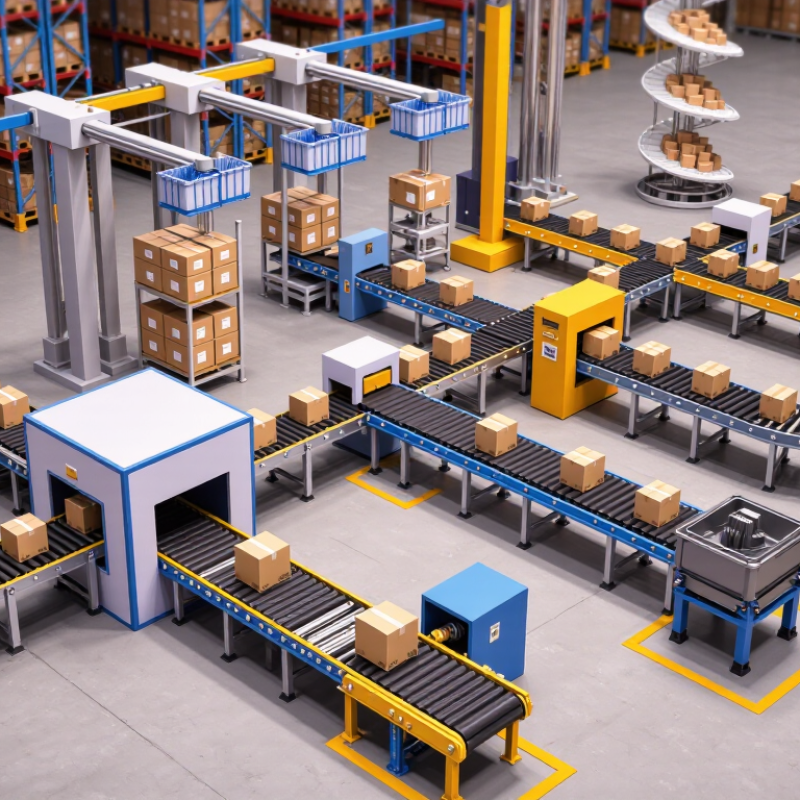
A conveyor moves materials by applying steady force along a planned route. Belts carry cartons over long, level runs; rollers let flat-bottomed loads roll with little friction. Chain and slat systems handle heavier items, while overhead conveyors free floor space. Screw conveyors push powders through enclosed troughs. Bucket elevators lift grain or small parts. Pneumatic systems move fine materials through pipes using air. Vibrating conveyors gently shift loose goods, and vertical conveyors raise loads between floors. Each method suits a different material and path.

Motion does the work. Motors drive belts, chains, or screws, while sensors can regulate speed and stop a line when goods pile up. A roller section may rely on gravity, but its slope must match the load. Too steep, and cartons gain speed; too shallow, and they stall. Curves, transfers, and loading points need careful alignment. Small details matter.

Grand View Research’s 2024 Conveyor Systems Market Size, Share & Trends Analysis Report estimated the global market at USD 10.6 billion in 2023. That scale reflects widespread use, not a single ideal design. Engineers typically consider load weight, distance, floor space, and dust or moisture exposure before choosing a system. A belt can seem simplest, yet cleaning or tracking may take more attention than expected. Conveyors save repeated handling, but they still need inspection and adjustment.

Belt, Roller, and Chain Conveyor Systems

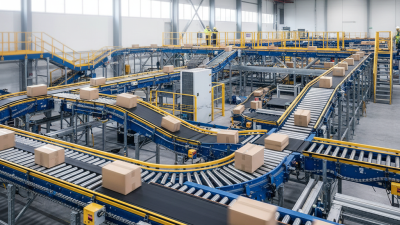
Belt, roller, and chain conveyors are three common choices among the many systems used to move materials. Belt conveyors carry goods on a continuous surface, making them useful for loose items, cartons, and products that need steady support. Belt material and surface texture affect grip, cleaning, and wear. A small package can slip on a steep incline, while an oversized belt may waste energy. Dust matters.

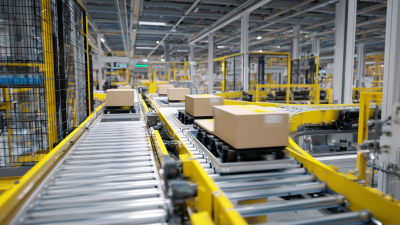
Roller conveyors use a series of cylinders beneath the load. Gravity models need a slight slope and work well for boxes with flat, firm bottoms; powered rollers provide movement across level sections. They are less suitable for soft bags or irregular items that catch between rollers. Chain conveyors move loads using linked chains, often supporting pallets or heavy fixtures. Their sturdy contact points can handle demanding transfers, but they may create more noise and require regular lubrication and inspection. Not always the best fit.

Choosing among them depends on load weight, shape, route, speed, and the work environment. A practical review should check transfer points, pinch hazards, cleaning access, and maintenance needs before comparing capacity alone. The right design often combines conveyor types, though each handoff adds a point that deserves careful attention.

What Are the Top 10 Types of Conveyor Systems? - Belt, Roller, and Chain Conveyor Systems

Conveyor Type How It Moves Material Typical Materials or Loads Common Applications Key Considerations
Belt Conveyor A continuous belt runs over pulleys, carrying items along a fixed path. Packages, cartons, parcels, and many bulk materials. Warehousing, manufacturing, packaging, and bulk handling. Versatile and suitable for long routes; belt material and design should match the load, environment, and incline.
Gravity Roller Conveyor Items roll along freely rotating rollers, using a slight slope or manual force. Rigid-bottom cartons, totes, and other loads that can roll smoothly. Packing areas, order picking, loading zones, and short transfer lines. Does not require a drive motor, but works best with stable loads and an appropriate roller spacing and slope.
Powered Roller Conveyor Driven rollers move loads using motors, belts, chains, or other drive arrangements. Cartons, totes, trays, and compatible unit loads. Distribution centers, assembly lines, sorting, and accumulation zones. Provides controlled, powered movement; roller spacing and drive configuration must suit the load dimensions and weight.
Chain Conveyor One or more driven chains pull or support loads along a track. Pallets, heavy containers, and loads designed to engage with the chain or supports. Heavy-duty manufacturing, pallet handling, and industrial transfer lines. Handles robust loads, but requires suitable chain selection, guarding, lubrication, and regular maintenance.
Slat Conveyor Linked slats attached to a chain form a moving, continuous carrying surface. Rigid products, containers, and items that need a stable supporting surface. Assembly, packaging, and production lines where products need consistent support. The slat surface supports loads that may not travel well on rollers; the system is typically more mechanically involved than a simple gravity conveyor.
Overhead Conveyor A suspended track and trolley system carries loads above the floor. Hanging parts, garments, tools, and other loads suited to suspension. Painting, finishing, assembly, and facilities needing clear floor space. Uses overhead space and can connect workstations; track layout and load clearance need careful planning.
Screw Conveyor A rotating helical screw moves bulk material through a trough or enclosed tube. Powders, grains, pellets, and other loose bulk materials. Food processing, agriculture, wastewater treatment, and bulk-material handling. Can provide enclosed, metered transport; capacity and wear depend on material properties, screw design, and conveying distance.
Pneumatic Conveyor Airflow carries bulk material through pipes or ducts. Dry powders, fine particles, and suitable granules. Moving bulk materials between processing, storage, and packaging equipment. Enclosed routing can reduce open handling; system design must account for airflow, pressure, material characteristics, and energy use.
Bucket Elevator Buckets attached to a belt or chain lift bulk material vertically or on a steep incline. Grain, seeds, minerals, and other free-flowing bulk materials. Grain handling, milling, mining, and bulk storage facilities. Designed for vertical lifting; bucket type, speed, and loading method should match the material and required capacity.
Vibrating Conveyor Controlled vibration advances material along a tray or trough. Bulk solids, small parts, and products that can be conveyed on a vibrating surface. Screening, feeding, sorting, and processing operations. Can combine conveying with feeding or separation; vibration settings and tray design must suit the material and process.

Screw, Slat, and Bucket Conveyor Systems

What Are the Top 10 Types of Conveyor Systems?

Screw, Slat, and Bucket Conveyor Systems

Screw conveyors

Screw conveyors move bulk materials through a trough or enclosed tube using a rotating helical blade. They suit powders, grains, and damp mixtures, especially where a compact route is useful. Enclosure can help contain dust and spills. But abrasive material may wear the screw and trough, so inspect clearances and surfaces regularly. Dust matters.

Slat conveyors

Slat conveyors use linked plates that travel over chains. Their sturdy, relatively flat surface can carry heavy, hot, or irregular items through assembly and processing areas. Operators should check chain tension and watch for material caught between slats. They can be noisy, and their joints need maintenance. Not always ideal for delicate goods.

Bucket conveyors

Bucket conveyors lift loose material in attached containers, making them useful for vertical or steep transport of grains, pellets, and similar products. Capacity depends on bucket size, spacing, speed, and how consistently material enters the system. Poor loading can cause spills or uneven flow. A site trial may reveal issues that drawings miss. That trade-off matters. Consider material properties, cleaning needs, and access for maintenance before choosing a design.

Overhead, Pneumatic, Vibrating, and Vertical Conveyors

What Are the Top 10 Types of Conveyor Systems?
Overhead, Pneumatic, Vibrating, and Vertical Conveyors

Overhead conveyors carry items on suspended trolleys, keeping floor space open for people and equipment. They suit assembly lines and processes where parts follow a set route. Check ceiling height, load limits, and access for maintenance before planning the track. A crowded overhead route can complicate repairs.

Pneumatic conveyors use moving air to carry powders or small particles through enclosed pipes. They can limit spills, but bends, material abrasiveness, and energy use deserve careful review. Vibrating conveyors move bulk goods along a trough through controlled vibration. They work well for sorting or feeding, though fragile items may chip if vibration settings are too aggressive. Vertical conveyors lift products between levels. Match the design to the item’s shape, weight, and required flow rate.

Tips: Test the actual material, not just a sample specification. Check for dust, breakage, noise, and cleaning needs. Leave room for inspection. I would not choose by speed alone; maintenance access is easy to underestimate.

Choosing a Conveyor System for an Application

Choosing a conveyor system starts with the load and the route, not the catalog. Record each item’s weight, dimensions, surface, and arrival rate. Then map the path, including bends, elevation changes, and space for workers. A belt conveyor can handle mixed cartons smoothly; roller systems suit rigid packages and accumulation. Chain, overhead, screw, and pneumatic systems serve different loads and environments. Check washdown needs, noise, dust, access for repairs, and guarding. Small details matter.

MHI’s 2024 Annual Industry Report found that 88% of surveyed supply-chain professionals planned to increase spending on technology and innovation over the following two years. This is not a conveyor-specific statistic, but it signals why automation decisions deserve careful planning. Compare total operating costs, not just purchase price: energy, maintenance, downtime, and future layout changes all count. A faster line may simply move a bottleneck downstream. That part is easy to miss.

Tips: Test representative loads at realistic speeds. Ask operators to review the layout, and leave room for maintenance access. Document assumptions; throughput estimates can be wrong.