Top 5 Liquid Filling Machines You Should Consider?
The liquid filling machine industry is rapidly evolving. According to a report from Research and Markets, the global liquid filling machinery market is expected to grow significantly, reaching $8 billion by 2025. This growth is fueled by the rising demand for automated packaging in industries such as food and beverage, pharmaceuticals, and cosmetics.
Experts highlight the importance of choosing the right equipment. Mark Johnson, a leading expert in liquid filling technology, states, “Investing in the right liquid filling machine can enhance production efficiency and accuracy.” With numerous options available, selecting a suitable machine can be daunting. Various factors, including the type of liquid, container size, and production speed, play a crucial role in this decision.
The right liquid filling machine can impact overall production. It’s essential to analyze specific needs before making a choice. Many businesses face challenges with equipment maintenance and compatibility. Understanding these complexities is vital for achieving optimal results. Thus, a careful assessment of options is required for successful implementation.
Types of Liquid Filling Machines: An Overview
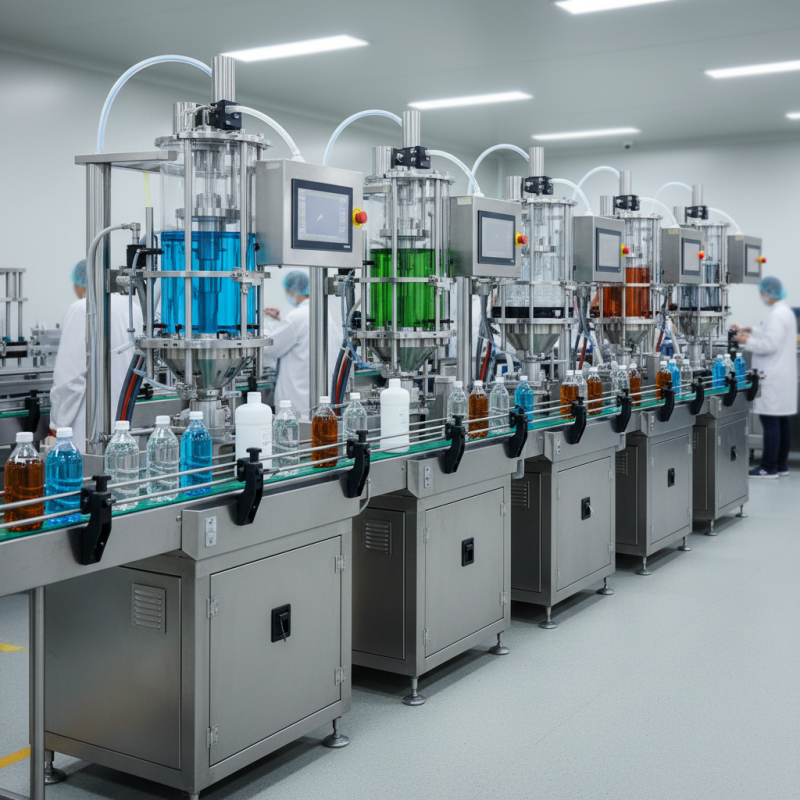
Liquid filling machines are essential in various industries, including food, pharmaceuticals, and cosmetics. Choosing the right type can significantly impact production efficiency and product quality.
There are several types of liquid filling machines available. Volumetric fillers measure a specific volume of liquid before dispensing, ensuring accuracy. This type is suitable for thick liquids like sauces. Gravity fillers, on the other hand, rely on gravity to fill containers. They work well for thinner liquids, such as water or juices.
Piston fillers utilize a piston to draw and dispense liquids. They are versatile, handling different liquid viscosities. Counter-pressure fillers are ideal for carbonated drinks, maintaining pressure to prevent foam loss. Each type has pros and cons, necessitating careful consideration. It's crucial to evaluate your specific needs and production goals to choose the most effective machine.
Key Features to Look for in Liquid Filling Machines
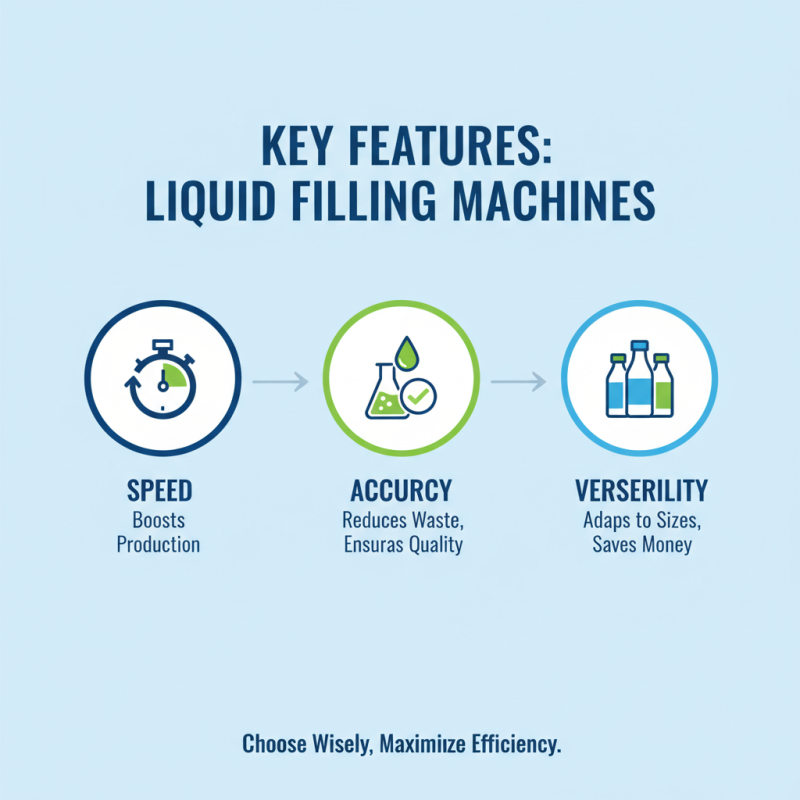
When choosing a liquid filling machine, specific features can make a significant difference. Pay attention to the filling speed. A faster machine can boost your production. However, speed shouldn't compromise accuracy. Consistent filling minimizes product waste and enhances quality control. Also, a versatile machine can adapt to different container sizes, saving you time and money.
Another critical aspect is ease of use. A user-friendly interface allows operators to adjust settings quickly. This can reduce training time for new staff. Automatic cleaning features can also save effort, but they may require regular maintenance. Keep in mind that while automation can streamline processes, it can lead to bottlenecks without proper oversight.
Consider the machine's durability and materials. Stainless steel components resist corrosion, ensuring long-term use. However, some manufacturers may cut corners, so verify material quality before purchase. Remember, even the best machines can face issues. Regular troubleshooting and maintenance are essential for optimal performance. Reflect on these factors thoroughly to make an informed choice.
Top 5 Liquid Filling Machines for Different Industries
In various industries, selecting the right liquid filling machine is crucial. Different sectors have diverse requirements. For instance, the food and beverage industry often demands high-speed machines. These machines must meet stringent hygiene standards. According to a report by Markets and Markets, the liquid filling machine market is expected to reach $5.75 billion by 2026, indicating robust growth.
Pharmaceutical companies face unique challenges. Accuracy and precision are vital here. Typically, these filling machines must handle different viscosities and sterilization processes. The need for compliance with safety regulations adds to the complexity. Some manufacturers struggle with the balance between speed and precision, leading to increased waste and costs.
Cosmetic and personal care industries require flexibility. Machines need to adapt to various bottle sizes and types. This flexibility is often a pain point. A study by Grand View Research highlights that 36% of companies wish for more customizable solutions. As these industries expand, the demand for efficient, adaptable machines will likely grow. Addressing this issue can drive innovation and improve operational efficiency.
Performance Comparisons: Speed, Accuracy, and Efficiency
When choosing a liquid filling machine, performance is key. Speed, accuracy, and efficiency vary significantly among options. Many machines can fill volumes of 100-500 ml at rates of 100-300 bottles per minute. However, achieving such high speeds can compromise accuracy. A report from the Food and Beverage Manufacturing Journal mentions that inline fillers often maintain up to 98% accuracy, whereas some volumetric options may drop to 95% under high speed.
Understanding the filling technique is essential. Machines that utilize volumetric filling offer quick speeds, but may need adjustments for varied liquid viscosities. In contrast, piston fillers excel in filling thicker liquids with less air entrapment, resulting in higher overall efficiency. A study by Packaging Strategies highlights that businesses using piston fillers reported a decrease in product waste by up to 15%.
Tips: Regular maintenance ensures consistent performance. Adjusting machines according to product properties can improve filling accuracy significantly. Remember, sometimes a slower machine yields better quality output. Balancing speed and accuracy is crucial for optimal performance in liquid filling operations.
Performance Comparison of Top 5 Liquid Filling Machines
Maintenance Tips for Long-lasting Liquid Filling Machines
Liquid filling machines are essential in various industries. To extend their lifespan, proper maintenance is crucial. Regular cleaning is a key part of this process. Residue buildup can lead to malfunctions. A weekly cleaning routine can prevent this issue. Use non-corrosive cleaners to ensure no damage occurs. Inspect the machine’s components regularly. Look for any signs of wear or tear. Replacing worn parts early can save you from costly repairs later.
Lubrication is often overlooked but is vital for smooth operation. Apply lubricant to moving parts according to the manufacturer's guidelines. This helps reduce friction and wear. Monitor the machine’s performance closely. If you notice irregularities, address them immediately. Ignoring small issues can lead to bigger problems down the line. It's important to train your staff. They should know how to operate and maintain the machines correctly.
Finally, keep the environment in check. High humidity or dust can negatively impact the equipment. Ensure the workspace is clean and dry to promote longevity. Regularly reviewing and updating maintenance protocols is also beneficial. This not only improves efficiency but can also prevent potential breakdowns. Maintaining liquid filling machines requires commitment and attention to detail, but it pays off in the long run.
Top 5 Liquid Filling Machines You Should Consider
| Machine Type |
Filling Capacity (Liters/min) |
Accuracy (%) |
Maintenance Frequency (Months) |
Warranty (Years) |
| Semi-Automatic |
20 |
±1 |
6 |
2 |
| Fully Automatic |
40 |
±0.5 |
12 |
3 |
| Piston Pump |
15 |
±1 |
4 |
2 |
| Gravity Fill |
10 |
±2 |
5 |
1 |
| Overflow Fill |
25 |
±1 |
3 |
2 |