China Top Material Handling Equipment Suppliers?
Choosing among China’s top material handling equipment suppliers requires more than comparing prices or polished catalogs. The right partner should match your warehouse layout, load profile, operating hours, and safety expectations. Products may include forklifts, pallet trucks, stackers, conveyors, racking systems, and automated guided vehicles. Each solution performs differently under real working conditions.
This guide examines suppliers through practical evidence. It considers manufacturing capability, engineering experience, product quality, certifications, customization, delivery reliability, and after-sales support. A dependable supplier should explain rated capacity, lift height, battery performance, maintenance intervals, and replacement-part availability. Factory visits, sample testing, and customer references can reveal details that brochures often miss. Details matter.
Cost remains important, but the lowest quotation may not deliver the lowest ownership cost. Frequent breakdowns, delayed parts, poor operator training, or limited technical support can interrupt daily operations. Strong suppliers usually provide clear specifications, documented inspection procedures, warranty terms, and responsive service channels. Still, no ranking is universal. Conditions vary.
Some evaluations remain incomplete because supplier performance can change by product line, region, and project scale. Buyers should verify current information directly and request written commitments before signing contracts. This approach supports a more reliable comparison of China’s leading manufacturers and helps businesses select equipment that improves movement, storage, and workplace efficiency. A careful decision begins with evidence, not assumptions.
Types of Material Handling Equipment Made in China
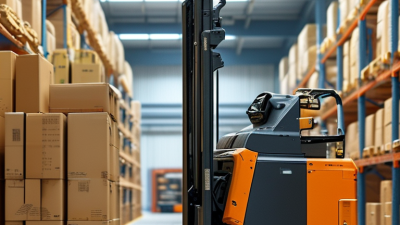
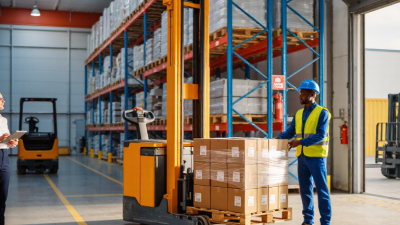
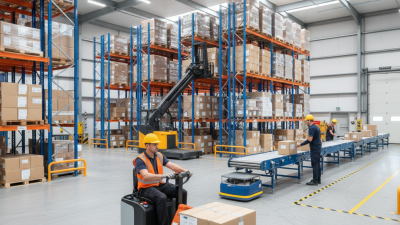
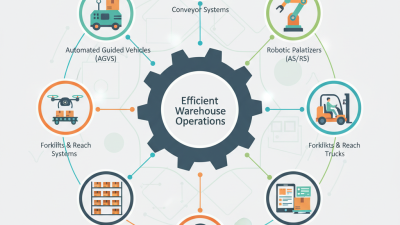
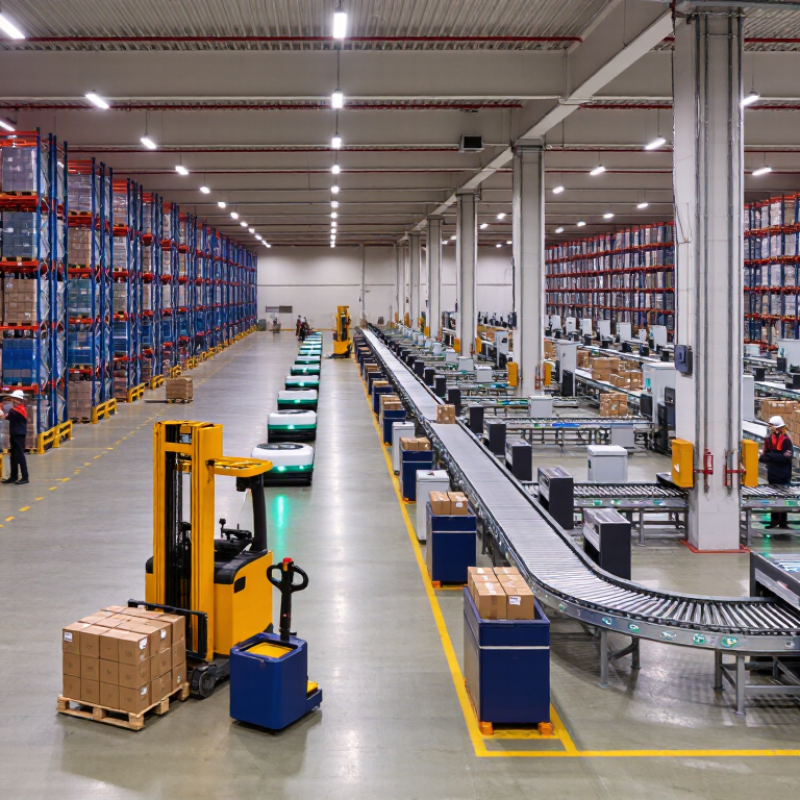
China’s material handling equipment industry covers many warehouse and factory needs. Common products include forklifts, hand pallet trucks, electric stackers, and reach trucks. Forklifts suit heavier loads and outdoor yards, while pallet trucks move cartons across short distances. Stackers work well in narrow storage areas with moderate lifting demands. Electric models usually produce less noise and fit indoor operations better.
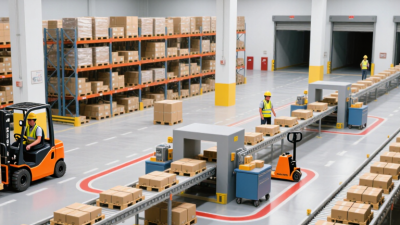
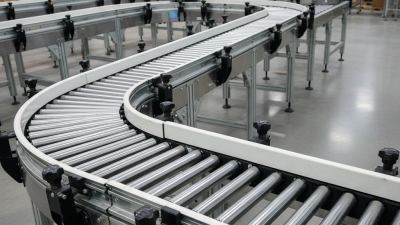
Conveyors are widely made for sorting, packing, and continuous transfer. Roller conveyors handle boxes with firm bases. Belt conveyors move smaller or irregular items more smoothly. Manufacturers also produce overhead cranes, wire-rope hoists, and hydraulic lifting tables for workshops and loading zones.
Automated guided vehicles can transport pallets between fixed workstations, but they require accurate routes and reliable floor conditions. Automation is not always the cheapest answer.
During equipment selection, I would check rated capacity, lift height, turning radius, battery endurance, and spare-part access. A machine rated for 2,000 kilograms may handle less at full height. That detail is often overlooked.
Operators should also review guarding, emergency stops, visibility, and local safety requirements. Factory inspection matters too. Ask for load tests, electrical checks, weld inspection records, and clear operating manuals. Chinese suppliers can offer broad customization, yet inconsistent documentation remains a practical concern. Buyers should compare actual test evidence, not only catalog photographs.
Leading Chinese Material Handling Equipment Manufacturers
China’s leading material handling equipment manufacturers are moving beyond basic forklifts. They now produce pallet trucks, stackers, automated storage systems, conveyors, and warehouse control software. China’s logistics market creates strong practical demand. The China Federation of Logistics and Purchasing reported total social logistics value of RMB 352.4 trillion in 2023, increasing 5.2% year on year.
Automation is reshaping supplier capabilities. The International Federation of Robotics recorded 276,288 industrial robot installations in China during 2023, representing more than half of global installations. This growth supports manufacturers developing shuttle systems, autonomous mobile robots, and robotic pallet handling. In a real warehouse, performance depends on details. A 1.5-ton pallet may need accurate fork alignment, stable braking, and safe turning within a narrow aisle. Small design errors become expensive during continuous shifts.
Reliable Chinese suppliers should provide load testing, maintenance documentation, spare-parts planning, and operator training. Buyers should verify battery performance, lifting cycles, safety sensors, and software compatibility before signing contracts. Factory audits also matter. Product catalogs can look impressive. Field evidence is better. Some manufacturers still underestimate after-sales response times, especially for overseas installations. That weakness deserves honest review. Independent testing, documented quality systems, and clear warranty terms help separate experienced producers from low-cost traders. Industry reports offer useful benchmarks, but actual warehouse trials remain essential.
Quality, Certification, and Customization Standards
Selecting China’s top material handling equipment suppliers requires more than comparing prices. Quality must be visible in documents, testing, and production controls. The ISO Survey 2023 recorded more than 1.2 million valid ISO 9001 certificates worldwide. However, certification alone does not guarantee reliable equipment. Buyers should request welding procedures, material certificates, calibration records, and serial-number traceability.
Certification must match the equipment and destination market. Ask for a documented risk assessment, electrical safety testing, load-test results, and a complete technical file. For automated vehicles, ISO 3691-4 can support safety evaluation. For electrical assemblies, EN 60204-1 is commonly referenced. MHI’s 2024 Annual Industry Report highlights continued investment in supply-chain technology, increasing pressure for dependable automation. Yet customization can expose weak engineering. A changed frame, wheel, or control system may affect stability and software safety. That detail is easy to overlook.
Tips:
Require a factory acceptance test with photographs and measurable pass criteria. Confirm whether the supplier controls critical parts internally. Check how design changes are approved. A certificate may be genuine, but the supplied model could differ. This is where careful review matters. Reserve payment for documented inspection milestones, and keep a small pilot order before scaling. Mistakes still happen, even with experienced suppliers. Good suppliers make those mistakes visible, correctable, and traceable.
How to Select the Right Chinese Supplier for Your Needs
Finding China’s top material handling equipment suppliers requires more than comparing prices. Start with your operating details: pallet weight, lift height, aisle width, floor condition, and daily cycles. Ask each supplier for a load chart matching your actual model. A polished catalog is not enough. During factory visits, inspect welds, battery compartments, tire quality, and final testing records. Small details often reveal production discipline.
Request evidence of experience in facilities similar to yours. Photos help, but signed delivery records, inspection reports, and customer references are stronger. Check whether engineers can explain motor ratings, braking distance, charging time, and spare-part availability without vague promises. Confirm quality controls for incoming steel, hydraulic components, and electrical systems. Independent pre-shipment inspection adds useful distance between sales claims and the machine you receive.
I once focused too heavily on unit price and underestimated training and replacement parts. That mistake looked cheap only on paper. Leave room for questions. A reliable supplier should discuss failures honestly, including expected wear on chains, forks, wheels, and seals. Clarify warranty response times, remote support hours, manuals, and operator training. Compare the full operating cost over three years, not only the invoice. If a supplier avoids written answers, treat that silence as practical evidence.
How to use this benchmark: Prioritize total cost and lifecycle reliability, then verify technical compliance, delivery capability, after-sales support, and documentation. The assessment criteria reference common industrial procurement practices and relevant standards, including ISO 9001, ISO 14001, ISO 45001, EN 1175, and ISO 3691-1. The percentages are a practical evaluation model, not company-specific performance data.