Top 10 Piston Fillers for Global Buyers in 2026?
In the ever-evolving landscape of industrial packaging, Piston Fillers play a crucial role. These machines are vital for ensuring precision in filling liquids, creams, and other viscous products. As we look ahead to 2026, the demand for efficient and reliable Piston Fillers is set to rise significantly. Global buyers are seeking advanced solutions that improve productivity and reduce waste.
Selecting the right Piston Filler can be challenging. Various models cater to different needs, from small-scale operations to large manufacturing setups. Each machine offers unique features that can affect performance. Buyers must consider factors such as speed, accuracy, and ease of cleaning when choosing the right equipment. Additionally, the path to finding a dependable Piston Filler is often riddled with misconceptions.
As industries evolve, the technology behind Piston Fillers also advances. It's essential to stay informed about the latest innovations, alongside understanding potential pitfalls. Knowledge about maintenance and compatibility with specific products enhances long-term investment. Ultimately, making a well-informed choice requires careful consideration of multiple aspects, reflecting the true complexity of the process.
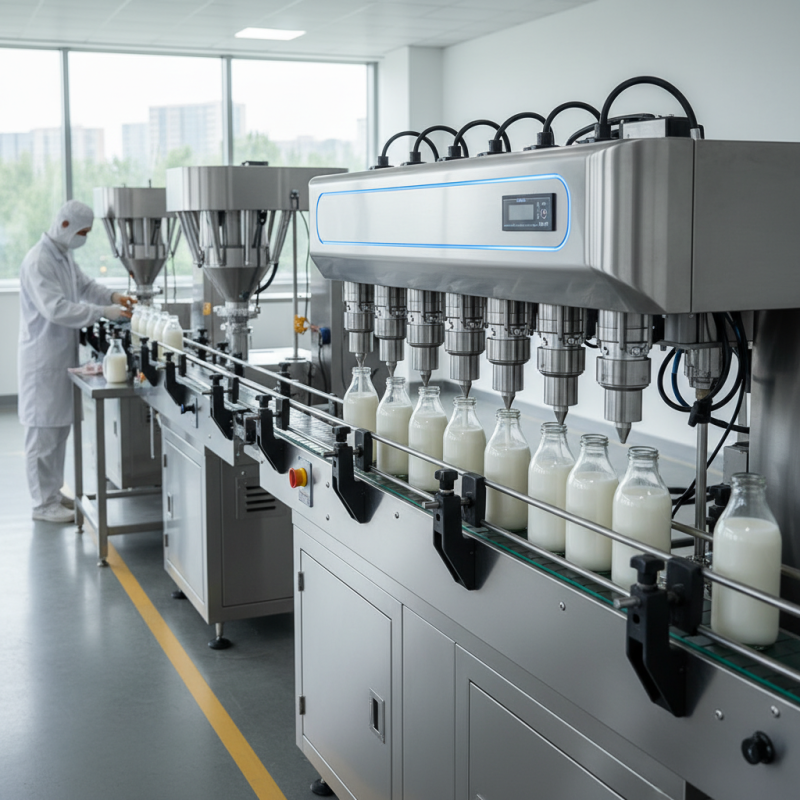
Overview of Piston Fillers: Definition and Functionality
Piston fillers are widely used in various industries for their efficiency in filling liquid products. This equipment operates using a simple mechanism: a piston moves back and forth in a cylinder to draw in and dispense liquid. The filling cycle involves suction and discharge phases, ensuring precise volume control. The ability to handle a variety of viscosities makes them suitable for products ranging from sauces to pharmaceuticals.
According to recent industry reports, the piston filler market is projected to grow significantly, demonstrating a compound annual growth rate of over 5% by 2026. This growth can be attributed to increasing demands for automation in packaging processes. Industries appreciate the improved accuracy and reduced waste provided by these machines. However, users must be mindful of maintenance needs. Regular upkeep can prevent costly downtime and ensure optimal performance.
**Tip:** Check seals and gaskets regularly. Leaks can lead to product loss and contamination. Keep the machine clean to maintain its longevity and efficiency.
For manufacturers, integrating advanced technology into piston fillers can enhance performance. Some models enable easy adjustments for varying fill volumes. Yet, understanding the specific requirements of your production line is crucial. Not all fillers may suit every application, which can lead to inefficiencies. Researching and consulting experts before purchasing can save time and resources.
**Tip:** Evaluate production demands before selecting a filler type. A mismatch can hinder production flow.
Key Features to Consider When Choosing Piston Fillers
When selecting a piston filler, several key factors come into play. One critical feature is the filler’s construction material. Materials such as stainless steel significantly enhance durability and cleanliness. Reports indicate that more than 60% of manufacturers consider material a top priority due to hygiene standards and corrosion resistance.
Another important aspect is the filler’s capacity and speed. A machine that can handle larger volumes while maintaining accuracy is essential for efficiency. According to industry surveys, 75% of manufacturers prioritized filling speed in their purchasing decisions. However, balancing speed with precision is challenging. A rapid filler might overfill or underfill, creating waste and impacting product quality.
Ease of maintenance is another crucial feature. Complex designs can complicate upkeep, impacting production time. Some fillers require specialized tools for repairs, leading to extra costs. Recent data shows that companies spent approximately 10% of their annual maintenance budget on servicing piston fillers. It’s essential to choose a model that simplifies maintenance without sacrificing performance.
Top 10 Piston Fillers for Global Buyers in 2026
This chart displays the filling speed of the top 10 piston fillers expected to be preferred by global buyers in 2026, measured in bottles per minute. Buyers should consider these speeds along with other features when selecting a filler for their needs.
Top 10 Piston Fillers for 2026: A Detailed Comparison
The demand for piston fillers is on the rise. According to market reports, the global piston filler market is projected to reach $1.5 billion by 2026. This growth is fueled by industries such as food, pharmaceuticals, and cosmetics. Piston fillers offer precision and efficiency, making them ideal for these sectors.
In 2026, buyers will have various options in the piston filler market. Each system has unique features, from single-dose capability to automated controls. A detailed comparison reveals that some models feature stainless steel construction for durability. Others focus on ease of cleaning and maintenance, critical for compliance with industry standards.
However, not all piston fillers are created equal. Some may require frequent calibration, which can disrupt production. Buyers must consider the total cost of ownership. Features like energy consumption and downtime should inform purchasing decisions. Evaluating these aspects ensures that companies invest in reliable and efficient machinery.
Market Trends and Innovations Influencing Piston Fillers in 2026
The piston filler market is evolving rapidly. In 2026, several trends will influence this sector. Automation technology is making filling processes faster and more efficient. Manufacturers increasingly adopt smart technologies, allowing real-time monitoring. This shift enhances accuracy in filling, leading to less waste and cost savings for businesses.
Sustainability is another key trend. Companies are focusing on eco-friendly materials and energy-efficient designs. This commitment not only addresses consumer demand but also complies with global regulations. However, some manufacturers struggle to implement these changes effectively. Balancing innovation with ecological responsibility is a challenge that needs careful consideration. Industry leaders must continuously reflect on their production practices to ensure a sustainable future.
Customization remains essential in the market. Diversified consumer needs require adaptable filling solutions. Companies must invest in flexible machinery to cater to these varying demands. Yet, there are drawbacks to consider. Custom solutions can increase production times and costs. Finding a balance is crucial for success in this competitive landscape.
Buyer Recommendations: Selecting the Right Piston Filler for Your Needs
When selecting the right piston filler, understanding your specific needs is crucial. Various factors come into play. Consider the type of liquid being filled. Is it viscous or thin? Each requires a tailored approach for optimal performance. Additionally, evaluate the container sizes you will be using. Some fillers excel with smaller containers, while others handle larger sizes more efficiently.
Cost is another critical aspect. Investing in high-quality equipment may save you money in the long run. Maintenance costs can add up, so choose a unit that’s easy to clean and service. Also, does the filler provide versatility? A machine that adapts to different liquid viscosities might be more beneficial.
Keep in mind that operational training is essential. Staff must understand how to use the equipment effectively. If the filler is difficult to use, it can lead to inefficiencies and wasted product. Before making a final decision, industry reviews can offer valuable insights, but they should be taken with caution. Some reviews may not reflect your specific needs or context. Always seek to align your choice with your production goals.
Top 10 Piston Fillers for Global Buyers in 2026
| Rank | Filler Type | Capacity (ml) | Filling Speed (bpm) | Price Range (USD) | Best For |
| 1 | Manual Piston Filler | 100 - 500 | 15 | 100 - 300 | Small Businesses |
| 2 | Semi-Automatic Piston Filler | 250 - 1000 | 30 | 400 - 1000 | Medium Production |
| 3 | Automatic Piston Filler | 500 - 5000 | 60 | 1000 - 5000 | High Volume Production |
| 4 | Viscous Fluid Piston Filler | 50 - 2000 | 25 | 700 - 2500 | Thick Liquids |
| 5 | Food Grade Piston Filler | 100 - 3000 | 40 | 800 - 3000 | Food Processing |
| 6 | Counter Pressure Piston Filler | 500 - 5000 | 35 | 1500 - 6000 | Carbonated Beverages |
| 7 | Pharmaceutical Piston Filler | 5 - 500 | 20 | 1000 - 3500 | Medicinal Applications |
| 8 | Cosmetic Piston Filler | 30 - 2000 | 45 | 500 - 2500 | Beauty Products |
| 9 | Chemical Piston Filler | 100 - 4000 | 50 | 600 - 2000 | Industrial Applications |
| 10 | High Precision Piston Filler | 1 - 100 | 10 | 1500 - 4000 | Precision Applications |