Top VFFS Machines for Global Buyers in 2026 Solutions?
In the fast-evolving landscape of packaging technology, manufacturers increasingly turn to VFFS machines. These machines offer versatility in packaging various products efficiently. As we approach 2026, the demand for advanced VFFS machines among global buyers is projected to rise. Companies seek solutions that optimize productivity and reduce waste.
The right VFFS machine can significantly impact production lines. However, navigating the options can be overwhelming. Many buyers grapple with choosing the best features for their needs. Some machines may promise high-speed performance but lack durability. Buyers must weigh these aspects carefully.
Emerging trends indicate a shift towards automation and smart technology in VFFS machines. Integrating such technologies could enhance reliability and performance. Yet, vendors must ensure that their support systems are reliable. Balancing innovation with proven technology is crucial for long-term success.
Top Features to Look for in VFFS Machines for 2026 Buyers
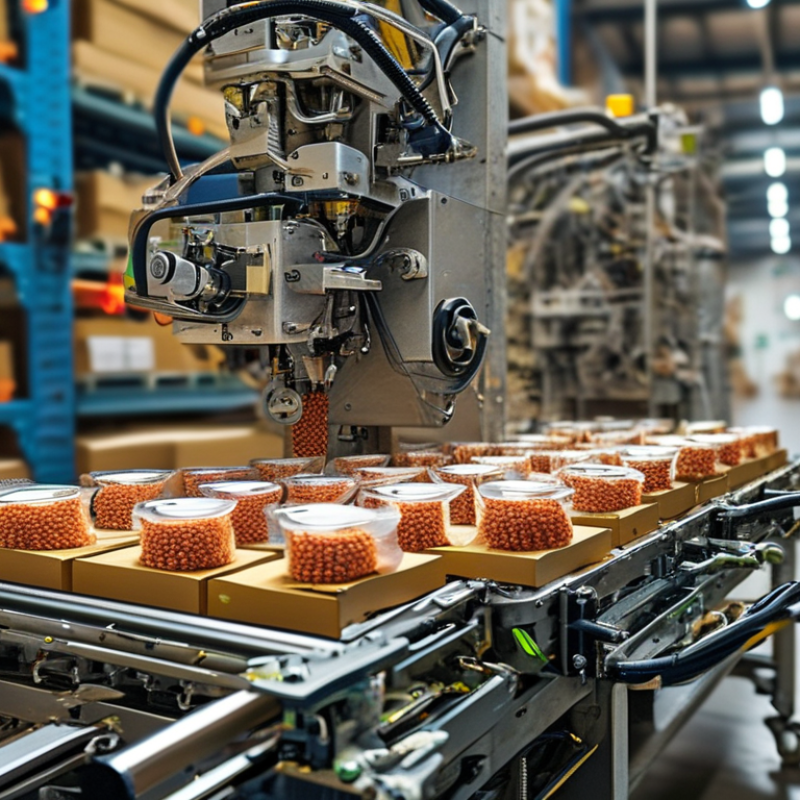
When selecting a Vertical Form Fill Seal (VFFS) machine in 2026, buyers should focus on several key features. The efficiency of packaging speed often plays a crucial role. Reports indicate that machines capable of handling up to 120 bags per minute have gained popularity. Faster packaging reduces labor costs and enhances productivity.
Another important aspect is the machine's flexibility. Buyers need a system that can accommodate a range of pouch sizes and shapes. According to industry analysis, companies that can switch between various formats quickly tend to outperform their competitors. Additionally, ease of changeover is vital. Machines that allow for swift adjustments can lead to significant time savings.
Technology integration is also a priority. As automation becomes more prevalent, look for VFFS machines with advanced sensors and controls. They often provide real-time data on operations, leading to improved maintenance and efficiency. Industry experts suggest that predictive maintenance can reduce downtime by as much as 40%. Balancing these features with cost considerations remains a challenge. A comprehensive assessment can help buyers make informed decisions that align with their production goals.
Top VFFS Machines for Global Buyers in 2026
Comparative Analysis of Leading VFFS Machines in the Global Market
Choosing the right VFFS machine can be challenging. The market offers a variety of options, each with unique features. Some machines excel in speed, while others focus on accuracy. Understanding these differences helps buyers find the best fit.
A comparative analysis reveals key aspects to consider. For instance, the ease of operation often plays a crucial role in user adoption. Many machines offer intuitive interfaces, yet some still require extensive training. Additionally, maintenance costs vary widely. A machine that seems affordable might lead to higher long-term expenses.
Furthermore, sustainability is becoming increasingly important. Green technologies in packaging machinery are on the rise. However, not all manufacturers prioritize eco-friendly designs. Buyers should investigate to ensure their chosen machine aligns with their sustainability goals. Each decision exposes potential risks and rewards. Balancing price, performance, and environmental impact is essential for any global buyer.
Innovative Technologies Shaping VFFS Machines in 2026
The ongoing evolution of Vertical Form-Fill-Seal (VFFS) machines is transforming packaging industries globally. By 2026, it is projected that the VFFS market will exceed $1.5 billion, driven largely by innovation. Technologies such as AI-driven programming and real-time monitoring enhance operational efficiency. According to industry reports, over 70% of manufacturers are exploring automation options to minimize labor costs while increasing output.
Another trend crucial in shaping VFFS machines involves sustainable packaging solutions. In 2026, approximately 40% of consumers prefer eco-friendly packaging. This demand pushes manufacturers to adopt biodegradable and recyclable materials. Yet, many companies struggle with balancing sustainability and cost-efficiency. Experts suggest that investments in R&D are vital for finding solutions that marry these often opposing requirements.
Moreover, user-friendly interfaces and third-party integrations are becoming standard. It's essential to simplify the operation of VFFS machines. Industry surveys indicate that intuitive controls can increase productivity by 25%. However, companies must also address the potential knowledge gap among operators, which can hinder efficiency. Training remains a critical area that needs attention as new technologies emerge.
Key Manufacturers and Their VFFS Solutions for International Buyers
When exploring VFFS (Vertical Form Fill Seal) machines for international buyers, understanding key manufacturers is crucial. These manufacturers offer diverse VFFS solutions, differing in functionality and design. Global buyers need to evaluate their specific packaging needs before selecting a machine. Many companies present innovative technologies, aiming to enhance efficiency and reliability.
Tip: Research how different machines handle various materials. This can indicate performance in real-world applications.
Efficiency and precision are vital for success in packaging. Some manufacturers focus on speed, while others prioritize versatility. Buyers need to balance these factors based on their production goals. It’s essential to stay updated on emerging trends to make informed decisions.
Tip: Attend industry trade shows to gain insights into the latest advancements. Engaging with experts will help clarify potential concerns.
While many machines boast high reliability, not all meet every buyer’s expectations. It’s important to consider after-sales support and spare parts availability. Reflection on user experiences can reveal insights not visible in product brochures. Being aware of potential drawbacks will lead to better long-term investments.
Future Trends in VFFS Machines and Implications for Global Trade
The future of Vertical Form Fill Seal (VFFS) machines is pivotal for the packaging industry. As global demand increases, innovation in VFFS technology is vital. In 2026, advancements in automation and efficiency will drive economic growth. These machines will adapt to diverse product sizes and types. Flexibility in design ensures that manufacturers can meet varying customer needs. This adaptability strengthens competitive advantage in trade.
Sustainability is also a major trend. Eco-friendly materials are gaining traction in packaging. VFFS machines must evolve to accommodate biodegradable films and reduce waste. This shift presents both challenges and opportunities. Companies may struggle with transitioning to new materials. Training staff becomes crucial for minimizing disruptions. However, those leading the charge can enhance their market position.
Moreover, digital connectivity will play a significant role. Smart machines that integrate with industry 4.0 principles will emerge. These machines will track production metrics in real time. Such capabilities can improve efficiency but require a skilled workforce. Businesses must invest in training and upskilling employees. This will be essential for keeping pace with technological advancements. As the landscape changes, successful adaptation will be key.