
Top 10 Types of Packaging Machines You Should Know About?
In today's fast-paced manufacturing world, understanding the various types of packaging machines is crucial for businesses. According to a recent report by Smithers Pira, the global packaging machinery market is projected to reach $45 billion by 2025. This growth emphasizes the importance of selecting the right machine for effective packaging solutions. Industry expert Dr. Emily Carter states, "Choosing the right types of packaging machines can significantly enhance production efficiency."
From horizontal flow wrappers to robotic palletizers, each machine plays a vital role in the packaging line. However, many companies struggle to identify the best options for their specific needs. This often leads to inefficiencies and wasted resources. An informed choice is essential, as different types of packaging machines cater to diverse products.
The evolution of technology presents new challenges and opportunities in the packaging industry. Businesses must stay updated on trends and innovations. Packaging machines must be adaptable to meet changing consumer demands. Balancing cost, efficiency, and sustainability poses ongoing questions for manufacturers.
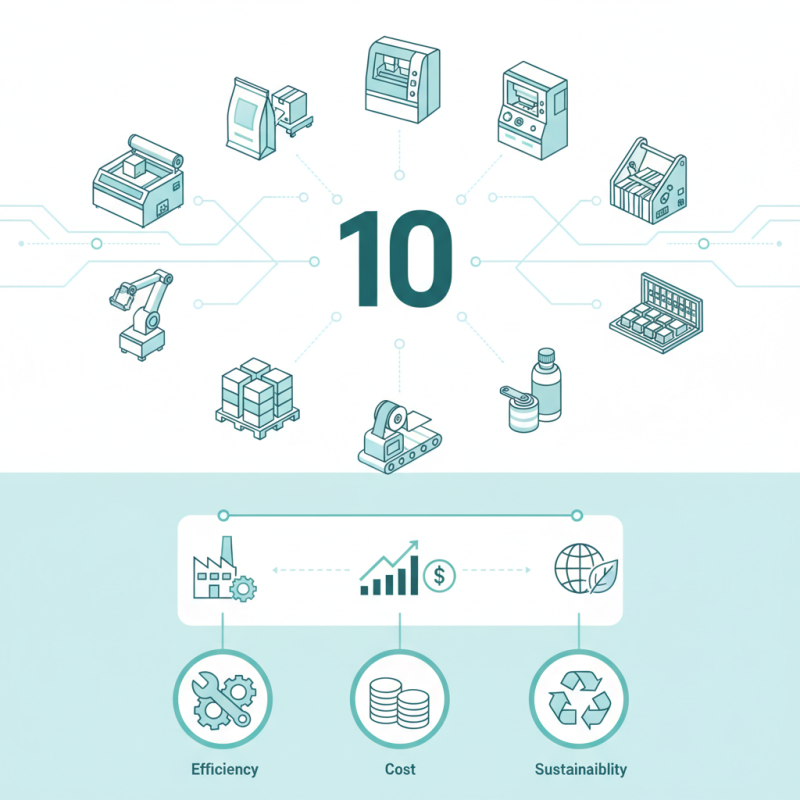
Types of Packaging Machines: An Overview of Their Functions and Uses
When discussing packaging machines, it's essential to understand their broad range of functions. Different types are designed for specific needs. For instance, vertical form-fill-seal machines are great for packaging powders. They efficiently create bags and seal them all in one process. This is ideal for businesses with high production rates.
Another vital type is the cartoning machine. It automates the process of placing products into cartons. This is particularly beneficial for companies that require consistent and high-speed packaging. Consider your production volume when choosing a machine. The right choice can lead to significant time and cost savings.
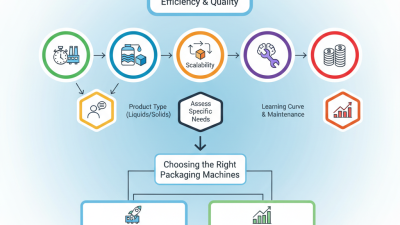
Tips: Assess your product type before investing in a machine. Some machines handle liquids better than solids. Additionally, regular maintenance is crucial. This extends the machine's life and keeps production running smoothly. Lastly, don't overlook the importance of operator training. Proper training minimizes errors and increases efficiency.
Top 10 Types of Packaging Machines You Should Know About
| Type of Packaging Machine | Function | Common Uses | Advantages |
|---|---|---|---|
| Horizontal Form Fill Seal | Forms, fills, and seals product packages | Snacks, granules, powders | High speed, versatile packaging |
| Vertical Form Fill Seal | Forms packages vertically | Liquid products, powders, snacks | Compact design, efficient for liquids |
| Shrink Wrapping Machine | Wraps products in shrink film | Bottles, boxes, multi-pack items | Tamper-proof and attractive display |
| Cartoning Machine | Packs products into cartons | Cereal, pharmaceuticals, beverages | Efficient and suitable for bulk products |
| Filling Machine | Fills containers with products | Liquids, solids, granules | High precision and speed |
| Labeling Machine | Applies labels to products | Bottles, boxes, bags | Enhances brand visibility |
| Sealing Machine | Closes package openings securely | Food, electronics, medical | Preserves freshness and security |
| Stretch Wrapping Machine | Applies stretch film around products | Pallets, large boxes | Stability during transport |
| Blister Packaging Machine | Forms blister packs for products | Pharmaceuticals, electronics | Display and protection of products |
| Pouch Packaging Machine | Fills and seals pouches | Snacks, coffee, pet food | Lightweight and portable |
Conclusion
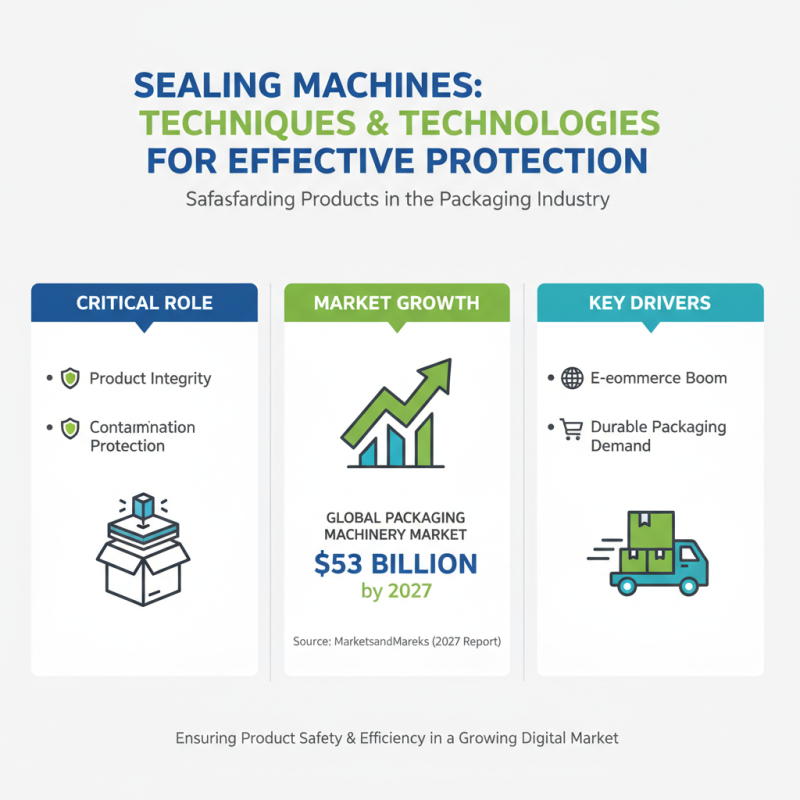
The article "Top 10 Types of Packaging Machines You Should Know About" provides an insightful overview of the various types of packaging machines and their specific functionalities. It highlights the significance of filling machines, which come in various forms to cater to different product applications, ensuring efficiency and accuracy in the packaging process. Additionally, sealing machines are discussed, emphasizing their crucial role in providing effective protection through diverse techniques and technologies.
Furthermore, the article delves into labeling machines, showcasing their importance in product identification and the different types available to meet packaging needs. Wrapping machines are also examined, illustrating their styles and benefits that enhance the overall packaging. Finally, case packing machines are recognized as efficient solutions for bulk packaging needs, rounding out the comprehensive overview of the numerous types of packaging machines essential for modern industries.
Related Posts
-
How to Choose the Right Food Packaging Machine for Your Business Needs
-
Why Your Business Needs an Industrial Packing Machine for Efficiency and Growth
-
2026 How to Choose the Right Types of Packaging Machines for Your Business?
-
Revolutionizing Efficiency: How Automated Packaging Machines Transform Your Production Line
-
10 Best Custom Packaging Machines for Your Business Needs
-
Top 10 Custom Packaging Machines to Boost Your Business Efficiency in 2023