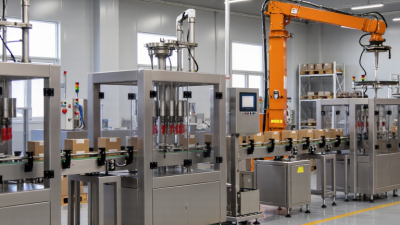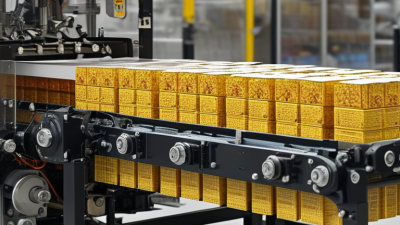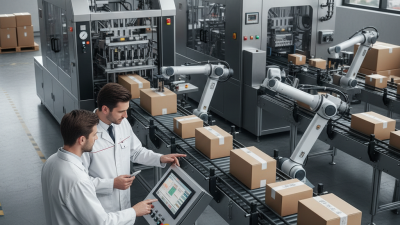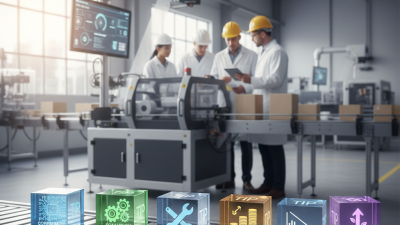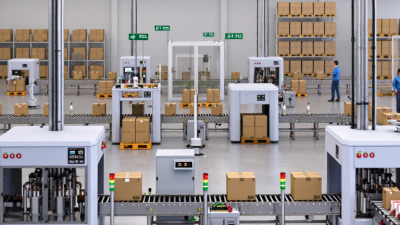
Packaging automation equipment refers to the machines and control systems that move products through packaging tasks. These tasks can include filling, capping, sealing, labeling, inspection, case packing, and palletizing. A typical line might carry bottles on a stainless-steel conveyor, weigh each fill, apply caps, and reject faulty labels. The equipment can operate as individual machines or as an integrated line. Its purpose is not simply to replace manual work. It can also improve repeatability, traceability, and production flow when designed around a product and facility.
The wider shift toward automation is measurable. The International Federation of Robotics reported 541,302 industrial robot installations worldwide in 2023 in its World Robotics 2024 report. That figure covers industrial robots across sectors, not packaging equipment alone, but it shows the scale of industrial automation. For packaging operations, the right system depends on factors such as product fragility, package format, changeover frequency, and available floor space. A fast machine may still create bottlenecks if upstream feeding or downstream palletizing cannot keep pace. That part is easy to overlook.
Packaging automation equipment is not a cure-all. Sensors need calibration, operators need practical training, and line integration requires careful planning. PMMI’s industry research regularly examines packaging machinery, workforce needs, and automation adoption; its findings are useful context, but each plant still needs its own assessment. The best starting point is a clear view of the task, the risks, and the performance measures that matter. Sometimes, a simpler line is the better choice.
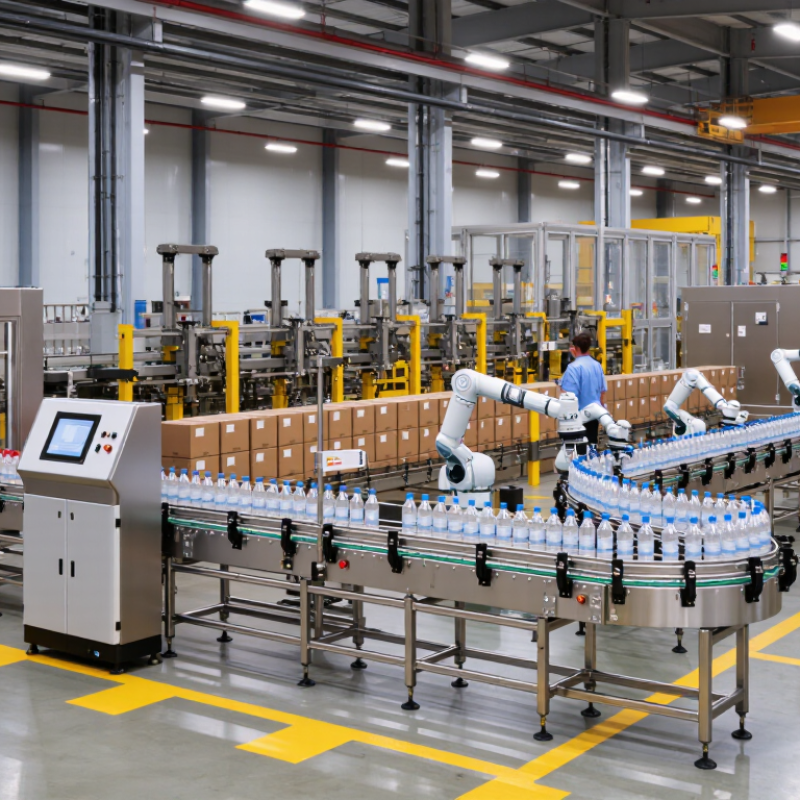
Packaging automation equipment refers to machines and control systems that perform packaging tasks with limited manual handling. These tasks may include filling containers, closing cartons, applying labels, and grouping products for shipment. A line can combine several machines or automate only one step. The right setup depends on product size, package materials, production volume, and available floor space. A small food producer, for example, might automate filling and sealing while keeping visual checks manual.
Its purpose is to make packaging more consistent and reduce repetitive work. Sensors can detect a crooked carton, while a conveyor moves sealed packages toward inspection. Automated equipment may also help teams maintain a steadier output during busy shifts. Still, automation is not a cure-all. Poorly planned changeovers can slow production, and an unsuitable machine may damage delicate packages. Operators need training, routine cleaning, and clear procedures for jams. Real operating conditions sometimes expose assumptions that looked sound on paper.
Tips: Measure products and packaging before choosing equipment. Test with actual materials, not just sample specifications. Record changeover time and common stoppages during a trial. Keep access clear around guards and service points. Small details matter. A label placed a few millimeters off can cause rework, even when the rest of the line runs smoothly.
An automated packaging system connects equipment that moves, fills, closes, labels, and checks products. Each component must match the product’s size, shape, and handling needs. A rigid carton, for example, behaves differently from a soft pouch.
The infeed conveyor brings products to the line at a steady pace. Guides and sensors help space items and detect gaps or jams. A filling or loading machine places the product into its package, while a sealing unit closes it using heat, pressure, adhesive, or another suitable method. Small details matter. A crooked pouch can disrupt sealing, even when the machine settings look correct.
After sealing, a labeling or coding unit adds information to the package surface. Inspection equipment can check for missing labels, poor seals, or incorrect fill levels. A control system coordinates these stations and lets operators adjust settings, monitor faults, and stop the line when needed. Guards and emergency stops also support safer operation. They should remain accessible, not hidden behind cartons or cable runs.
These parts work best when the line is designed around real production conditions, including product changes and cleaning time. A faster conveyor is not always a better one; it may create more jams downstream. Even a well-planned system needs testing with actual products. That step can reveal awkward handoffs that a drawing misses.
Packaging automation equipment turns a series of handoffs into a coordinated line. At the infeed, photoelectric sensors or vision cameras detect each item. A programmable logic controller (PLC) compares those signals with preset timing and commands motors, pneumatic cylinders, or robotic arms. Conveyors space products; filling, wrapping, and case-packing machines handle successive tasks. Timing matters. If one station slows, sensors can flag a growing queue, allowing the controller to pause upstream equipment and help prevent jams.
Near the line’s end, checkweighers and code readers verify package weight and printed information. Reject mechanisms divert items that fall outside set limits. Servo drives help operators adjust speed and format, while guards and interlocks stop motion when access doors open. The International Federation of Robotics’ World Robotics 2024 report recorded 541,302 industrial robot installations worldwide in 2023. That figure reflects broad manufacturing adoption, not packaging alone. In daily operation, performance still depends on steady product presentation, clean sensor lenses, and careful changeovers. Small errors compound. A crooked carton can confuse a vision system, and automation may repeat a poor setup faster. Operators remain essential: they monitor alarms, check settings, and manage safe stoppages. The line is not set and forget.
How Packaging Automation Equipment Works
Automated packaging equipment performs tasks such as filling, labeling, cartoning, and case packing with less manual handling. The ranges shown are indicative examples, not guaranteed machine specifications; actual output depends on the product, package format, and line configuration. Rates use different output units, so they should not be compared directly.
Packaging automation equipment uses powered or programmed machines to handle repeatable packing tasks. Common types include fillers, sealers, cappers, labelers, case packers, and palletizers. A liquid filler measures drinks or sauces into bottles, while a powder filler doses dry products into bags. Sealers close pouches, trays, or cartons using heat, adhesive, or pressure. Cappers tighten lids, and labelers apply product details or tracking codes. Each machine suits particular materials and package shapes.
Case packers arrange finished products inside shipping cartons, often using guides to keep bottles upright. Palletizers stack cartons for storage or transport. Conveyors connect these machines, while checkweighers and vision inspection systems can flag missing items, incorrect weights, or misplaced labels. In practice, a fast machine may still cause jams when package sizes vary. Frequent format changes can also make a partly automated line more practical than a fully automated one.
Tips: Match equipment to your product, packaging material, and expected production rate. Test real packages before choosing a machine. Check cleaning access, changeover time, and operator training needs. Small details matter, and early estimates can be wrong.
| Equipment Type | Primary Function | Typical Applications | Common Components | Typical Automation Level | Operational Benefit |
|---|---|---|---|---|---|
| Automatic Filling Machine | Measures and dispenses a set quantity of product into containers. | Liquids, powders, granules, creams, and pastes packaged in bottles, jars, tubs, or bags. | Product hopper or tank, dosing mechanism, filling nozzles, sensors, and control system. | Fully automatic or semi-automatic, depending on container feeding and line integration. | Improves fill consistency and reduces manual handling and product spills. |
| Capping and Closing Machine | Places and secures caps, lids, or closures on filled containers. | Bottles, jars, and tubs in food, beverage, personal care, and household product lines. | Cap feeder, placement head, tightening or pressing mechanism, and closure sensors. | Often integrated into an automatic conveyor line; compact models may require manual loading. | Supports consistent closure application and helps reduce leaks or loose caps. |
| Labeling Machine | Applies product, information, or identification labels to packages. | Round bottles, cartons, trays, jars, and other containers with flat or curved surfaces. | Label roll holder, dispensing head, applicator, product sensor, and registration controls. | Automatic for continuous lines; semi-automatic for lower-volume operations. | Provides repeatable label placement and supports higher line throughput. |
| Cartoning Machine | Forms cartons, loads products, and closes cartons. | Food products, pharmaceuticals, cosmetics, and consumer goods sold in folding cartons. | Carton magazine, carton erector, loading station, and tuck-in or adhesive closing unit. | Ranges from semi-automatic loading to fully automatic forming, loading, and closing. | Reduces repetitive carton handling and creates uniform retail-ready packs. |
| Case Packer | Loads products or cartons into shipping cases or trays. | Bottles, cans, cartons, bags, and multipacks prepared for distribution. | Product infeed, grouping system, case erector, loading mechanism, and case discharge. | Typically automatic when connected to upstream packaging and downstream sealing equipment. | Speeds up case loading and reduces manual lifting and placement. |
| Case Sealer | Closes and seals filled corrugated cases. | Shipping cartons moving through warehouses, fulfillment centers, and production lines. | Case guides, compression belts, tape heads or adhesive applicators, and sensors. | Semi-automatic models require case flap preparation; automatic models fold and seal cases. | Creates consistent case closures and reduces repetitive sealing tasks. |
| Shrink-Wrapping Machine | Wraps products or grouped items in heat-shrink film and applies controlled heat. | Multipacks, beverage containers, printed materials, and selected retail products. | Film feed, sealing unit, heat tunnel, conveyor, and temperature controls. | Available as manual, semi-automatic, or continuous automatic systems. | Bundles products and provides a close-fitting protective film wrap. |
| Form-Fill-Seal Machine | Forms packaging from rollstock, fills it with product, and seals it in one process. | Flexible pouches, sachets, bags, and selected thermoformed packs for food and other goods. | Film unwinder, forming section, dosing system, sealing jaws, and cutting mechanism. | Usually automatic, with format and dosing options matched to the product and package. | Combines multiple packaging steps in one machine and supports consistent pack production. |
| Palletizer | Arranges cases, trays, or bags into stable pallet loads. | Finished goods prepared for storage, transport, or distribution. | Product infeed, layer-forming area, lifting or robotic system, and pallet handling equipment. | Automatic systems may use conventional layer handling or robotic placement. | Reduces manual stacking and helps build repeatable pallet patterns. |
| Checkweigher | Weighs packages in motion and identifies units outside configured weight limits. | Packaged food, beverages, pharmaceuticals, and other goods with declared net quantities. | Conveyor, weighing sensor, control unit, and optional reject mechanism. | Inline automatic inspection, commonly installed after filling or packing. | Helps monitor package weight consistency and identify out-of-range units. |
Packaging automation equipment helps move products through repeatable packing steps, such as filling, sealing, labeling, and case packing. Food and beverage facilities use it to portion snacks, cap bottles, and wrap trays at steady production rates. A line may include conveyors, checkweighers, and sealers, with settings matched to the product and package material.
Pharmaceutical and personal-care manufacturers use automated systems to fill containers, apply labels, and place products into cartons. These tasks often need careful checks for fill levels, lot details, and package integrity. E-commerce warehouses use equipment to form cartons, add protective material, tape boxes, and print shipping labels. Small workshops may automate only one step, such as applying labels, rather than replacing an entire packing line. That can be the more practical choice. Automation is not always the right fit; frequent product changes can make setup and changeovers more demanding than expected.
Tips: Check package size, product handling needs, and changeover frequency before choosing equipment. Watch a full production run, not just a short demonstration. A few awkward packages can reveal issues that a smooth sample run misses.