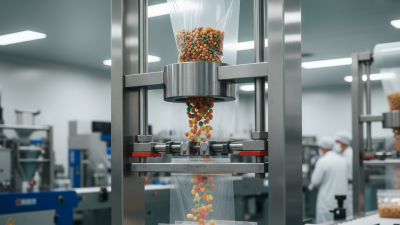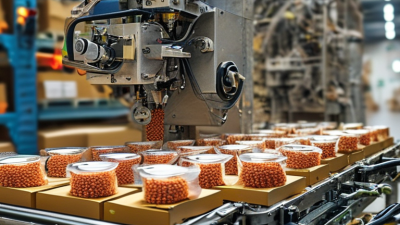
Choosing a vertical form fill seal machine in 2026 is a production decision, not just a catalog comparison. PMMI’s 2024 State of the Industry report puts U.S. packaging machinery shipments at about $10.9 billion in 2023 and projects continued growth. That wider investment reflects pressure to improve output and manage labor constraints. It does not mean every line needs the fastest machine.
A vertical form fill seal machine forms a bag from a film roll, fills it, and seals it in one compact workflow. On a real line, small details matter: powder drifting near the sealing jaws, a film roll change during a busy shift, or a pouch that will not stand neatly on a shelf. Packaging expert Walter Soroka’s commonly cited definition describes packaging as “the science, art, and technology of enclosing or protecting products.” The machine must protect the product and fit the process.
The best choice depends on product behavior, bag style, target speed, and changeover frequency. Ask suppliers to run your actual product and film, then inspect seals, weights, waste, and operator steps. Request measured results. Not brochure speed.
A faster machine may still be the wrong machine if it creates frequent stoppages or difficult cleaning. And a point worth questioning: published market figures rarely tell buyers how a specific machine performs with their product. This guide compares practical criteria, so you can narrow the options with evidence rather than promises.
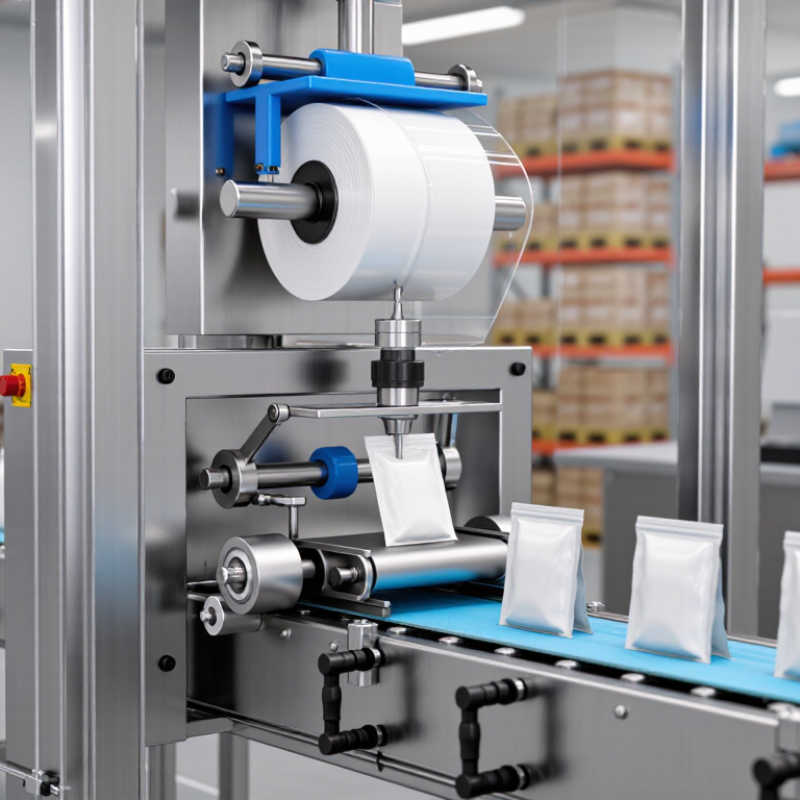
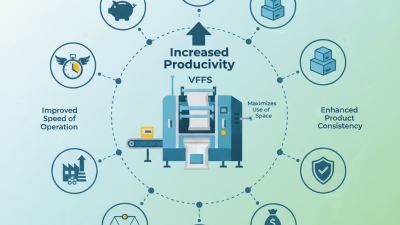
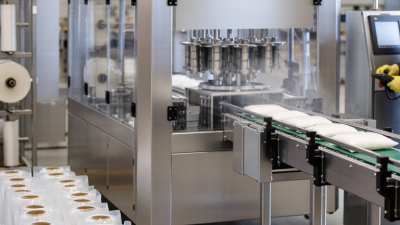
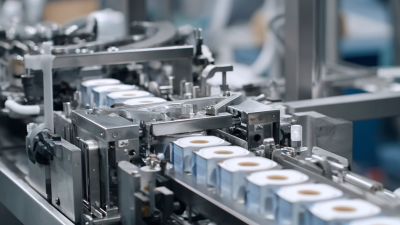
A vertical form fill seal machine turns a flat roll of packaging film into filled, sealed bags. The film travels downward around a forming tube, creating a continuous sleeve. A measured portion of product drops through the tube, and heated jaws seal the package across its top and bottom. The process repeats as the film advances. In a working line, you may hear the jaws cycle and see bags collect beside the machine.
That matters. The system combines bag forming, filling, and sealing in one compact footprint. Depending on the setup, a dosing device may handle powders, granules, liquids, or individual pieces. Film width, seal temperature, product flow, and bag length all affect the finished pack. A small change in product consistency can cause uneven filling or weak seals, so operators typically check samples during production.
Not every product fits the same setup. Sticky material may cling to filling parts, while fragile pieces can break during handling. Before choosing a machine, businesses should test their actual product and packaging film, not rely only on a brochure’s maximum speed. Ask how quickly the machine can be cleaned, how settings are adjusted, and what routine maintenance requires. One detail is easy to overlook: a fast machine is not useful if frequent adjustments interrupt the shift.
A vertical form fill seal machine turns a flat roll of packaging film into filled, sealed bags. Film unwinds from a roll and travels over forming collars, which shape it into a tube around a vertical forming tube. A longitudinal seal closes the tube’s back or side. Then, a set amount of product drops through the forming tube into the open bag.
After filling, heated sealing jaws close the bag’s top and create the next bag’s bottom seal. A cutter separates the finished package. Sensors may track printed marks on the film, helping keep graphics and cut positions aligned. Actual results depend on film properties, product flow, bag dimensions, and machine settings. Even a small change in powder flow or seal temperature can affect consistency. Test runs matter; the first setup may need adjustment.
Tips: Check that the film tracks smoothly and seals evenly before increasing speed. Watch for product caught in the seal area, especially with granular or dusty products. Keep a few sample bags from each trial. They make defects easier to compare.
Vertical form fill seal machines suit different products through their forming tubes, sealing jaws, and filling systems. For powders such as flour, an auger filler helps control dosing and reduce dust. Granules, including rice or dry beans, often pair well with volumetric cups or a multihead weigher. Snacks need gentle handling; a multihead weigher can portion chips while limiting breakage. For sauces, a pump filler and suitable heat-seal settings help create clean, consistent packs. Intermittent-motion machines may suit lower output or products needing careful handling, while continuous-motion models can support faster, steady production.
Tips: Check the product before choosing the machine. Test its flow, bulk density, and tendency to bridge or stick. Bring actual product samples and packaging film to a packaging trial. Watch for crumbs near the seal area, powder dust, or uneven liquid filling. Small details matter.
A machine’s rated speed is only part of the decision. Product changes, film thickness, bag size, and cleaning routines can all affect real output. Ask suppliers for trial results using your own product and target pack weight. Review seal strength and weight variation, not just bags per minute. No selection chart can replace testing, and early estimates can be wrong. Leave room for adjustments.
2026 Best Vertical Form Fill Seal Machine for Your Business?
How to Choose a VFFS Machine for Your Business
Choosing a VFFS machine starts with the product, not the catalogue. Is it free-flowing powder, crisp granules, or fragile pieces? A teaspoon of powder can cling to a forming tube; sharp edges may stress film seals. Test your actual product and packaging material before comparing speeds. Ask for seal-strength checks, changeover demonstrations, and samples from a production run. A showroom test is useful, but it may not reflect a humid shift or dusty floor.
Capacity matters, but published market growth is not a machine specification. Grand View Research estimated the global packaging machinery market at USD 45.89 billion in 2023 and projected a 5.3% compound annual growth rate from 2024 to 2030. That market covers more than VFFS equipment, so treat it as context, not proof that a faster machine fits your line. Calculate required output using your real shift hours, planned downtime, and seasonal peaks.
Check bag sizes, film range, filling accuracy, and integration with scales, printers, and conveyors. Ask how long routine changeovers take, and whether operators can reach cleaning points without awkward tools. Spare parts and local service response can matter more than a small speed advantage. The overlooked detail? Your current line layout. Measure ceiling clearance and floor space before signing. A tidy spreadsheet still misses things. Run a factory acceptance test with your own product, then document agreed performance limits; no test removes every production surprise.
| Selection Factor | Common Options or Planning Range | Best Suited For | What to Check Before Buying |
|---|---|---|---|
| Operating motion | Intermittent motion: film pauses during sealing. Continuous motion: film moves while sealing. | Intermittent motion suits many standard applications and simpler changeovers. Continuous motion can suit higher-output lines and products that tolerate faster handling. | Compare the machine’s demonstrated speed using your product, film, bag dimensions, and sealing requirements—not an unloaded or best-case speed. |
| Indicative production speed | As an initial planning guide, intermittent machines may run around 20–80 bags per minute; continuous-motion machines may run around 60–200 bags per minute. | Lower- to medium-volume lines may prioritize flexibility; higher-volume lines may benefit from continuous motion or additional lanes. | Actual output depends on product flow, bag size, film, dosing equipment, operator tasks, and required quality checks. Ask for a product trial and sustained run data. |
| Number of lanes | Single-lane machines form one bag at a time. Multi-lane machines form several smaller bags in parallel. | Single lane suits a wide range of products and larger bags. Multi-lane systems can increase output for small, repeatable portions. | Check lane-to-lane fill accuracy, film tracking, changeover time, cleaning access, and whether the dosing system can supply every lane consistently. |
| Bag style | Common formats include pillow, gusseted, flat-bottom, and quad-seal bags; availability depends on machine configuration. | Pillow bags suit many everyday packaged goods. Gusseted or flat-bottom formats can provide more volume or a stand-up presentation. | Confirm the required bag style, dimensions, seal layout, appearance, and any zipper or fitment needs. Not every VFFS machine supports every format. |
| Product characteristics | Typical product groups include free-flowing granules, powders, snacks, frozen pieces, and some non-food items. | Product type determines the suitable combination of forming tube, dosing equipment, product-contact surfaces, and dust or spill controls. | Assess flowability, particle size, bulk density, fragility, dust, oil, temperature, and tendency to bridge or stick. Test representative product samples. |
| Filling system | Common choices include multihead weighers, linear weighers, auger fillers, volumetric cups, and liquid pumps. | Weighers often suit solid pieces or granules; auger fillers commonly handle powders; pumps are used for many liquids and pastes. | Match the filler to target weight, product behavior, accuracy requirements, sanitation needs, and desired changeover process. |
| Film and sealing | Many machines use heat-sealable flexible rollstock. Film structures vary in barrier, stiffness, sealability, and recyclability. | The right film depends on shelf-life needs, product protection, packaging appearance, and the available sealing system. | Verify film width, roll diameter, thickness, sealant layer, sealing temperature window, and compatibility with the machine. Test the intended film before approval. |
| Bag dimensions and changeovers | Usable bag width and length depend on the forming tube, machine frame, film width, and product volume. | Frequent product or format changes favor accessible adjustments and stored recipes; long production runs may prioritize dedicated tooling. | List the smallest and largest required bags, expected changeover frequency, tooling cost, and time needed to return to a validated seal and fill setting. |
| Seal and quality controls | Options may include temperature monitoring, registration marks, checkweighing, metal detection, and seal inspection. | Useful wherever package consistency, traceability, food safety, or reduction of rejects is important. | Specify inspection and reject requirements, data recording, alarm handling, and integration with upstream and downstream equipment. |
| Hygiene and environment | Machine construction and protection levels vary; washdown suitability is not automatic. | Food, wet, dusty, or corrosive environments may require application-specific materials and protective design. | Confirm cleaning method, product-contact material requirements, dust extraction, guarding, and whether the machine is explicitly designed for the intended environment. |
| Line integration | A VFFS line may include product feeding, dosing, bagging, inspection, coding, case packing, and conveying. | Businesses adding packaging capacity or replacing a machine within an existing production line. | Check available floor space, ceiling height, electrical supply, compressed air, discharge height, controls communication, and total line throughput. |
| Total cost of ownership | Consider purchase price alongside tooling, film waste, spare parts, maintenance, energy, labor, and planned downtime. | All businesses comparing equipment over its expected service life. | Request a documented quotation, recommended spare-parts list, warranty terms, training plan, service response details, and estimated changeover and maintenance requirements. |
Planning note: Speed figures are broad, indicative ranges rather than guaranteed specifications. Confirm performance through a test using the intended product, bag format, film, and filling system.
Choosing a vertical form fill seal machine is less about the lowest quote and more about the cost of a dependable production day. Compare purchase price with installation, tooling, training, film waste, and utility use. Ask for an itemized estimate. Small costs add up. Include the cost of change parts if your products use different bag sizes.
Maintenance affects both budgets and schedules. Check how quickly operators can reach sealing jaws, film paths, and wear components. Ask about recommended service intervals, spare-part availability, and remote support response times. A machine that is easy to clean may reduce downtime between runs. Still, “easy” depends on your team and product. Watch a maintenance task during a demonstration.
Production capacity should match actual demand, not just a headline speed. Request a trial using your film, fill weight, and target bag size. Record good packs per minute, changeover time, and reject rates. Then compare the results with your busiest shift. Leave room for growth, but avoid paying for speed you rarely use. One awkward detail: real output can fall when an operator is learning or film tension needs adjustment. Build that uncertainty into your estimate.