7 Best Bagging Machines for Small Businesses?
Choosing a bagging machine is less about chasing the fastest specification and more about finding a reliable fit for your product, staff, and daily volume. A small bakery filling stand-up pouches has different needs from a workshop packing screws into clear poly bags. Product shape, bag material, target weight, sealing method, and available floor space all affect the right choice. So does cleaning time. That detail is easy to overlook.
Packaging-equipment specialist Maya Chen puts the buying principle this way: “The best machine is the one your team can run consistently, not just the one with the highest rated speed.” Treat that as a useful decision rule, not a substitute for checking a manufacturer’s specifications. Ask vendors to demonstrate your actual product and packaging. Watch how operators load bags, clear jams, adjust settings, and verify filled weights. A smooth demo matters. So does the awkward changeover.
This guide compares seven bagging machine options suited to small businesses, from simple tabletop fillers to more automated systems. It considers operating pace, flexibility, footprint, learning curve, and likely maintenance needs. The comparison cannot predict every shop’s results; products and operators vary. That uncertainty deserves attention. A lower purchase price may still mean slower packing or more hands-on work. Before choosing, list your real daily output and the package sizes you expect to use. Then compare the machines against those needs—not against an impressive number on a sales sheet.
How Bagging Machines Support Small Business Operations
7 Best Bagging Machines for Small Businesses?
How Bagging Machines Support Small Business Operations
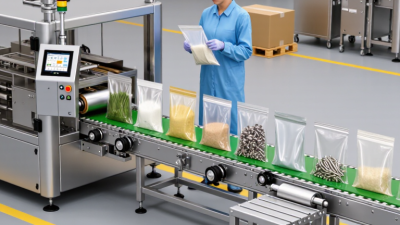
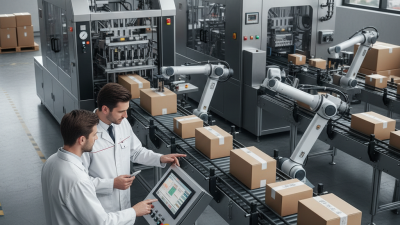
For a small business, a bagging machine can make packing more consistent without taking over the whole workflow. An operator can feed products, check the seal, and refill materials while the machine forms or closes bags. On a busy afternoon, that can mean fewer loose seals and less time spent hand-folding each package. Small details count. Choose equipment around the product’s size, bag material, and daily volume, not just its advertised speed. A machine that runs too quickly for the available workspace can create jams and extra handling.
Automation is growing, but it is not an automatic saving. The International Federation of Robotics reported 541,302 industrial robot installations worldwide in 2023; that figure signals broader adoption, not proof that every small business needs automation. Packaging waste is also a practical consideration: the U.S. EPA’s 2018 Advancing Sustainable Materials Management report estimated that containers and packaging made up 28.1% of U.S. municipal solid waste. A correctly sized bag and controlled filling may help avoid unnecessary material, though results depend on product and setup. There’s a catch. Staff still need time for setup, cleaning, and basic troubleshooting. Before buying, compare labor hours, bag waste, and packing errors over several weeks. The tally may be imperfect at first. That is useful information, too.
How Bagging Machines Support Small Business Operations
Indicative bagging throughput by automation level
More automation can increase output and reduce repetitive handling, helping small businesses match equipment to demand as they grow. These broad planning ranges are not guaranteed production rates; actual throughput depends on the product, bag size, operator, and machine setup.
Key Features to Compare Before Choosing a Bagging Machine
Choosing among the 7 best bagging machines for a small business starts with the product, not the advertised speed.
Measure your usual fill weight, bag width, and largest package. Then check whether the machine handles your bag material and seals it consistently. A unit rated for 30 bags per minute may run slower with a bulky product or frequent size changes. Ask for a live test using your own product. Small details matter: Can one operator refill the film roll safely? Are the controls clear during a rushed shift?
Fit matters more.
Compare changeover time, cleaning access, maintenance needs, and floor space alongside purchase price.
PMMI’s 2023 State of the Industry report valued U.S. packaging machinery shipments at about $10 billion in 2022, reflecting substantial investment across the sector. That figure is not a guide to small-business budgets, but it reinforces the need to compare practical operating costs.
Estimate film use, labor time, and expected service needs over a year. Get written figures where possible. A supplier’s speed claim may not match your product; I would treat it as a starting point, not a promise. Also check available power, air requirements, and the time needed to train a backup operator.
A lower-cost machine can become an expensive bottleneck if common bag sizes require repeated adjustments.
Seven Bagging Machine Options for Small Businesses
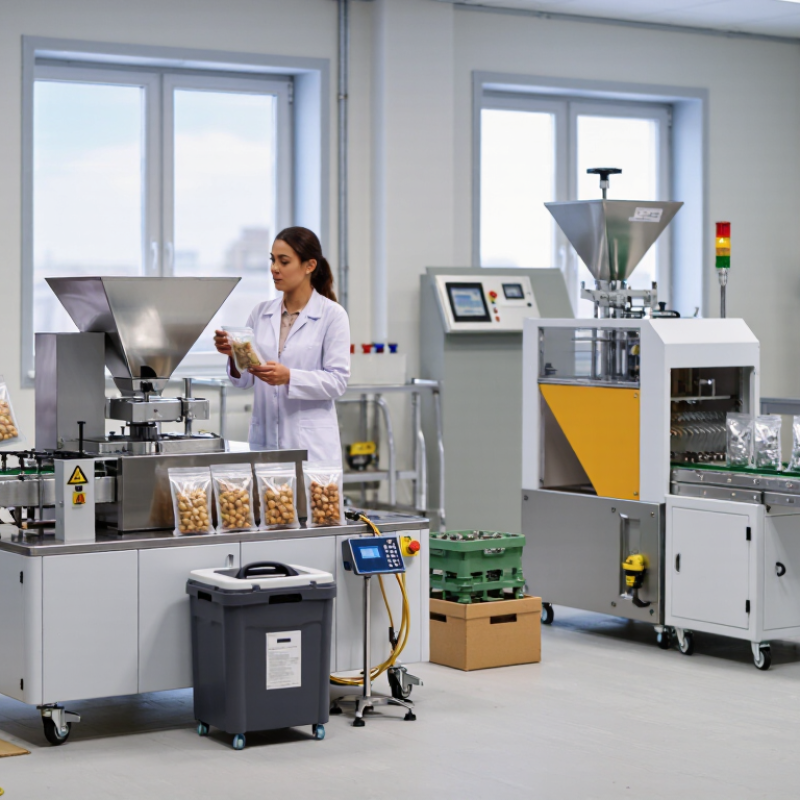
Small businesses rarely need the fastest line on the market. They need steady portions, manageable changeovers, and equipment that fits the available floor space. A manual weigh-and-fill station is a low-cost starting point for varied products and short runs. It relies on an operator, so output can fluctuate. A tabletop net-weigh filler automates portioning into bags and suits dry goods such as beans or hardware. A volumetric cup filler is simple to operate, but irregular product sizes can affect fill accuracy.
An auger filler handles powders, from flour-like ingredients to fine granules, with less dust when paired with a suitable hopper and bag clamp. It may need careful adjustment when product texture changes. A semi-automatic open-mouth bagger holds larger bags for filling; the operator positions and removes each bag. Useful for bulk products. A vertical form-fill-seal machine makes bags from a roll of film, fills them, then seals them. It saves packaging space, though setup can feel demanding for very short runs.
A premade-pouch filling and sealing machine works with ready-made pouches, often with a polished shelf appearance. It can cost more per package than roll-film equipment. Before choosing, test the actual product and bag, not just the machine’s sample material. Check how quickly operators can clean contact parts and switch sizes. Those details are easy to overlook, and they can consume an afternoon.
How the Leading Bagging Machines Differ in Performance
For a small business, bagging-machine performance is more than bags per minute. It also means reliable seals, quick changeovers, and manageable operator attention. A vertical form-fill-seal machine makes bags from roll stock, which can reduce packaging-material costs but requires setup for each film and product. A pre-made pouch machine handles finished bags and can suit frequent product changes, though the pouches may cost more. Semi-automatic weigh-fill systems offer flexibility for short runs. Fully automatic lines can reduce repetitive handling, but only when output is steady enough to justify their footprint and setup.
Material choice matters. The Flexible Packaging Association’s 2023 industry report valued U.S. flexible-packaging sales at about $42.9 billion in 2022, reflecting the scale of formats that equipment may need to handle. That figure does not tell you which machine is fastest. Compare quoted speeds using your actual bag size, fill weight, and product; a powder, a handful of parts, and a sticky snack behave differently. A neat catalog number can mislead. Ask suppliers for a trial using your film, then inspect seal consistency and product loss across a full run. Track changeover time, too. Small operators often overlook it, and I would not assume a faster machine is automatically the better buy.
Matching a Bagging Machine to Your Products and Workflow
A bagging machine should fit the product before it fits the budget. For powders, compare auger fillers; for loose pieces, weigh-fill systems can handle changing item sizes. Liquids need equipment designed for clean, controlled filling. A vertical form-fill-seal machine may suit steady output, while a semi-automatic unit can be easier to justify for short runs. Small batches matter. Check bag width, seal type, changeover time, and cleaning access against the products you actually sell.
PMMI’s 2023 State of the Industry report put U.S. packaging machinery shipments at about $10.9 billion in 2022, reflecting a substantial equipment market—not proof that a small business needs a high-speed line. Ask suppliers for a trial using your own product and bags. Record fill accuracy, rejected seals, and changeover time. I’d still be cautious about relying on a brief showroom demo; real product flow can behave differently.
Tips: Bring several sample bags and enough product for repeated runs. Measure your usual batch, not just your biggest order. Ask how operators clear jams and clean product-contact parts. A cheaper machine may cost more in labor if each format change takes too long.