
How to Choose an Automatic Bagging Machine?
Choosing an automatic bagging machine starts with the product, not the machine’s advertised speed. A fine powder behaves differently from loose screws, fresh produce, or a stack of small parts. Bag width, opening style, material, and target weight all affect the setup. A sample of your product and packaging can reveal issues that a brochure may not mention.
Think about the full workday. How many bags must the line fill per minute? Will one operator load products, or will the machine connect to a scale, conveyor, or sealer? Check changeover time, adjustment access, and the space around the equipment. A machine that fits on paper may crowd a busy packing area. Small details matter.
Ask suppliers how performance was tested and whether the test used products like yours. Request clear information on output, bag dimensions, supported materials, maintenance tasks, and available service. Confirm what is included in the quote; optional feeders and printers can change the total cost. If possible, run a product trial and inspect filled bags for consistent weight, clean seals, and reliable opening. It is not glamorous, but a trial can prevent an expensive mismatch.
There is no single best automatic bagging machine for every operation. The right choice depends on product behavior, packaging requirements, staffing, and room to grow. A little uncertainty is normal. Compare practical evidence, not just headline speed, and note which assumptions still need testing. That honest check may lead to a better decision.
Understanding Automatic Bagging Machines and Their Main Types
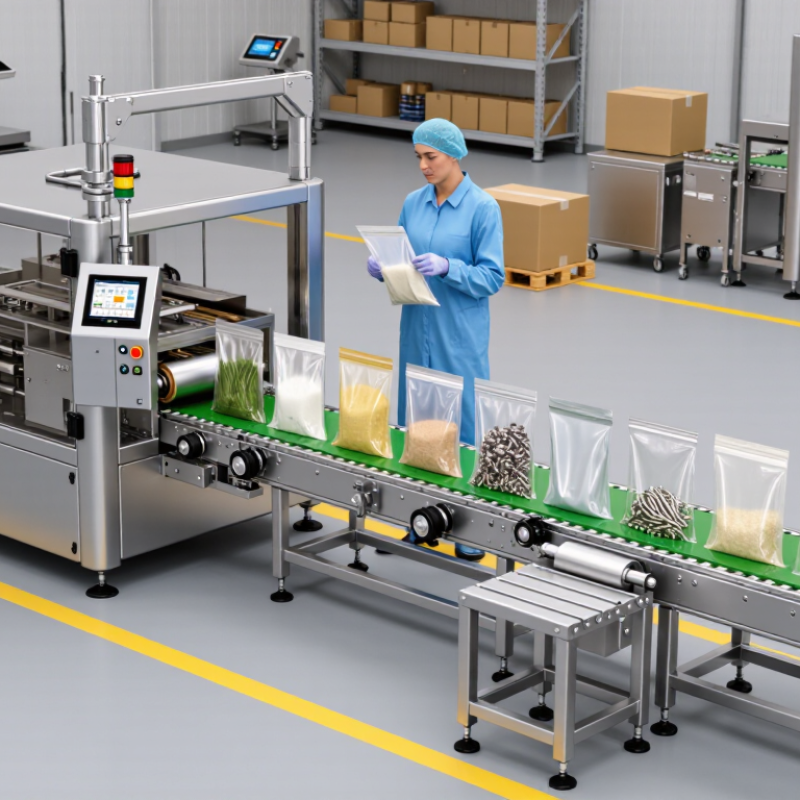
An automatic bagging machine fills and closes bags with less manual handling. Its basic sequence may include feeding a bag, measuring a product, filling it, and sealing or closing the package. The exact steps depend on the machine and bag style. The difference matters. A vertical form-fill-seal machine makes bags from a roll of film, then fills and seals them. It often suits powders, grains, and other free-flowing products. A pre-made pouch machine opens finished bags before filling, which can work well for products sold in stand-up pouches.
Open-mouth baggers handle larger bags that are filled from the top and then closed by sewing or heat sealing. They are common for heavier materials, such as feed or granular products. Each type has trade-offs. A form-fill-seal system may reduce packaging material handling, while pre-made pouches can offer more shape options. Not always. Product behavior matters: dusty powder may need controlled filling, while fragile pieces can be damaged by rough drops. When comparing machines, check bag dimensions, fill-weight range, changeover time, and how the equipment handles your actual product. A neat catalog description can hide setup work. Request a trial with representative material, and observe spills, seal quality, and operator adjustments. The best fit is not simply the fastest machine; it is one that runs consistently with your bags and production routine.
How to Choose an Automatic Bagging Machine? — Understanding Automatic Bagging Machines and Their Main Types
| Machine Type | Bag Format | Typical Products | How It Works | Key Advantages | Important Considerations | Common Applications |
|---|---|---|---|---|---|---|
| Open-Mouth Bagging Machine | Pre-made bags with an open top | Grains, seeds, feed, fertilizer, powders, and granules | A bag is positioned under a filling spout, filled by weight or volume, then closed by sewing, heat sealing, or another suitable method. | Works with many bag materials and product types; can be configured for different filling and closing methods. | Requires a supply of pre-made bags. Product dust, flow characteristics, and bag material affect filling and closure choices. | Agriculture, food processing, chemicals, and building materials |
| Valve Bag Filling Machine | Pre-made bags with a filling valve | Fine powders and other products that can be conveyed through a filling nozzle | A filling nozzle enters the bag valve and delivers product, often using air, an impeller, or gravity. The valve may close through product pressure or be sealed separately. | The filling opening is relatively small, which can help limit spillage and dust when the bag and product are correctly matched. | Bag valve dimensions and product flow must suit the filling system. Some bag-and-product combinations need an additional valve-sealing step. | Cement, dry mortar, mineral powders, and chemical powders |
| Form-Fill-Seal (FFS) Bagging Machine | Bags formed from a roll of plastic film | Free-flowing granules, pellets, and some powders | The machine forms a bag from film, fills it, and seals it within an integrated production process. Vertical and horizontal configurations are available. | Automates bag formation, filling, and sealing; roll-fed film can reduce the need to handle pre-made bags. | Film type, sealability, product dust, and bag dimensions must be compatible with the machine. Changeovers and film handling should be assessed. | Pet food, fertilizer, resin pellets, and other bulk products |
| Pre-Made Pouch Filling Machine | Pre-made pouches, including flat or stand-up styles | Food, snacks, powders, granules, and selected non-food products | The machine picks up and opens a pouch, doses the product, and closes the package, commonly by heat sealing. | Supports pouch designs that can provide shelf appeal and convenient opening or resealing features when the pouch is designed for them. | Pouch dimensions, material structure, zipper features, and opening behavior can affect handling and sealing performance. | Packaged foods, pet treats, household products, and personal-care items |
| Bulk Bag (FIBC) Filling Machine | Large flexible intermediate bulk containers, commonly called bulk bags or FIBCs | High-volume powders, granules, pellets, and agricultural products | A bulk bag is suspended or supported at a filling station, connected to a filling spout, and filled to a target weight. Optional equipment may support bag handling and dust control. | Packages large quantities in a single container, reducing the number of individual packages handled downstream. | Requires suitable floor space, lifting or support arrangements, and compatible bag loops and filling connections. Dust control and safe handling are important. | Chemicals, minerals, plastic resins, grains, and construction materials |
| Net-Weigh Bagging Machine | Typically pre-made open-mouth bags; compatible formats depend on the system | Products that can be accurately portioned by weight, including granules and many powders | A weighing system measures a target quantity before or during discharge into the bag, depending on the machine design. | Provides weight-based portioning and can be integrated with bag placement, filling, and closing equipment. | Accuracy depends on product flow, weighing setup, vibration, and the selected feed method. Product testing helps establish suitable settings. | Food ingredients, seeds, feed, chemicals, and industrial materials |
Related Posts
-
Revolutionizing the Food Industry How Food Packaging Machines Enhance Freshness and Sustainability
-
What is a custom packaging machine and how does it work?
-
Top 5 Tips for Choosing the Right Packaging Machine
-
How to Choose a Custom Packaging Machine?
-
7 Tips for Choosing an Industrial Packing Machine
-

2026 Top Bagging Machine Types for Global Buyers?