2026 Best Filling Machine Options for Global Buyers?
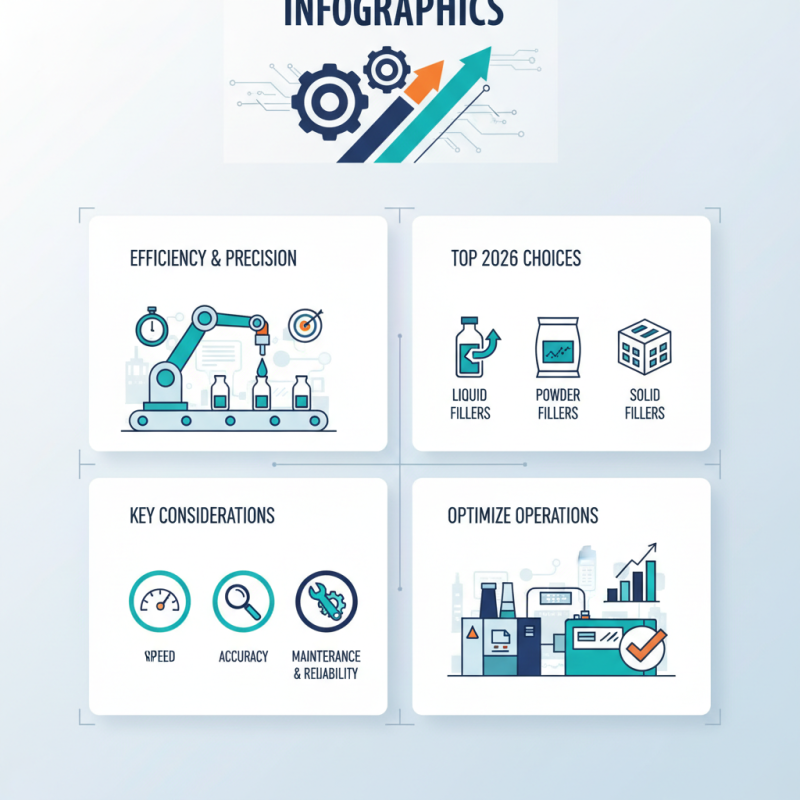
In the fast-paced world of packaging, choosing the right filling machine is crucial for manufacturers. The rising demand for efficiency and precision drives the search for the best filling options. This article explores the top filling machine choices for 2026, focusing on their unique features and functionalities.
Global buyers want machines that enhance productivity. Many options exist, but not all meet the diverse needs of industries. Some filling machines excel in speed, while others prioritize accuracy. Understanding these differences helps buyers make informed decisions.
As technology evolves, innovative filling machines emerge. However, some machines may fall short in reliability or maintenance. It’s essential to evaluate each choice critically. This exploration aims to guide buyers through the complexities of selecting a filling machine that truly fulfills their requirements. With the right machine, businesses can optimize their operations and ensure product quality.
Overview of Filling Machines: Types and Applications
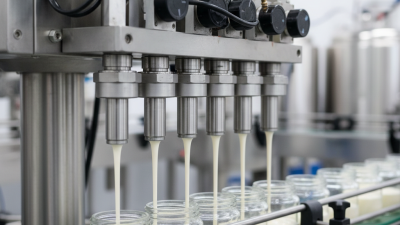
Filling machines play a crucial role in various industries. They are essential for packaging liquids, powders, and granules. Different types of filling machines cater to specific needs. For example, volumetric fillers dispense a predetermined volume of product into containers. This ensures accuracy and consistency in every fill.
Another popular type is the gravity filler. It relies on gravity to fill containers. This method suits less viscous liquids. However, it may struggle with thicker substances. A user might need to monitor the fill level closely. This can lead to variability, which is not ideal for brands aiming for precision.
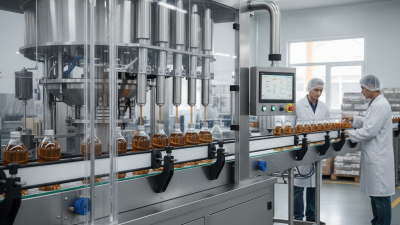
Understanding the specific application is vital when selecting a filling machine. Some machines are designed for high-speed production, while others excel in small batch sizes. A machine's compatibility with various container types also matters. Operators must regularly maintain machines to ensure they function correctly. Ignoring maintenance can lead to inefficiencies and lower output quality.
2026 Best Filling Machine Options: Market Overview
Key Features to Consider When Selecting a Filling Machine
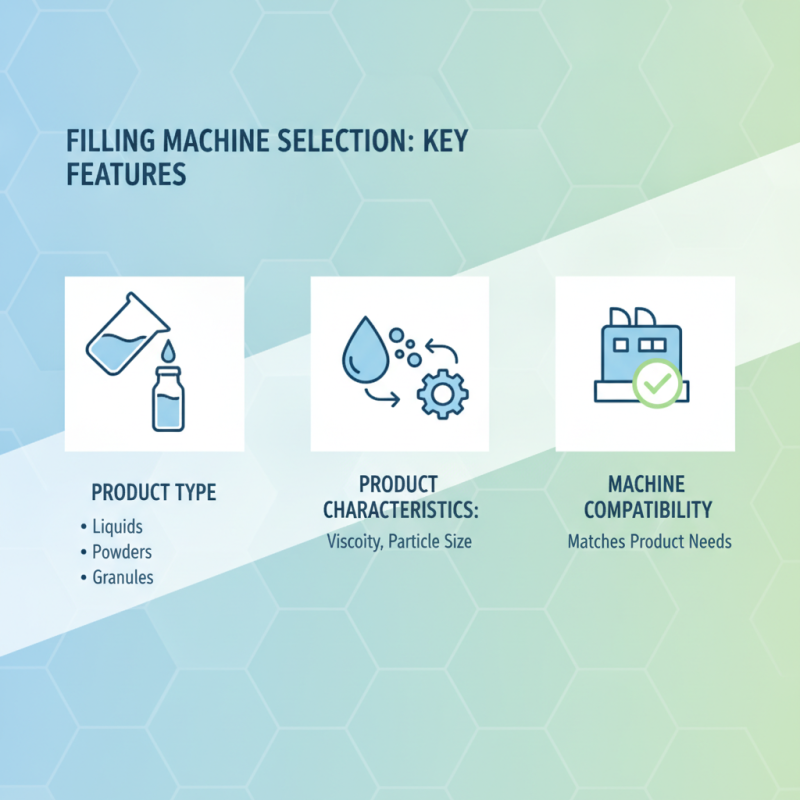
When selecting a filling machine, several key features should be taken into account. First, consider the type of product being filled. Liquids, powders, or granules each require different machines. Understanding your product’s characteristics is crucial. For instance, viscosity and particle size play a significant role in machine compatibility.
Another important factor is the machine's speed. A high-output environment needs machines that can handle rapid filling without sacrificing accuracy. Speed and precision should work hand in hand. Also, think about the machine's ease of cleaning. Hygiene is vital, particularly in food and pharmaceutical industries. Machines that are easy to disassemble and clean are advantageous.
Moreover, assess the machine’s adaptability. Industries are dynamic, and filling requirements may change. It’s worth reflecting on whether the machine can be upgraded or modified easily. Lastly, consider the support and training options available. Proper support can enhance machine utilization, but this aspect is often overlooked. Be sure to weigh the importance of these features based on your specific needs.
Top Brands and Manufacturers of Filling Machines for 2026
In 2026, the filling machine industry is poised for transformation. Buyers are looking for reliable solutions while keeping efficiency in mind. Numerous brands are focusing on technological advancements, offering machines with enhanced speed and accuracy. Experience matters; manufacturers with years in the field often provide better support and service.
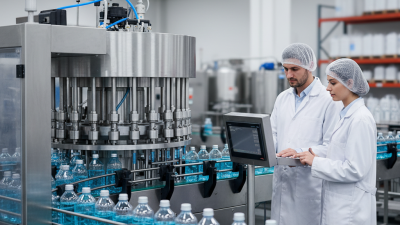
The market is diverse, catering to sectors like food packaging and pharmaceutical filling. Each application has unique requirements. For example, food filling machines often prioritize hygiene and speed, while pharmaceutical options focus on precision. It can be challenging to navigate these varying demands. Buyers must weigh features such as automation, scalability, and maintenance needs.
Several emerging brands are making waves with innovative designs. However, it's crucial to assess the long-term reliability of these machines. Sometimes, new models lack user-friendly support or have teething issues. Buyers should seek user reviews and thorough demonstrations. Thorough research is essential to avoid costly mistakes down the line.
Market Trends Influencing Filling Machine Choices Globally
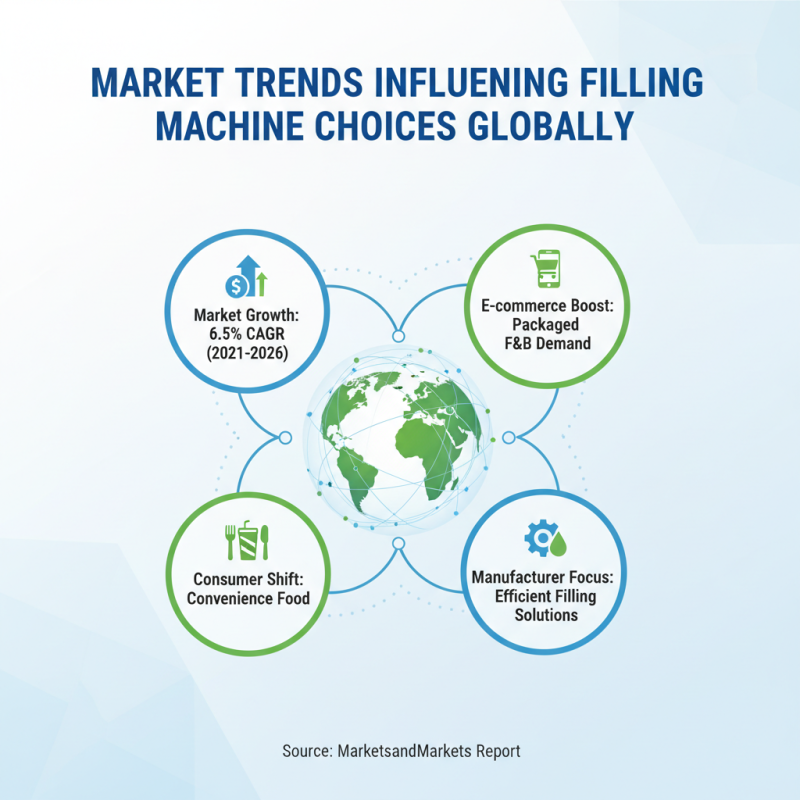
The global filling machine market is evolving, influenced by various market trends. According to a recent report by MarketsandMarkets, the filling machine sector is projected to grow at a CAGR of 6.5% from 2021 to 2026. This growth is driven by increasing demand for packaged food and beverages, especially with the rise of e-commerce. Consumers now prefer convenience, which urges manufacturers to explore efficient filling solutions.
Sustainability is another critical factor shaping choices. Many companies are transitioning towards eco-friendly materials and production methods. The Shift to recyclable and biodegradable packaging is noticeable. For instance, a study from Grand View Research highlights that 70% of consumers favor brands that prioritize sustainable practices. This influences manufacturers to invest in advanced filling technologies that support sustainable packaging.
Another trend is automation. As labor shortages continue, more companies are adopting automated filling machines. According to a report by Research and Markets, the automated segment is expected to capture about 40% of the market share by 2026. However, implementing such technology requires substantial investment and expertise. Companies must weigh the benefits against potential operational challenges. As the landscape changes, being proactive in these trends is essential for success.
Cost Analysis and Budgeting for Filling Machine Purchases
When considering filling machine purchases, cost analysis is crucial. The initial investment can vary greatly depending on the machine type and features. An entry-level machine may cost less, while a fully automated option will require a larger budget. This variance affects how companies allocate funds.
Budgeting for a filling machine involves more than just the price tag. Maintenance costs must be considered over time. Some machines might seem affordable but have high operating costs. It's essential to analyze all associated expenses. Finding reliable suppliers who offer good warranties can save money in the long run.
Understanding your production needs is vital. Will you fill liquid, powder, or paste? Each product type requires different machinery, which impacts budgeting. Evaluating capacity needs ensures you invest in a machine that meets production demands. This foresight prevents overspending on equipment that may not be necessary.
Investing in training for your staff can also affect overall costs. Training can lead to better efficiency and lower error rates, saving money over time. Balancing these factors can be challenging but is critical for sustainable operations.