2026 Best Food Packaging Equipment for Global Buyers?
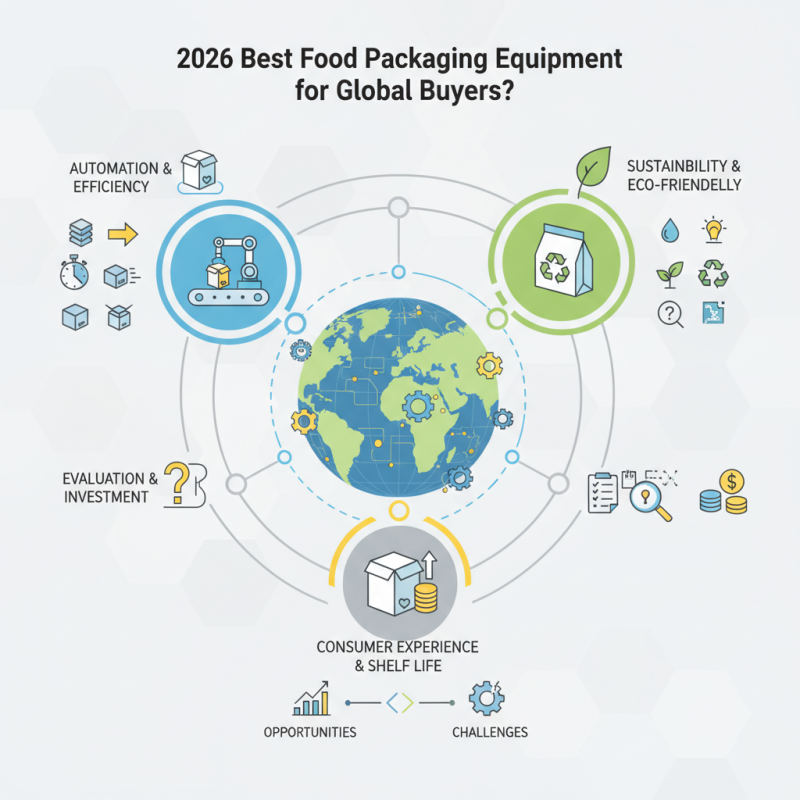
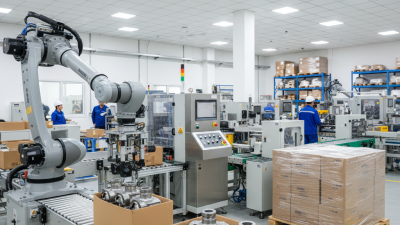
In the fast-evolving world of food packaging equipment, buyers face numerous choices. With increasing demand for efficient and sustainable solutions, selecting the right technology is crucial. Food packaging equipment not only affects shelf life but also influences the overall consumer experience.
As global buyers seek advanced solutions, the market is flooded with options. Some equipment focuses on automation, enhancing productivity, while others prioritize eco-friendliness. Choosing the best equipment requires understanding specific needs and potential drawbacks.
Investing in reliable food packaging equipment can maximize efficiency. However, it also involves a thorough evaluation process, including costs and potential maintenance challenges. This journey towards the best choices offers both opportunities and reflections on what truly matters in food packaging.
Overview of Food Packaging Equipment in 2026
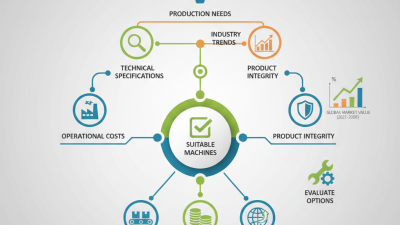
As we look toward 2026, the food packaging equipment market is poised for significant evolution. According to a recent industry report, the global food packaging market is expected to exceed $500 billion by the end of the decade. This growth reflects the increasing demand for safer, more efficient packaging solutions. Automation in food packaging is anticipated to be one of the key drivers behind this trend. This shift allows manufacturers to boost productivity while maintaining high safety standards.
New technologies will emerge, improving sealing and labeling processes. The rise of flexible packaging materials offers advantages, including reduced waste and longer shelf life. A report highlighted that flexible packaging solutions are projected to grow by 4.6% annually through 2026. However, the transition to innovative materials also poses challenges. Not all manufacturers may have the resources to adopt advanced technologies, leading to disparities in operational capabilities.
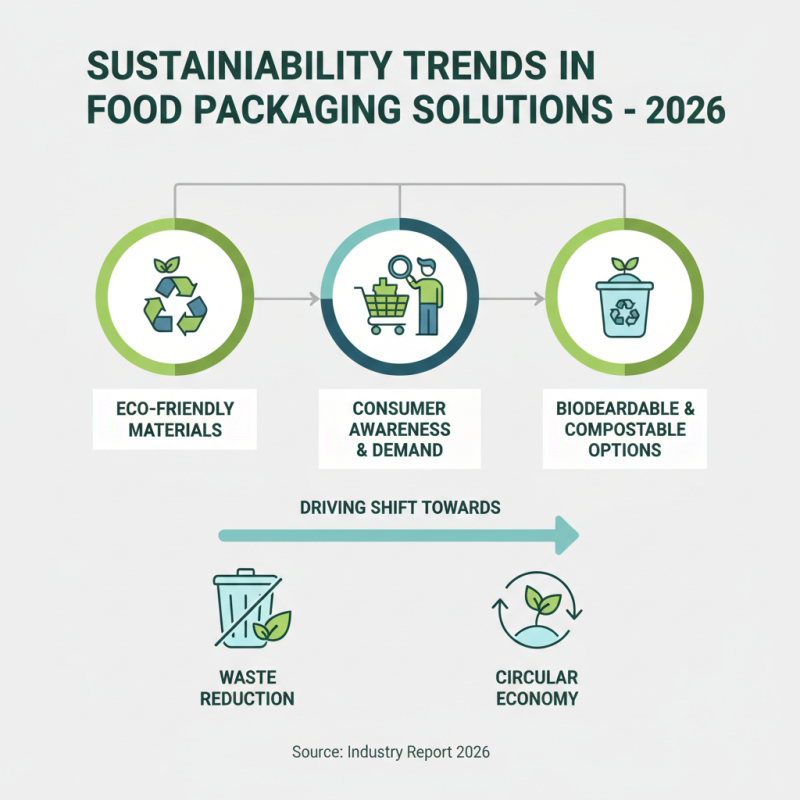
Sustainability continues to be a crucial factor in equipment selection. A survey indicated that 70% of consumers prefer products with eco-friendly packaging. This demand drives companies to rethink their packaging strategies. However, achieving sustainability while maintaining product integrity remains a complex issue. Many companies grapple with finding the right balance between innovation and environmental responsibility. Understanding and adapting to these market dynamics will be essential for success in the evolving food packaging landscape.
Key Technologies Driving Innovation in Food Packaging
The food packaging industry is experiencing a significant transformation, driven by various key technologies. Advanced automation is a primary factor enhancing efficiency and reducing labor costs. For instance, the global market for automated packaging solutions is expected to grow by over 14% annually, reaching nearly $90 billion by 2026. This trend underlines the shift towards smarter and faster production lines.
Additionally, sustainable packaging technologies are gaining traction. Eco-friendly materials, such as biodegradable plastics and compostable films, have become essential. Recent industry reports indicate that 70% of consumers prefer brands that use sustainable packaging. However, finding the right balance between durability and environmental impact remains a challenge for many manufacturers. Innovations are necessary to meet regulatory standards while providing effective food preservation.
Digitalization and IoT are reshaping food packaging as well. Smart packaging solutions help track and monitor freshness. This technology enhances food safety and reduces waste. Yet, integrating these advanced solutions can be costly and complex for some producers. Companies must continually reassess their strategies amid rapidly evolving consumer expectations and technological advancements.
2026 Best Food Packaging Equipment Innovations
Top Manufacturers of Food Packaging Equipment Worldwide
The food packaging equipment market is rapidly evolving. This evolution is driven by innovation and the need for efficiency. Many manufacturers focus on enhancing sustainability in their designs. This shift is vital for reducing environmental impact. The goal is to create packaging that not only preserves food but also minimizes waste.
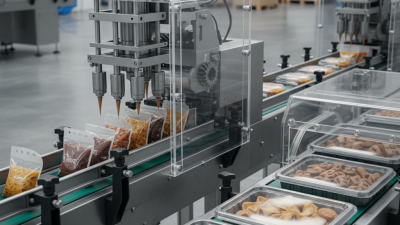
From automated filling machines to sophisticated sealing systems, diverse equipment is available. Each type serves a different function. Some aim to extend shelf life, while others prioritize user convenience. However, not all manufacturers meet high standards. It is essential to evaluate reliability and performance. Looking for certification and industry recognition can help identify trustworthy options.
Investing in quality food packaging equipment is crucial. This ensures compliance with safety regulations. Businesses must weigh their decisions carefully, considering both cost and quality. Regular assessments of machinery performance can reveal areas needing improvement. It is important to stay informed about technological advancements. Adapting to these changes can significantly enhance operations.
2026 Best Food Packaging Equipment for Global Buyers
| Equipment Type |
Features |
Applications |
Average Price (USD) |
Market Demand (Units/Year) |
| Filling Machines |
Automated, high-speed, adjustable |
Beverages, sauces, powders |
150,000 |
200,000 |
| Labeling Machines |
High accuracy, versatile, fast |
Bottles, jars, boxes |
75,000 |
150,000 |
| Sealing Machines |
Heat sealing, vacuum sealing, easy-to-use |
Snacks, perishable goods |
100,000 |
175,000 |
| Packaging Machines |
Multi-functional, customizable, compact |
Frozen foods, ready meals |
200,000 |
300,000 |
| Carton Erectors |
Quick setup, durable, automated |
Canned goods, bulk items |
50,000 |
80,000 |
Market Analysis: Consumer Preferences and Regulatory Impacts
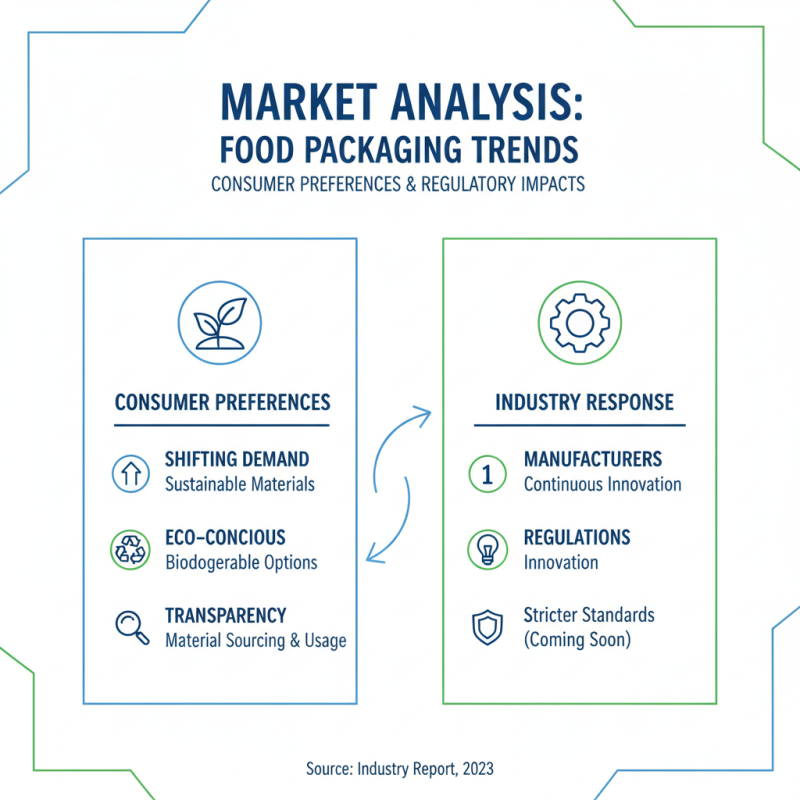
Consumer preferences are shifting rapidly in the food packaging sector. Many are leaning toward sustainable materials. Biodegradable options are gaining traction, aligning with eco-conscious values. Consumers increasingly demand transparency in packaging. They want to know what materials are used and how they are sourced. This growing interest pushes manufacturers to innovate continuously.
Regulatory impacts also shape the food packaging landscape. Governments worldwide are tightening regulations on packaging waste. For example, some regions impose strict limits on single-use plastics. Companies must adapt to these changes quickly, reassessing their packaging strategies. This can lead to challenges in production and compliance. Nevertheless, it opens doors for innovation and collaboration among industry players.
Market dynamics are also influenced by trends in health and safety. Consumers expect packaging to enhance product safety and prolong shelf life. Brands are experimenting with smart packaging solutions that provide real-time information. However, the balance between innovation and regulatory compliance remains delicate. Businesses must navigate these complexities carefully while meeting consumer expectations.