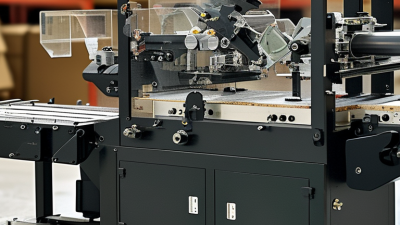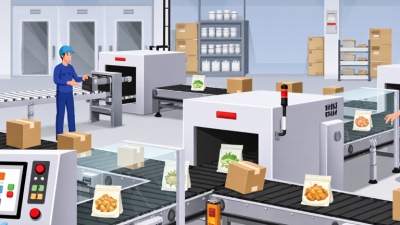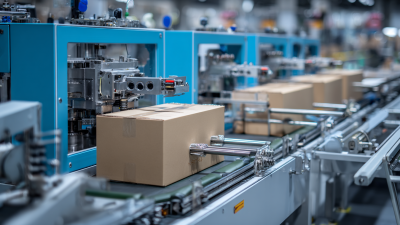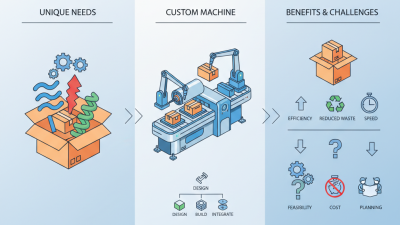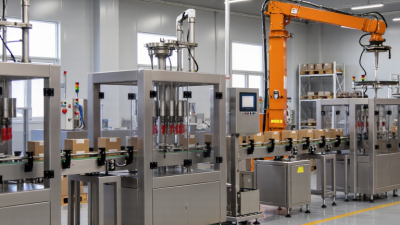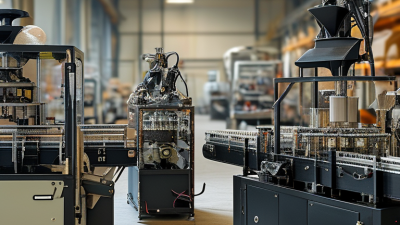
Choosing a custom packaging machine in 2026 is not just a matter of comparing speeds. The right system must handle your product, package format, production volume, and available floor space. A pouch of powder behaves differently from a glass jar of sauce. Even small details matter: product temperature, fill accuracy, changeover time, and how easily operators can reach cleaning points. “Fit the machine to the product and process, not the other way around” is a practical principle associated here with packaging machinery consultant and author John Henry. This is a paraphrase, not a verified verbatim quotation.
Start with the job the machine must do today, then consider what may change. Will you add a second package size? Increase output? Run products with different textures? A supplier should explain how the proposed equipment handles those conditions and identify limits—not just quote a headline speed. Ask for product trials using your actual materials. Watch the seals form. Check rejected packages, changeover steps, and cleaning access. Details show.
This guide outlines the decisions that shape a reliable investment: defining requirements, comparing machine types, checking customization options, and evaluating supplier support. It also covers practical costs beyond the purchase price, including installation, training, spare parts, and downtime. Some projections will remain uncertain; demand forecasts are not promises. That is worth acknowledging before signing. A well-chosen custom packaging machine should meet current needs without making sensible future changes unnecessarily difficult.
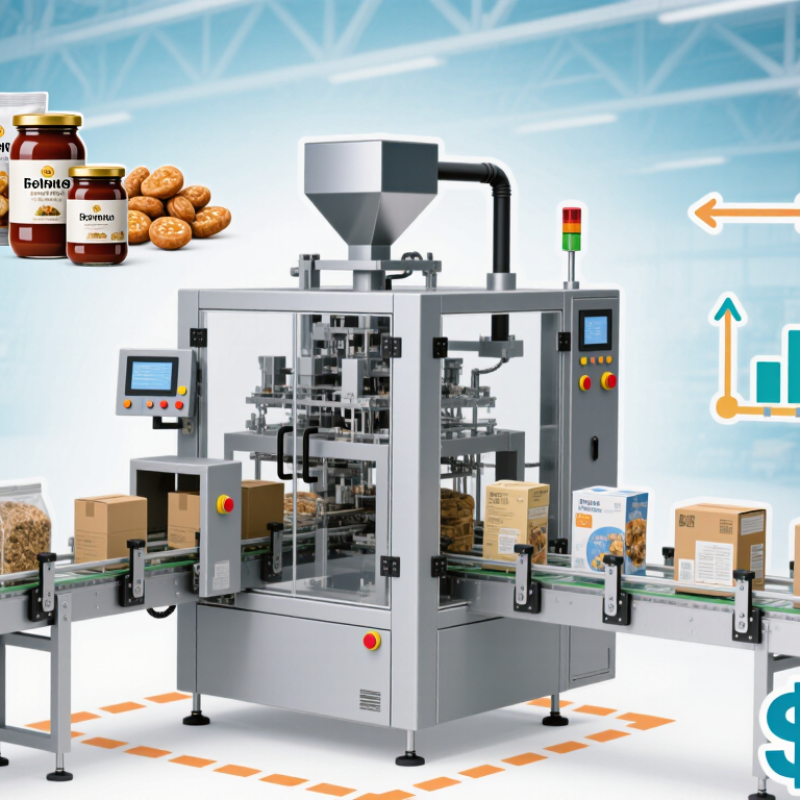
Start with the product, not the machine catalog. Record each item’s dimensions, weight, fragility, and surface behavior. A powdery product may need dust control; a glass container needs gentle transfer. Then define the pack: pouch, carton, tray, or bottle; material; seal or closure; and labeling needs. Be specific. “Flexible packaging” is not a complete specification. Include the smallest and largest sizes, plus products that need special handling. A sample run often reveals details a spreadsheet misses.
Production requirements need equal care. State the required good units per hour, shifts per week, expected changeovers, and acceptable downtime. Do not rely on nameplate speed alone. Deloitte and MAPI’s 2024 Smart Manufacturing Survey found that 86% of manufacturing executives viewed smart manufacturing as a competitiveness driver over the next five years. That makes controls, data access, and operator training worth discussing alongside speed. Ask how long a format change takes, what tools it needs, and whether one trained operator can complete it. Check floor space, utilities, cleaning access, and connections to existing equipment. Forecasts change. A neat specification sheet can still be wrong. Test representative products and packaging before committing.
How to Choose a Custom Packaging Machine in 2026?
Compare machine types before comparing prices. A vertical form-fill-seal machine can suit loose products such as grains, while a horizontal wrapper handles items like bars or trays. Cartoning and bottle-filling systems solve different needs. Match the machine to your product, package shape, target speed, and available floor space. A faster line is not always better if operators cannot keep it supplied.
Customization should solve a specific production problem. Options may include adjustable dosing, product feeders, different sealing jaws, recipe storage, and quick-change parts. Ask which package sizes the machine can handle and how long a format change takes. Check cleaning access, guarding, spare-part availability, and utility requirements. Request a trial with your actual product and packaging material; samples can reveal leaks, wrinkles, or inconsistent fills. A layout estimate can be wrong, especially when conveyors and operator access are overlooked.
Tips: Bring sample packs and a short list of must-have formats to supplier discussions. Ask for changeover and cleaning demonstrations, not just a speed figure. Leave room for future needs, but avoid paying for options your team may never use. Small details matter.
Compare common machine types by their typical fit for different packaging needs.
Ratings are qualitative planning guidance, not measured performance data: 1 indicates a limited typical fit and 5 indicates a strong typical fit. Actual capabilities depend on the machine configuration, materials, product, and changeover requirements. Confirm specifications with suppliers.
When choosing a custom packaging machine in 2026, start with your real production range, not the fastest number on a sales sheet. Record peak and typical output, changeover time, package dimensions, and how often products vary. A line running 60 packs per minute may struggle if frequent format changes leave little time for production. Measure the bottleneck in your own plant.
Automation should solve a defined task. The International Federation of Robotics reported 4.28 million industrial robots operating worldwide in 2023, up 10% from 2022. This broad manufacturing figure shows growing adoption, but it does not prove every packaging line needs a robot. Consider labor availability, reject handling, and operator skill. A machine that runs quickly but is difficult to clear after a jam may reduce actual output. That detail is easy to miss.
Tip: Map each handoff, from filling to sealing, labeling, and case packing. Check conveyor height, product spacing, control signals, guarding, and cleaning access with your line team. Ask for a trial using your actual containers and materials. Track stoppages, changeover minutes, and rejected packs. Leave room for future equipment, too. Integration plans look tidy on paper; real floors are less tidy. Keep the measurement honest.
A custom packaging machine should fit your product, line speed, and available floor space. Start with safety: inspect guards, interlocks, emergency stops, and access points for cleaning or jam removal. Ask whether operators can clear a routine blockage without reaching into a hazardous area. During a factory test, watch the machine run with your actual packaging material. Small gaps matter. Confirm that manuals, training, and safety documentation will be provided.
Safety and compliance requirements vary by product and destination market. Request a documented risk assessment and a clear list of applicable standards. A capable supplier should explain what the machine does and does not meet, without vague promises. Check references from operations with similar formats or production speeds. Ask who handles installation, operator training, spare parts, and technical support after delivery. Delays can be costly.
Compare total cost, not just the purchase price. Include shipping, installation, tooling, maintenance, energy use, consumables, and expected downtime. Estimate changeover time for each package size you plan to run. Run the numbers. A lower quote may exclude essential tooling or support. Forecasts are imperfect, though; real film waste and maintenance needs can differ from estimates. Leave room in the budget for adjustments after commissioning.
Before approving a custom packaging machine, ask the supplier to test it with your actual product, film, cartons, and target speed. A clean demo with substitute materials proves little. Run a representative batch through start-up, steady operation, and a planned changeover. Record packs per minute, seal quality, reject rate, and stoppages. Keep samples from the beginning and end; heat and tension can drift.
Tips: Set pass/fail limits before testing. Check seals by opening samples, and weigh a small set of filled packs. Bring the operators who will use the machine. Their questions may reveal awkward loading points or hard-to-reach adjustments. Ask for raw results, not only a polished video.
Installation deserves equal scrutiny. Confirm floor space, power, air supply, extraction needs, and maintenance access before shipping. Mark the proposed footprint on the floor; a tape outline can expose a blocked aisle. Agree who handles utilities, guarding, training, and commissioning, then assign dates. Keep a buffer for delays. This may seem overly cautious, but rushed handovers create avoidable faults. After installation, repeat the acceptance test using production materials. One detail may still be missed; document it and assign an owner.
How to use this table: The sample figures below are buyer-defined starting points for a factory acceptance test (FAT), not universal industry standards. Set final acceptance limits around the product, package specification, production target, and applicable regulations.
| Decision Area | What to Verify | Test Method | Example Acceptance Criterion | Installation Planning Action |
|---|---|---|---|---|
| Production speed | Output with the actual product and packaging materials, including routine operator interventions. | Run the machine continuously at the agreed production setting; record good packs, rejects, stops, and run time. | Complete a 60-minute run at the agreed target rate, with acceptable product quality and no unplanned stoppage that breaches the agreed test limit. | Confirm the required line rate, upstream and downstream equipment speeds, accumulation space, and production-shift pattern. |
| Package quality | Seal, closure, label, code, dimensions, and overall appearance against approved samples and specifications. | Inspect samples at start-up, during the run, and after changeovers. Use the agreed visual, dimensional, and functional checks. | For example, inspect 30 consecutive packs from each test condition; require all critical features to meet the approved specification. | Provide approved packaging materials, product samples, artwork, and written quality limits before the site acceptance test. |
| Filling or dosing accuracy | Variation in net weight, volume, count, or dose over the expected operating range. | Collect and measure a representative set of filled units at the agreed speed and product conditions. Use calibrated measuring equipment. | Meet the buyer’s product specification and applicable legal metrology requirements; define sample size and allowable variation in advance. | Confirm product characteristics such as flow, temperature, particle size, and viscosity, as well as cleaning and changeover needs. |
| Material compatibility | Machine performance with the intended film, cartons, labels, containers, closures, or other packaging components. | Test production-intent materials from the intended suppliers, including relevant variations in material size or construction. | Run each approved material format without recurring jams, misfeeds, damaged packs, or adjustments outside the agreed operating procedure. | Lock down material dimensions, tolerances, storage conditions, and supplier specifications before final machine configuration. |
| Changeover and flexibility | Time, tools, and operator steps required to switch between product or package formats. | Time three consecutive changeovers using trained operators and the documented changeover procedure. | Complete each changeover within the buyer’s target time and produce an approved first-off pack before restarting full production. | List all required formats and change parts; reserve space for tooling, material staging, and safe operator access. |
| Controls and safety | Alarms, recipe handling, guarded access, emergency stops, and recovery after a controlled stop. | Review the control interface and test agreed fault, stop, restart, and safety scenarios with qualified personnel. | Documented test cases pass; safety functions are assessed against applicable site rules and relevant regulations by competent personnel. | Agree control-system interfaces, network requirements, safety responsibilities, and required technical documentation. |
| Utilities and site readiness | Electrical supply, compressed air, vacuum, exhaust, drainage, and other services required by the selected configuration. | Compare the machine utility schedule with measured site capacity and the approved facility layout. | Available services meet the machine’s documented requirements at the point of connection, including the specified operating pressure and electrical supply. | Complete a site survey; verify floor loading, access routes, installation clearances, service drops, and any building modifications. |
| Installation and acceptance | Mechanical setup, commissioning, operator training, and performance at the production site. | Use a written site acceptance test (SAT) based on the agreed FAT criteria and actual site conditions. | Close critical punch-list items and obtain documented approval of agreed SAT checks before routine production release. | Assign an installation lead, schedule delivery and commissioning, prepare trained staff, and agree spare parts and service contacts. |