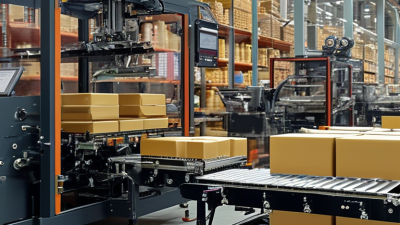
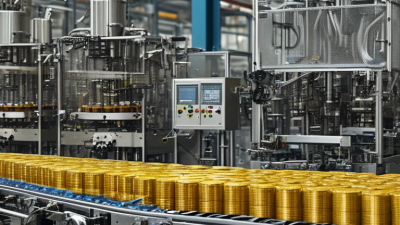
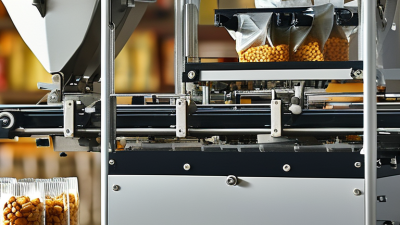
Top 5 Tips for Choosing the Right Packaging Machine
When selecting a packaging machine, the choices are overwhelming. Various features and technologies exist to meet different needs. Understanding your product requirements and production goals is crucial for making an informed decision.
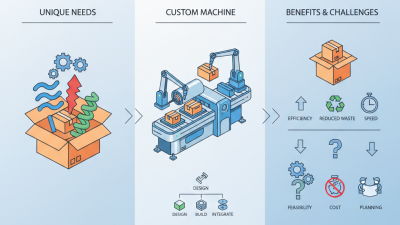
The right packaging machine can enhance efficiency and reduce waste. It's important to consider the size, speed, and type of packaging materials involved. Many companies face challenges when integrating new machinery into existing workflows. Fitting a machine into your setup can require extra planning and adjustments.
Moreover, not all packaging machines are designed for every product. Some might excel with liquids while others work best for solids. It’s essential to choose a machine that aligns with your specific industry requirements. Carefully analyzing your options will lead to better investment and productivity. Making a hasty decision can be costly in both time and resources.
Understanding Your Product's Packaging Requirements
When tackling the complexities of packaging, understanding your product's specific needs is crucial.
Different products require varying levels of protection, seal integrity, and presentation.
For example, food products often need airtight sealing to ensure freshness.
The Food and Drug Administration (FDA) highlights that a significant percentage of spoilage occurs due to inadequate packaging.
It's essential to assess whether your packaging machinery can maintain these standards.
Material selection is another important consideration. Research indicates that over 70% of consumers consider packaging materials when making purchase decisions.
This statistic underscores the need for businesses to choose machines that can handle sustainable and effective materials.
For instance, recyclable and biodegradable options are gaining traction, reflecting consumer preferences.
A machine capable of adapting to these materials can enhance product marketability.
Additionally, it's vital to reflect on the machine's adaptability for future needs.
The packaging landscape is ever-evolving, driven by consumer trends and technological advancements.
Organizations must choose equipment that is scalable and versatile.
A machine that only fits current requirements may become obsolete, necessitating further investment down the line.
Balancing immediate efficiency with long-term viability is a challenge that requires careful thought and strategic planning.
Evaluating Different Types of Packaging Machines
When evaluating different types of packaging machines, several factors play a critical role. According to a recent report by Smithers Pira, the global packaging machinery market is expected to grow from $45 billion in 2020 to $65 billion by 2026. This growth emphasizes the importance of selecting machines that align with industry trends and technological advancements.
Different packaging machines offer varied functionalities. For instance, automatic packaging machines can enhance efficiency by up to 30%, allowing businesses to meet high-demand scenarios. Manual machines, while less expensive, may lack the speed required for large-scale production. Understanding these differences can guide operators in making informed decisions.
Potential users should also consider the machine’s adaptability. A flexible design allows for different product types and sizes, which is increasingly important. Reports indicate that 70% of companies prefer machines that can accommodate future changes in their product lines. This adaptability can lead to long-term savings and efficiency gains, even though the upfront investment may seem substantial.
Top 5 Tips for Choosing the Right Packaging Machine
Assessing Production Speed and Efficiency Needs
When selecting a packaging machine, understanding production speed and efficiency is crucial. Research shows that an optimized machine can increase production by up to 30%. This statistic emphasizes the need for careful consideration of your operational requirements. Different products require distinct packaging speeds. For instance, high-volume items may need machines that operate at over 100 units per minute.
Efficiency also revolves around the machine’s setup time. A machine with a longer setup can delay production. Industry reports suggest that reducing changeover time can boost overall efficiency by 25%. Evaluating auxiliary functions is essential. Machines with flexible features can adapt to various product sizes, minimizing downtime and increasing versatility.
It's important to consider your staff's expertise too. A complex machine may require specialized training, which can disrupt production initially. Hence, balance is key. You want a machine that meets your speed requirements without overwhelming your team. Remember, choosing the right packaging machine goes beyond just speed; it’s about achieving sustainable operations.
Considering Budget and Cost Implications
When selecting a packaging machine, budget considerations are paramount. According to a report by Markets and Markets, the global packaging machinery market is projected to reach $50 billion by 2024. As this industry expands, businesses face pressing decisions regarding machine investment. It's essential to evaluate not just the upfront costs but also ongoing maintenance and operation expenses.
Investing in an automated machine can initially seem costly. However, an effective machine can reduce labor costs by up to 30%. An efficient packing line can also boost production speed. This means quicker turnaround times and potentially higher profit margins. Yet, many businesses overlook the total cost of ownership. Failing to account for energy efficiency, parts replacement, and training can lead to unexpected expenses.
Assessing the return on investment (ROI) is crucial. Machines with higher upfront costs may provide superior efficiency. The right choice may lead to significant savings over time. Each company’s needs vary, so understanding production volume and packaging type is vital. Investing in the wrong machine can cause inefficiencies and frustration. Conducting thorough research and engaging with industry experts can guide businesses toward more informed decisions.
Researching Supplier Reliability and Support Services
When choosing a packaging machine, supplier reliability is crucial. A dependable supplier ensures not only quality equipment but also long-term support. It is essential to investigate their history in the industry. Look for suppliers with a proven track record and positive testimonials. A company that has been in business for several years often demonstrates stability and experience.
Support services can make or break your packaging operations. Check if the supplier provides technical support, training, and maintenance. Fast response times for troubleshooting are vital. Sometimes, suppliers may promise quick service but fail to deliver when needed. It’s wise to ask for references from other customers regarding their support experiences.
Additionally, consider the supplier's ability to adapt. The packaging industry evolves rapidly. A reliable supplier should not only understand current trends but also provide solutions that accommodate future changes. Always prioritize transparency in communication. If a supplier is hesitant to address your concerns, it might be time to reconsider. Your packaging solutions should reflect not just your production needs but also your commitment to quality and reliability.