Why is Packaging Equipment Essential for Efficient Production?
In today's fast-paced manufacturing environment, packaging equipment plays a vital role in streamlining production. Mark Johnson, a renowned expert in packaging technology, once stated, "Effective packaging equipment can transform the efficiency of any production line." His insights highlight the importance of utilizing advanced machinery to enhance operational output.
The right packaging equipment not only ensures products are securely packaged but also reduces downtime. For instance, automated systems can minimize human error, leading to significant cost savings. Companies that invest in high-quality equipment often see increased product consistency and higher customer satisfaction. However, choosing the correct equipment is challenging and requires careful consideration.
Despite these advantages, many businesses overlook the significance of upgrading their packaging equipment. They may rely on outdated tools that hinder their growth. It's clear that investing in the right technology can define a company's success in a competitive market. Reflecting on these points encourages organizations to examine their current processes closely.
Importance of Packaging Equipment in Modern Manufacturing Processes
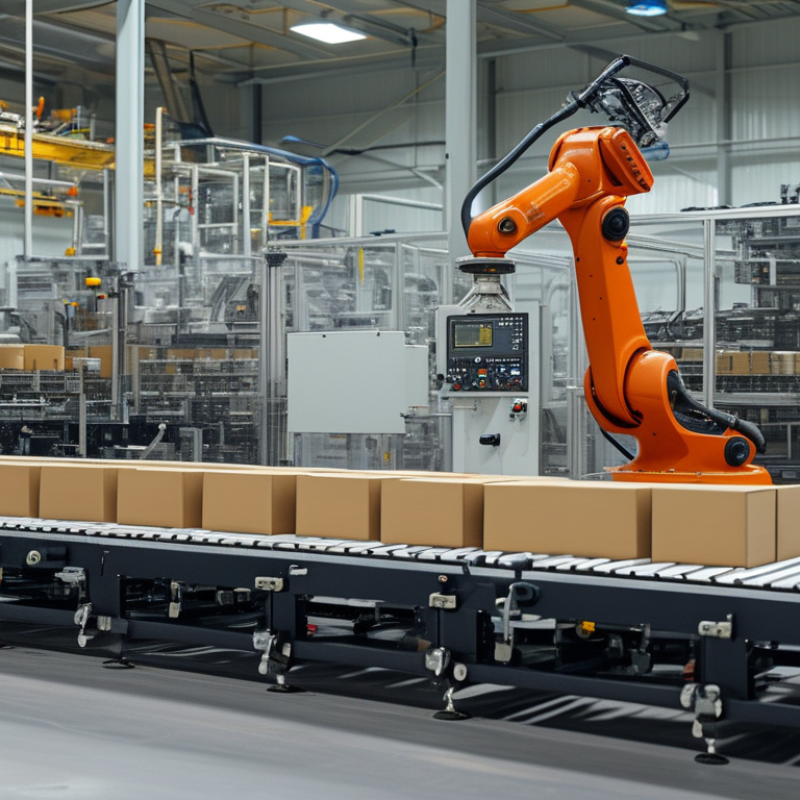
In modern manufacturing, the role of packaging equipment cannot be overstated. Efficient packaging helps streamline production lines. It reduces waste and minimizes manual labor. This equipment is vital for maintaining consistent quality. Automated systems ensure that products are packaged accurately, which leads to improved customer satisfaction.
However, it is essential to recognize that not all packaging equipment is suitable for every manufacturing process. Sometimes, choosing the wrong machine can lead to delays. Flexibility is crucial; equipment must adapt to various product types. Businesses may find that upgrading involves learning curves. Operators need training to maximize efficiency.
Moreover, companies must invest in regular maintenance. Routine checks ensure that machines work optimally. Neglecting this can lead to unexpected breakdowns. Such issues can disrupt production schedules. Planning for these potential problems can help in maintaining a smooth workflow. Thus, understanding the nuances of packaging equipment is crucial for any modern manufacturer aiming for efficiency.
Types of Packaging Equipment and Their Functions
Packaging equipment plays a vital role in modern production lines. Various types of equipment serve distinct functions. For example, filling machines accurately dispense liquids or powders into containers. Labeling equipment ensures products are marked correctly for branding and information. Each piece enhances workflow, reducing errors and increasing efficiency.
Choosing the right equipment can transform production. Analyze the needs of your specific process. Consider your product's characteristics, such as size, shape, and material. Evaluate how different machines work together to streamline operations. This approach minimizes bottlenecks and waste.
Occasionally, the equipment may not function as expected. Regular maintenance is essential. It’s necessary to train operators adequately to handle issues promptly. Production losses can occur when machines break down. Planning for unexpected events can save time and resources. Keep a log of equipment performance to identify patterns over time.
Impact of Packaging Equipment on Production Efficiency
Efficient production relies heavily on the right packaging equipment. In the food and beverage industry, for example, improper packaging can lead to wasted materials and spoilage. A report by the Food Processing Suppliers Association states that companies could lose up to 5% in production efficiency without proper machinery.
Investing in advanced packaging technology significantly enhances output. According to a recent study, manufacturers that upgraded their packaging equipment saw a 20% increase in production speed. With automation, tasks are completed faster and with greater precision. Labor costs decrease as machines perform repetitive tasks that workers previously handled.
Despite these benefits, not all investments guarantee a return. Choosing the wrong equipment can lead to bottlenecks in the production line. A study found that 30% of manufacturers reported downtime due to equipment malfunctions. Regular maintenance and training are essential to avoid these pitfalls. Balancing speed, reliability, and cost is crucial for optimizing production efficiency while minimizing waste.
Considerations for Selecting the Right Packaging Equipment
When selecting packaging equipment, several factors demand careful consideration. The type of product often dictates the necessary machinery. For instance, liquids require different machinery than solids or fragile items. Understanding your product's characteristics, including size, shape, and material, is crucial.
Speed is another vital aspect. How quickly must the product be packed? Equipment that operates too slowly can bottleneck production. Yet, faster machines may lead to quality issues. Balancing speed and reliability is often a challenge. Keep in mind that maintenance needs can also impact efficiency. Equipment that breaks down frequently leads to downtime and costly delays.
Cost is a significant concern for many businesses. Choosing the cheapest option may seem wise, but it could compromise quality. Investing in reliable, efficient machinery pays off in the long run. Evaluating suppliers based on their reputation and support services is essential. Reflect on how long-lasting relationships with suppliers can lead to better equipment recommendations. Always consider how the chosen equipment will integrate with your current processes to avoid potential disruptions.
Future Trends in Packaging Equipment Technology and Innovation
Packaging equipment plays a crucial role in the efficiency of production lines. As industries evolve, so do the technologies that drive packaging. Recent studies indicate that the global packaging machinery market is projected to reach $55 billion by 2027, growing at a compound annual growth rate of 5.6%. Such growth hints at a rising demand for automation, robotics, and smart technology in production.
One significant trend is the integration of IoT in packaging machines. This technology allows manufacturers to monitor and optimize production in real-time. A report by Smithers Pira shows that smart packaging technologies can reduce waste by up to 30%. However, companies may struggle with the transition to these advanced systems. Training staff and upgrading existing equipment can pose challenges.
Sustainability is also reshaping packaging equipment. More manufacturers prioritize eco-friendly materials and processes. According to a recent survey, 67% of companies plan to invest in sustainable packaging solutions within the next five years. Yet, there is often a gap between intent and execution. Cost and technical limitations can hinder these efforts. As the industry moves forward, balancing innovation with practicality will be vital for true progress.
Why is Packaging Equipment Essential for Efficient Production?
This bar chart illustrates the importance of various factors related to packaging equipment efficiency in production processes. The focus is on five key dimensions: Efficiency, Cost-effectiveness, Flexibility, Sustainability, and Automation, with each rated on a scale from 1 to 10. This highlights the essential role of innovative packaging technologies in modern production environments.