
What Are the Top 10 Vertical Form Fill Seal Machines?
Choosing a vertical form fill seal machine is not just a matter of comparing production speeds. The right choice depends on the product, package style, available floor space, and daily output. A machine handling crisp granules may need different feeding equipment from one filling fine powder. Small details matter. Film tracking, sealing temperature, and changeover time can affect package quality during a full production shift.
This guide introduces ten machines worth considering and explains the practical differences buyers should examine. Rather than treating a ranking as universal, compare each model’s filling range, bag formats, control system, and support options. Ask for a product trial when possible. Watch how the film moves, how consistently each pouch seals, and how quickly operators can clear a jam. Those observations can reveal more than a headline speed. A fast machine is not always the best fit.
Specifications should also be checked against real products and operating conditions. Request documented performance data, confirm which options are included, and clarify maintenance requirements with the manufacturer or an authorized supplier. Availability and configurations can change, so verify current details before purchasing. There is no perfect machine for every line. Even experienced teams can overlook a constraint, especially when a new package design is involved. Use the comparison to build a shortlist, then test it against your actual product, packaging film, and production goals.
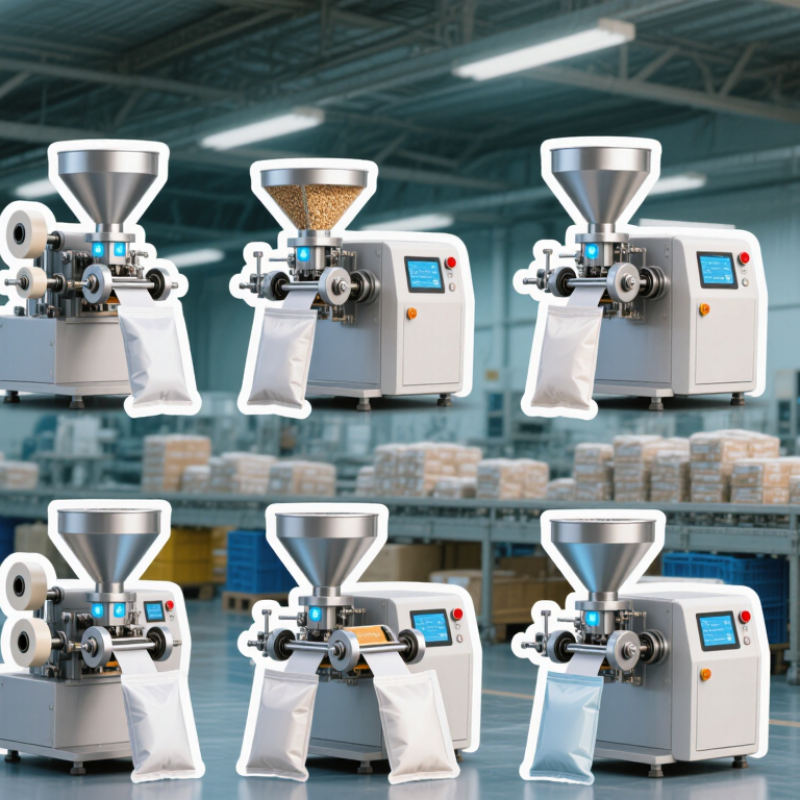
What Vertical Form Fill Seal Machines Are and How They Work
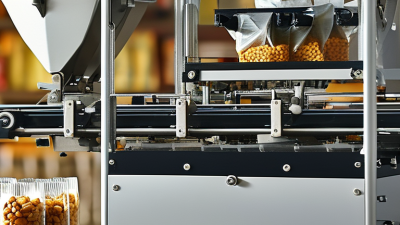
A VFFS machine turns a flat roll of packaging film into filled, sealed bags in one continuous process. The film unwinds from a reel and passes over a forming collar, which shapes it into a tube around a vertical filling tube. A heated bar seals the film lengthwise. Lower jaws then create a bottom seal, forming the base of a new pouch.
The product travels through the filling tube and drops into the open pouch. Depending on the product, the machine may use a scale, volumetric cup, or other dosing device to control each portion. After filling, sealing jaws close across the film and make the top seal. They also form the bottom of the next pouch. A cutter separates the finished package. The sequence is precise.
Sensors monitor film position, temperature, and package movement. These checks help catch problems such as misaligned printing or weak seals, though they cannot fix every issue. Film thickness, product dust, and changing room conditions can affect performance. Small details matter.
In practice, the process is less tidy than a diagram suggests. A powder may cling to the seal area, while an irregular snack can slow filling. Operators often adjust settings and inspect test packs before a production run. That takes judgment. A VFFS machine can package many products efficiently, but the right film, filling method, and seal settings depend on the product and bag design.
What Are the Top 10 Vertical Form Fill Seal Machines? - What Vertical Form Fill Seal Machines Are and How They Work
What a VFFS machine does: A vertical form fill seal machine feeds flexible packaging film from a roll, forms it into a tube around a forming collar, makes a longitudinal seal, doses product into the bag, and closes the package with cross seals. The options below are common machine types or configurations, not a brand ranking. Output and bag compatibility depend on the product, film, package size, and machine setup.
| No. | Machine type or configuration | How it works | Typical products | Common package formats | Key considerations |
|---|---|---|---|---|---|
| 1 | Intermittent-motion VFFS | The film advances in steps. It pauses while sealing jaws close, then advances again for the next package. | Powders, granules, snacks, and other products that can be filled while the film is stationary. | Pillow bags, gusseted bags, and some block-bottom styles, depending on the machine. | Stop-start operation suits a wide range of bag sizes and sealing requirements. The cycle rate depends on bag length, filling time, and product handling. |
| 2 | Continuous-motion VFFS | The film moves continuously while sealing jaws travel with it to make cross seals, reducing the need to stop the film for each seal. | Free-flowing snacks, confectionery, and other products suited to continuous production. | Primarily pillow bags; other styles depend on the forming and sealing system. | Can support higher production rates than many intermittent systems, but requires compatible film, product flow, and sealing conditions. |
| 3 | Multihead-weigher VFFS system | Multiple weigh hoppers weigh portions and combine them to reach a target weight. The selected portion drops into the formed bag. | Chips, frozen foods, nuts, candy, fresh produce, and other discrete pieces. | Pillow bags, gusseted bags, and other styles supported by the VFFS machine. | Useful for products that are difficult to measure consistently by volume. Product fragility, size, and distribution affect weighing performance. |
| 4 | Linear-weigher VFFS system | Product is distributed across weighing channels or buckets, then released in measured portions into the bag. | Granules, pulses, seeds, hardware, and other relatively uniform products. | Pillow bags and gusseted bags. | Often a practical choice for products with more predictable flow and shape. Accuracy depends on product consistency and the weighing setup. |
| 5 | Volumetric-cup VFFS system | Adjustable cups collect a set volume of product and discharge it through the filling tube into each bag. | Free-flowing granules and relatively uniform pieces, such as rice, beans, and some snacks. | Pillow bags and gusseted bags. | Simple volume-based dosing can be efficient, but weight may vary when product density, particle size, or settling changes. |
| 6 | Auger-filler VFFS system | A rotating screw meters powder from a hopper and feeds it through a filling tube into the bag. | Flour, spices, drink mixes, powdered ingredients, and other powders. | Pillow bags, gusseted bags, and some stick-pack or sachet formats. | Auger design and settings must suit the powder’s flow and tendency to compact or create dust. Dust control and sealing cleanliness matter. |
| 7 | Piston-filler VFFS system | A piston draws a measured volume of liquid into a cylinder and dispenses it through a nozzle into the formed package. | Sauces, pastes, creams, and other liquids or semi-viscous products. | Pillow bags, sachets, and other formats supported by the machine. | Product viscosity, temperature, and particulate content influence nozzle and piston selection. The filling area should be designed for cleaning. |
| 8 | Pump-filler VFFS system | A pump meters liquid through a filling nozzle; the pump type and controls are selected to suit the product and target dose. | Beverages, detergents, oils, and other pumpable liquids. | Pillow bags and liquid sachets. | Product viscosity and foaming behavior affect dosing and filling speed. Nozzle positioning helps reduce splashing and contamination of seal areas. |
| 9 | Multi-lane stick-pack VFFS | Several narrow film lanes are formed and sealed in parallel. Each lane is filled through a dosing system and cut into individual packs. | Single-serve powders, drink mixes, granules, gels, and liquids. | Narrow stick packs with longitudinal and cross seals. | Multiple lanes increase the number of packs produced per machine cycle. Lane count, dosing accuracy, and product characteristics affect the overall output. |
| 10 | Multi-lane sachet VFFS | Multiple film lanes are formed into small pouches, filled with a measured dose, sealed, and separated. | Condiments, cosmetics, powders, granules, and single-use liquid portions. | Flat sachets and small pillow-style pouches. | Useful for portion packs. Film properties, seal integrity, dose size, and product compatibility are important for reliable packaging. |
Related Posts
-
Top 10 Benefits of Using a Vertical Form Fill Seal Machine for Your Business
-
2026 Best Vertical Form Fill Seal Machine for Your Business?
-
7 Tips for Choosing an Automatic Bagging Machine
-
Why Choose a Vertical Form Fill Seal Machine for Your Business?
-
What is Packaging Equipment Systems and How Do They Work?
-
How to Choose the Right Belt Conveyor?