10 Best Bottle Filling Machines for Your Business

I can write the introduction, but no source article or verified expert quotation was provided. I shouldn’t invent an expert’s name or attribute a fabricated quote to a real person. Share a source or the expert’s name and quotation, and I can incorporate them into a 200–300-word English introduction.

10 Best Bottle Filling Machines for Your Business

What Bottle Filling Machines Are and How They Work

A bottle filling machine moves a controlled amount of liquid into bottles, helping businesses fill containers more consistently than hand pouring. Depending on the product and production volume, a machine may use gravity, a pump, or a timed valve. Gravity systems suit many free-flowing liquids, while pump-based equipment can handle thicker products. Some designs use overflow filling to keep liquid levels visually even. The right method depends on the liquid, bottle shape, and desired fill speed.

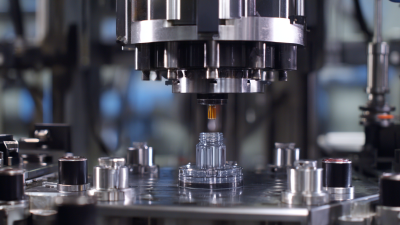
The process usually begins when an empty bottle is positioned beneath a filling nozzle. A sensor or operator starts the cycle, and the machine opens a valve or activates a pump. Liquid flows until a target volume, weight, or level is reached. The nozzle then closes, and the filled bottle moves onward for capping or labeling. The principle is simple. Yet small details matter: foamy liquids may need slower filling, and narrow bottle openings can cause splashing.

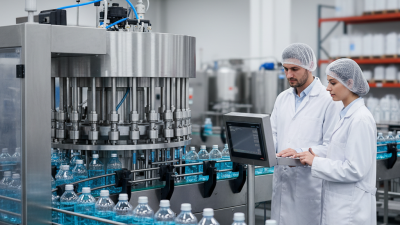
In practice, setup is rarely perfect on the first run. Operators may need to adjust nozzle height, filling speed, or timing after checking several bottles. A quick calibration with a measuring vessel can reveal inconsistent fills before a full production batch begins. Cleaning access matters, too, especially when product residue dries around valves or seals. A machine that fits the liquid and bottle is more useful than one chosen for speed alone.

Common Types of Bottle Filling Machines and Their Uses

Gravity-overflow fillers suit thin liquids such as water, especially when bottles need consistent visible fill levels. Piston fillers handle thicker products, including syrups and lotions, by dispensing a measured volume. Peristaltic pumps can work well for small batches because liquid contacts the tubing rather than the pump mechanism. They may run more slowly. Choose based on the product’s viscosity, bottle shape, and cleaning needs, not just the machine’s advertised speed.

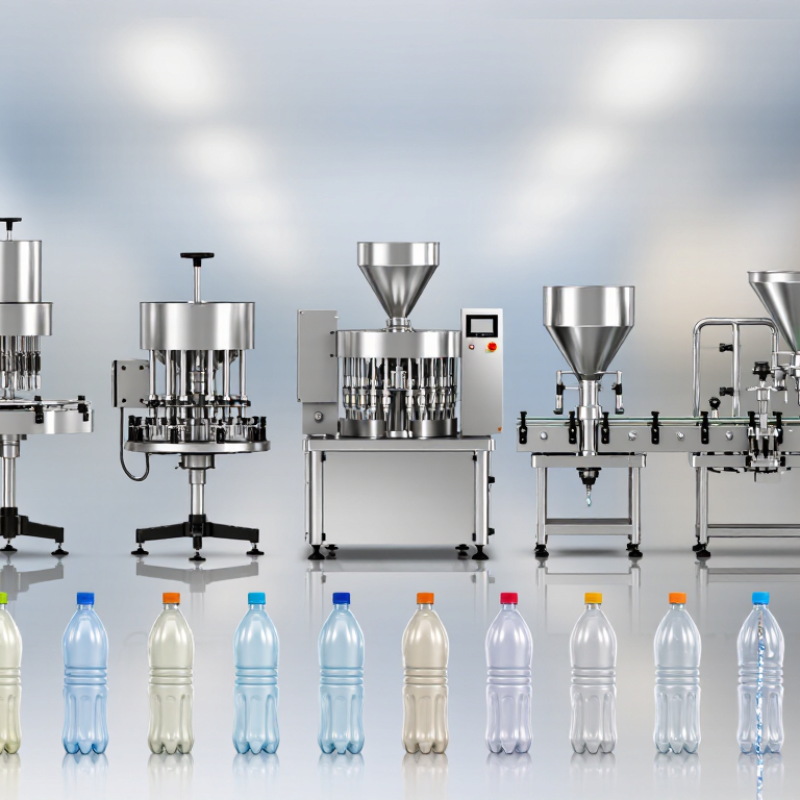
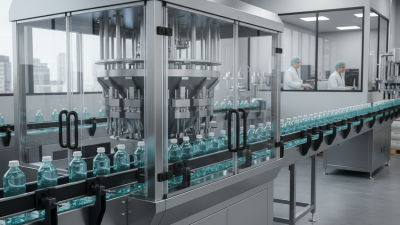
Machine layout matters, too. Inline fillers move bottles in a straight row and are often easier to access during changeovers. Rotary systems carry bottles around a turning platform, supporting higher output when the product and container remain consistent. Beverage Marketing Corporation’s 2024 U.S. bottled-water report puts 2023 consumption at about 15.9 billion gallons. That figure shows the scale of one filling market, but it does not set a suitable line speed for every plant. A small producer may value quick adjustments more than peak output. In practice, liquid temperature can change its flow, so a setting that works in the morning may need adjustment later. The fit is rarely perfect.

Common Types of Bottle Filling Machines and Their Typical Uses

A qualitative guide to how commonly used filling technologies suit different product types. Ratings describe typical fit, not measured machine performance.

Typical suitability varies with product properties, bottle design, and machine configuration. Confirm requirements with the machine supplier.

Key Factors for Choosing a Machine for Your Business

Choosing a bottle filling machine starts with the product, not the advertised speed. A thin liquid behaves differently from a thick syrup or a foaming drink. Record the bottle sizes, neck openings, and daily production target you actually use. A machine that fills one container quickly may slow down during frequent changeovers. Small details matter. Check how easily operators can adjust fill volume, nozzle height, and conveyor speed without special tools. Ask for a trial with your own product and containers. Water tests can hide splashing, bubbles, or slow flow that appear during real production.

Consider cleanability, fill accuracy, and available floor space together. Product-contact parts should be accessible for inspection and cleaning, with few awkward corners where residue can collect. Confirm that the machine fits your power and air supply, and leave room for operators to move safely around it. Ask how quickly common wear parts can be replaced, and what routine maintenance requires. Keep a realistic record of downtime, changeover time, and rejected bottles during a trial. The first estimate may be too optimistic; actual results depend on the product, staff, and setup. A short test with a full shift’s workflow can reveal issues a specification sheet misses.

10 Best Bottle Filling Machines for Your Business — Key Factors for Choosing a Machine
Machine Type Best Suited Products Typical Bottle & Fill Range Indicative Output Key Advantages Important Considerations Good Fit For
Manual piston filler Viscous products such as creams, gels, pastes, and some sauces Small containers; commonly about 5–500 mL, depending on cylinder size About 2–10 bottles per minute Simple operation, compact footprint, and practical for short production runs Output depends heavily on the operator; frequent manual filling is labor-intensive Start-ups, samples, and low-volume production
Semi-automatic piston filler Thick liquids and products with moderate viscosity, including lotions and condiments Commonly about 10 mL–1 L; confirm the machine’s dosing range About 5–20 bottles per minute More repeatable dosing than manual filling; usually offers straightforward changeovers Containers generally need to be positioned and removed by an operator Growing businesses that need flexible, small-to-medium batches
Gravity filler Thin, free-flowing liquids such as water, some beverages, and low-viscosity cleaners Often used for small to medium bottles; fill range depends on tank and nozzle setup About 4–20 bottles per minute Relatively simple filling method with a modest equipment footprint Best for products that flow easily; fill performance can be affected by liquid level and viscosity Small operations filling thin, non-carbonated liquids
Overflow filler Thin liquids where a consistent visible fill level is important Commonly used with rigid bottles; container shape and opening must suit the nozzles About 4–20 bottles per minute Can produce a uniform fill height across bottles with minor capacity variations May foam or spill with foamy products; excess liquid typically returns to a reservoir Products sold in clear bottles where shelf appearance matters
Peristaltic pump filler Low-volume, sensitive, or easily contaminated liquids, including some laboratory and personal-care products Often suitable for small doses, from a few milliliters upward, depending on tubing and pump head About 1–10 bottles per minute Product contacts the tubing rather than the pump mechanism; tubing can be replaced between runs Tubing life, flow rate, and compatibility with the product must be checked Small batches, specialty liquids, and applications that benefit from contained product paths
Inline time-pressure filler Free-flowing liquids and some medium-viscosity products Typically configured for a defined bottle range and fill volume About 10–60 bottles per minute Can be integrated into an inline conveyor system and expanded with multiple filling heads Fill accuracy can vary with pressure, viscosity, and product flow characteristics Businesses moving from manual filling to a continuous production line
Rotary filling machine High-volume beverage, personal-care, and household-liquid production Designed for compatible container sizes and line layouts About 60–400 bottles per minute; actual output depends on head count and product High throughput and continuous bottle movement in a production line Higher purchase and setup costs; changeovers and maintenance require planning Established manufacturers with sustained, high-volume demand
Volumetric cup filler Free-flowing products, especially where a repeatable measured volume is required Container and dosing range depend on the selected cup and filling assembly About 20–120 bottles per minute, depending on configuration Measures a set volume and can suit multi-head production lines Product flow and cup selection affect performance; less suitable for highly variable product behavior Medium- to high-volume production with consistent product characteristics
Net-weight filler Liquids or products where filling by mass is preferred, including some high-value products Configured around the target weight, container, and product flow About 2–30 bottles per minute, depending on dose size and number of filling heads Measures product weight directly, which can help control the amount dispensed Requires suitable weighing equipment; vibration, container handling, and product flow can affect cycle time Operations prioritizing weight-based dosing or product accountability
Monoblock filling and capping machine Products requiring filling and immediate cap placement in one integrated unit Depends on the filling method, cap type, and compatible bottle dimensions About 20–120 bottles per minute, depending on the system Combines filling and capping in a compact, coordinated process Confirm container and closure compatibility; integrated systems may be less flexible for major format changes Businesses seeking a compact automated filling-and-capping station
Selection note: Output figures are indicative planning ranges, not guaranteed machine specifications. Actual performance depends on product viscosity and foaming, fill volume, bottle shape, number of filling heads, operator workflow, and line configuration. Before purchasing, verify product-contact material compatibility, cleaning requirements, changeover time, dosing accuracy, available utilities, and the supplier’s tested performance with your product and containers.

10 Best Bottle Filling Machines for Different Business Needs

The best bottle filling machine depends on the product, container, and daily output—not just the purchase price. A manual filler suits small batches and frequent product changes, though it needs steady hands. A tabletop piston filler handles thicker liquids such as sauces and creams. Gravity fillers work well with thin, free-flowing liquids. Overflow fillers help create even-looking fill levels in clear bottles. Peristaltic fillers can suit small doses or sensitive liquids, but tubing needs regular replacement.

For larger volumes, gear-pump fillers move thicker products at a controlled rate, while pressure fillers can handle carbonated drinks when designed for that task. Vacuum fillers suit certain thin liquids and rigid containers, but bottle compatibility matters. Inline automatic fillers fit growing production lines with consistent container sizes. Rotary fillers serve high-volume operations, though they need more floor space and setup. Semi-automatic fillers offer a practical middle ground for teams moving beyond hand filling. Check viscosity, foaming, accuracy, cleaning time, and changeover needs before choosing. A machine may look fast during a demonstration, yet perform differently with your actual bottles and product. Test a sample run. Keep some room for adjustment.

Comparing Capacity, Features, and Operating Costs

When comparing the 10 best bottle filling machines for a business, rated capacity is only a starting point. A compact unit may fill 20 bottles per minute on paper, but frequent container changes or manual handling can slow a real shift. Match the machine to your bottle sizes, liquid thickness, and daily production target. Leave room for growth, but avoid paying for speed your team cannot use.

Features affect both output and labor. Adjustable nozzles help reduce splashing when bottle heights vary, while simple controls can shorten training time. Automatic capping or conveyor integration may save handling, though each addition brings maintenance needs. Ask how quickly parts can be cleaned or replaced. That matters. A few minutes of downtime per changeover can add up across a week.

Operating costs include more than the purchase price. Compare power use, cleaning time, replacement seals, and the number of operators required. Request a test using your actual bottles and product; a demonstration with water may not reveal foaming or slow flow. I would not treat vendor speed figures as guaranteed production rates. They are useful, but often assume ideal conditions. A modest machine that runs steadily may cost less over time than a faster unit that needs constant adjustment. Some details are easy to miss. Test them.