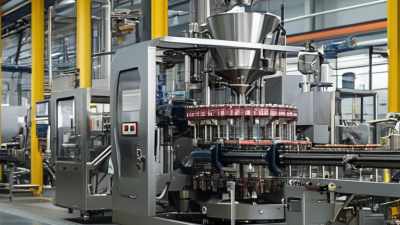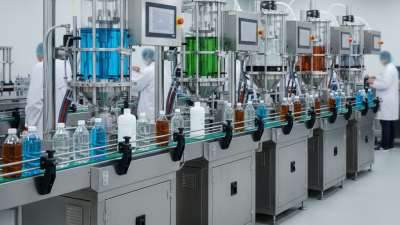
What Is the Best Filling Machine Made in China?

What Is the Best Filling Machine Made in China? The answer depends on the product, container, speed, and cleaning requirements. A machine for thin water may use different nozzles from one handling honey, shampoo, or edible oil. The right choice begins with production reality, not a polished brochure.

Manufacturing quality expert W. Edwards Deming said, “Quality comes not from inspection, but from the improvement of the production process.” His principle remains highly relevant to the filling machine industry. A dependable Chinese machine should provide stable filling accuracy, hygienic stainless-steel construction, simple changeover, and accessible spare parts. Servo-driven systems can improve control, while piston or gear-pump systems may suit thicker products. It depends.

Look closely at the details. Does the nozzle stop cleanly, without dripping? Can operators remove product-contact parts without special tools? Is the control panel clear after a long shift? These small points affect waste, downtime, and worker confidence. Factory acceptance testing, sample runs, and documented performance data also matter.

There is no permanent winner.

A low purchase price may become expensive when seals fail, sensors are difficult to source, or technical support arrives slowly. However, the most expensive filling machine is not automatically the best. This guide compares Chinese manufacturers through practical evidence, including accuracy tests, sanitation design, output consistency, customization ability, and after-sales service. Some conclusions may remain imperfect because every factory has different materials, budgets, and operating habits. That uncertainty deserves honest attention.
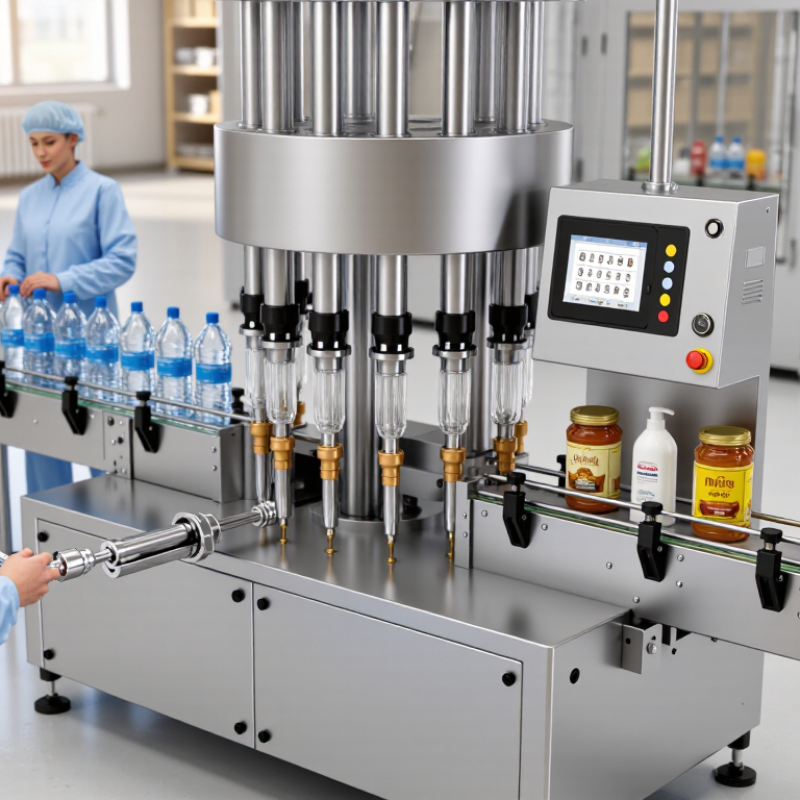
What Is the Best Filling Machine Made in China?

What Defines the Best Filling Machine Made in China?

The best filling machine made in China is defined by verified performance, not its country of origin. Accuracy comes first. A machine filling 500-gram containers should keep variation within a documented tolerance, not rely on attractive claims. The report should include test results, production speed, product viscosity, and container type. PMMI’s 2024 packaging machinery research identifies labor shortages and automation as major investment drivers. That makes stable automatic dosing increasingly valuable.

Hygiene and service also separate good equipment from average equipment. Product-contact parts should use traceable stainless steel, smooth welds, and tool-free cleaning where practical. Operators should see fill levels clearly and change formats without excessive downtime. The best supplier provides commissioning records, spare-parts lists, training, and remote troubleshooting. ISO 9001 certification is useful evidence, but it does not guarantee excellent machine design. That distinction is often missed.

A practical factory test should run the machine with your real product. Water trials are not enough for foam, pulp, oil, or thick sauces. Measure output after several hours, not ten minutes. Check rejected containers, cleaning time, noise, and operator errors. The 2023 OEE Industry Standard report places world-class overall equipment effectiveness near 85%, yet many new machines never approach it in daily production. This exposes an uncomfortable truth: the machine may be capable, but the installation, recipe, or training may be weak. Reliability is proven on the factory floor.

Main Types of Chinese Filling Machines and Their Applications

Chinese filling machines cover several designs, each suited to a different product and production target. Piston fillers handle thick materials such as sauces, creams, and honey. Their controlled strokes support accurate dosing, even when the product flows slowly. Gravity fillers suit thin liquids, including water, juice, and mild cleaning solutions. They use tank height and time to control the fill.

Overflow fillers work well with foaming liquids and create a consistent visual level in clear containers. They are common for beverages, shampoos, and household liquids. Peristaltic fillers offer clean product paths because the liquid contacts only the tubing. This design can help with sensitive or small-batch products. Auger fillers measure powders such as flour, spices, and nutritional ingredients. Screw speed and product density affect their accuracy.

A practical machine choice should begin with viscosity, container shape, target speed, and cleaning needs. During testing, operators should check ten or more consecutive fills, not only one attractive sample. Small errors become expensive at higher output. Chinese equipment can provide useful customization, but specifications still require careful verification. Some machines appear suitable until powder bridges inside the hopper or foam rises during filling. That assumption often fails. Ask for material trials, calibration records, and clear documentation before purchasing. A reliable supplier should explain maintenance intervals, replacement parts, and operator training without vague promises.

What Is the Best Filling Machine Made in China? - Main Types of Chinese Filling Machines and Their Applications

Filling Machine Type Operating Principle Best-Suited Products Typical Container Formats Typical Fill Range Typical Accuracy Main Applications Key Advantages Main Limitations
Gravity Filler Product flows from an elevated tank into containers under gravity. Timed filling or level-based filling controls the dose. Low-viscosity liquids Free-flowing products Plastic or glass bottles, jars, and narrow- or wide-neck containers Approximately 50 mL to 5 L per container Typically about ±1% to ±2%, depending on product and container consistency Water, liquid detergents, cleaning solutions, thin sauces, and non-carbonated beverages Simple construction, low maintenance, gentle product handling, and relatively low cost Not suitable for highly viscous, foaming, or heavily particle-filled products; fill speed depends on product flowability
Overflow Filler Each container is filled to the same visible level while excess product returns to the supply tank. Thin liquids Foaming liquids Appearance-sensitive products Transparent or translucent bottles, especially PET and glass containers Approximately 100 mL to 5 L per container Typically about ±1% to ±2% by volume; visual level uniformity is the main benefit Shampoo, liquid soap, household cleaners, edible oils, sauces, and beverages Creates a consistent liquid level, helps improve shelf appearance, and can reduce visible variation between bottles Actual product volume may vary with bottle internal dimensions; not ideal for very thick products or products with large particles
Piston Filler A piston draws a measured volume into a cylinder and discharges it through a filling nozzle. Medium- to high-viscosity liquids Products with particulates Bottles, jars, tubs, pouches, and other rigid containers Approximately 10 mL to 5 L per fill; larger volumes are possible with larger cylinders Typically about ±0.5% to ±1%, subject to calibration and product consistency Paste, cream, honey, sauces, cosmetics, gels, lubricants, and food products with small particles Good volumetric accuracy, broad viscosity capability, and adjustable fill volume Moving seals require maintenance; very abrasive products or large particles may accelerate wear
Peristaltic Pump Filler Rotating rollers compress a flexible tube to move a controlled amount of product without direct contact with the pump body. Low- to medium-viscosity liquids Sterile or sensitive products Vials, bottles, ampoules, tubes, and small containers Approximately 0.1 mL to 1 L per fill, depending on tubing and pump configuration Commonly about ±0.5% to ±1.5% after calibration Pharmaceutical liquids, laboratory reagents, eye-care products, cosmetics, and sensitive liquids Product contacts only the disposable or replaceable tube; easy cleaning and low cross-contamination risk Tubing has a limited service life; flow can be affected by tubing elasticity and product temperature
Gear Pump Filler Interlocking gears transfer a measured volume of product through the filling line. Low- to high-viscosity liquids Uniform products Bottles, jars, cans, pouches, and other containers Approximately 5 mL to 20 L per fill, depending on pump size and configuration Typically about ±0.5% to ±1.5% when product conditions remain stable Oils, inks, coatings, personal-care products, syrups, and industrial chemicals Continuous flow, accurate electronic control, and suitability for a wide viscosity range Not ideal for products containing hard particles; pump clearances and seals require careful material selection
Pressure Filler Product is delivered from a pressurized tank through filling valves at controlled pressure. Carbonated liquids Low-viscosity beverages PET bottles, glass bottles, and cans designed for pressurized filling Approximately 200 mL to 2 L per container for common beverage formats Typically about ±1% to ±2%, depending on pressure balance, temperature, and container quality Carbonated soft drinks, sparkling water, beer, and other gas-containing beverages Suitable for high-speed beverage production and helps retain dissolved gas during filling Requires pressure-rated equipment, controlled product temperature, and more complex operation than gravity filling
Auger Powder Filler A rotating auger screw meters powder into the container by controlling screw revolutions. Free-flowing powders Cohesive powders Bottles, jars, cans, bags, and sachets Approximately 1 g to 5 kg per fill, depending on auger diameter and product density Typically about ±1% to ±3%; powder density and flow characteristics strongly affect results Flour, spices, milk powder, protein powder, pharmaceutical powders, and chemical powders Good control of powder dosing, compact design, and compatibility with many dry products Dust control may be necessary; changes in bulk density can affect weight unless feedback control is used
Net Weight Filler Each container is weighed during filling, and the system stops when the preset target weight is reached. Granules Powders Products with variable density Bags, pouches, bottles, cartons, drums, and bulk containers Approximately 100 g to 50 kg per fill, depending on the weighing system Commonly about ±0.1% to ±0.5% of target weight on suitable products Rice, grains, pet food, seeds, fertilizer, chemicals, and other dry bulk materials Measures actual product weight and compensates better for density variation than purely volumetric systems Load cells must be protected from vibration, air movement, and mechanical shock; usually more expensive than basic volumetric fillers
Inline Volumetric Filler Multiple filling heads dose product continuously as containers move along a conveyor. Thin to medium-viscosity liquids High-volume production Bottles, jars, cans, and containers with regular positioning Approximately 100 mL to 5 L per container Typically about ±0.5% to ±1.5%, depending on the dosing system and product properties Food, beverages, household chemicals, cosmetics, and personal-care products High throughput, easy integration with conveyors, and scalable filling-head configurations Needs consistent container spacing and product flow; changeover can take longer when container sizes vary significantly
Monoblock Filling System Two or more processes, such as rinsing, filling, capping, or sealing, are integrated into one synchronized machine. Liquids Small-format products Integrated packaging lines Vials, bottles, ampoules, and small jars Approximately 5 mL to 2 L per container, depending on machine configuration Typically about ±0.5% to ±1.5% for the filling function when correctly calibrated Pharmaceutical liquids, cosmetics, beverages, and specialty food products Saves floor space, reduces transfer handling, and synchronizes several packaging steps Higher initial investment, more complex maintenance, and less flexibility if one integrated station requires modification

Note: The figures shown are typical engineering ranges rather than guaranteed specifications. Actual performance depends on product viscosity, temperature, foaming behavior, particle size, container design, filling speed, calibration, and sanitary or regulatory requirements.

Key Features to Compare Before Choosing a Filling Machine

What Is the Best Filling Machine Made in China?

Key Features to Compare Before Choosing a Filling Machine

The best filling machine depends on your product, container, and daily output. A machine for thin liquid may struggle with cream or syrup. Compare filling accuracy under real production conditions, not only catalog figures. During testing, fill ten containers and weigh each one. Small errors become expensive across thousands of units.

Check the filling range, nozzle design, and adjustment method. Servo-driven systems usually offer finer control than basic pneumatic systems. Ask whether operators can change settings without special tools. A clear touch screen helps, but simple controls matter more when gloves are wet. Also inspect the frame, seals, and product-contact parts. Stainless steel construction is useful, but weld quality and surface finishing deserve closer attention.

Cleaning and maintenance often decide long-term value. Choose a design with quick-release parts, accessible pumps, and minimal product traps. Request videos of cleaning procedures and records from comparable installations. Safety guarding, emergency stops, electrical protection, and documented testing should be verified before purchase. Reliable Chinese manufacturers can provide factory acceptance tests, spare-parts lists, and remote technical support. Still, promises are not proof. I would ask for a sample run using your actual product and containers. No machine performs perfectly with every formula, and overlooking viscosity changes can create costly downtime. Expect some adjustment.

Leading Industries That Use Chinese Filling Equipment

Chinese filling equipment serves several major industries, each with different production risks and validation needs. Food and beverage plants commonly use volumetric, piston, or flow-meter fillers for sauces, dairy drinks, edible oils, and bottled water. PMMI’s 2024 packaging reports identify automation, labor efficiency, and flexible packaging formats as major investment drivers. Hygiene matters. Stainless-steel contact parts, clean-in-place systems, and quick-change filling heads reduce contamination risks.

Cosmetics manufacturers often select servo-driven fillers for creams, lotions, and liquid fragrances. These products need gentle handling and accurate dosing. Pharmaceutical facilities require stricter controls, including clean-room compatibility, batch records, and repeatability testing. Chinese equipment can be configured for these requirements, but the machine’s documentation matters as much as its mechanics. Grand View Research reports continued growth in global food and beverage packaging machinery, supported by convenience foods and packaged drinks. Forecasts differ because some studies include complete lines, while others measure filling units alone.

Household chemical producers also use filling systems for detergents, cleaners, and personal-care liquids. Corrosion-resistant materials and anti-drip nozzles become practical necessities. A lower quotation may hide weaker sensors, limited spare parts, or difficult software support. That is where buyers often misjudge value. Factory acceptance testing should examine fill accuracy, foaming behavior, container changes, and cleaning time. The best Chinese filling machine is therefore application-specific, not simply the fastest or cheapest model.

How to Evaluate Quality, Compliance, Service, and Total Cost

What Is the Best Filling Machine Made in China?

Choosing the best filling machine made in China starts with evidence, not a polished sales video.

During factory evaluations, I inspect frame welding, product-contact surfaces, seals, sensors, and control cabinet wiring. Stainless steel should match the required grade and remain easy to clean. Ask for filling accuracy data from products similar to yours. Water tests alone can be misleading.

Compliance needs careful checking. Request risk assessments, electrical safety documents, material certificates, and validation records required in your destination market. Do not treat one certificate as universal approval. Review software access, emergency stops, guarding, and batch traceability.

A factory acceptance test should use your containers, product, filling range, and operating speed. Small details matter. Cap height can change accuracy.

Service often decides whether a machine remains productive after installation. Confirm commissioning, operator training, remote response times, spare-part availability, and local technical support. Calculate total cost beyond the purchase price.

Include electricity, compressed air, cleaning chemicals, changeover labor, rejected containers, maintenance, and planned downtime. A cheaper machine may cost more when changeovers take two hours.

I once focused too heavily on speed and underestimated cleaning time. That mistake changed my evaluation method. Now I request a written service scope and a realistic production trial. No machine is perfect, but transparent limitations are usually more reliable than impressive promises.