Choosing a liquid filling machine is not simply a matter of buying faster equipment. It is a decision about accuracy, product protection, labor, and the rhythm of daily production. A 2024 study by Deloitte and the Manufacturing Institute projects that U.S. manufacturers will need 3.8 million workers by 2033. Nearly 1.9 million positions could remain unfilled. That forecast makes practical automation worth examining, especially for businesses that still rely on repetitive manual filling.
The right machine can help deliver consistent volumes, reduce spills, and keep containers moving steadily from the filling station to capping and labeling. Picture a line of bottles reaching the filler at regular intervals. Small variations in viscosity, temperature, or container shape can still affect performance. The machine must match the product, not just the target output. PMMI’s 2024 State of the Industry report offers useful packaging-sector context for evaluating operational pressures and investment priorities. Yet a report cannot choose the equipment for your floor. That takes careful testing. Start by comparing fill accuracy, changeover time, cleaning requirements, and service support against real production needs. A low purchase price may look appealing. It may also hide costs in downtime or wasted product. Automation is not magic. Sometimes a simpler machine is the better fit. A thoughtful comparison helps explain why a liquid filling machine can support growth—and where it may not.
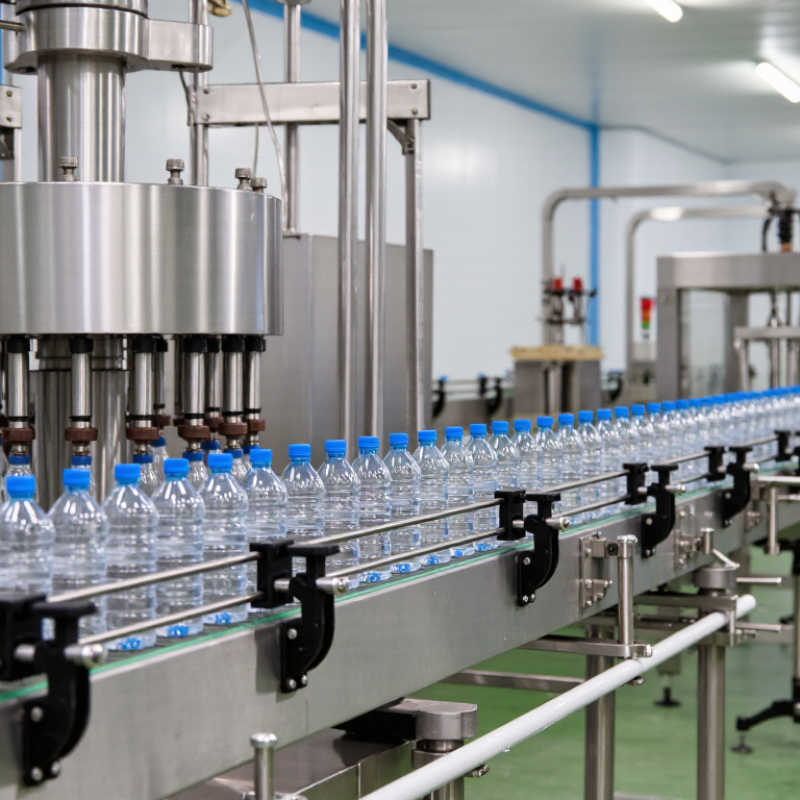
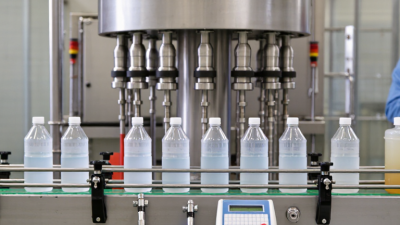
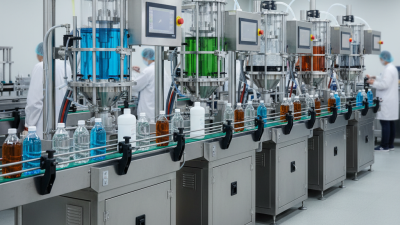
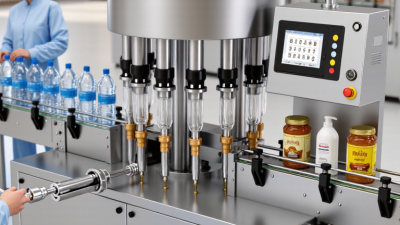
A liquid filling machine transfers a measured amount of product into containers such as bottles, jars, or pouches. It usually draws liquid from a holding tank through a pump or gravity-fed line, then dispenses it through one or more nozzles. The operator sets a target volume or fill time, while controls coordinate container movement and liquid flow. Some machines use sensors to detect containers and prevent filling when a bottle is missing.
The right setup depends on the liquid. A thin solution may flow easily, while a thick syrup can need a different pump and slower cycle. Nozzle height, fill speed, and temperature can also affect accuracy. I’ve seen small adjustments reduce splashing, but a setting that works for one product may not work for another. That matters. Foamy liquids may need bottom-up filling or a slower dispense, and seals and hoses must suit the product and cleaning routine.
Tips: Test with the actual liquid and container, not just water. Check fill levels across several cycles, and record the settings that work. Clean the product-contact parts as instructed. Not always. A little trial and adjustment is normal.
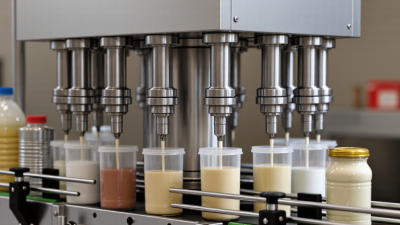
Liquid filling machines differ mainly in how they measure and deliver product. Gravity fillers suit thin liquids, such as water or light oils, flowing into containers beneath fixed nozzles. Overflow fillers create a consistent visible fill line, useful for clear bottles on retail shelves. Piston fillers handle thicker products, including sauces and creams, by drawing a set volume into a cylinder and dispensing it. Pump fillers offer flexibility across different viscosities. The right choice depends on product texture, target speed, container shape, and cleaning needs.
PMMI’s 2023 State of the Industry report valued U.S. packaging machinery shipments at $10.3 billion in 2022. That figure reflects a substantial equipment market, but it does not identify the best filler for any one plant. Foam, suspended particles, and temperature changes can complicate a neat specification. A machine that works well during a short trial may behave differently across a full production shift.
Tips: Test your actual product, not just water. Record fill accuracy, changeover time, and cleaning effort across several runs. It is simple, but often overlooked. Ask operators to note drips or bubbles; small issues can become routine waste.
Liquid filling machines can make production more predictable when a business handles repeated batches. A calibrated pump or gravity system dispenses measured portions into each container, helping reduce variation between bottles. Operators spend less time pouring by hand and can keep pace with labeling and capping stations. On a busy line, that matters. Small details matter, too: nozzle height, liquid temperature, and bottle position can affect fill consistency.
Tips: Test the machine with your actual liquid and containers before a full production run. Check for drips, foam, or uneven fills. Keep a simple record of settings that work.
Automation does not remove every production problem. A thicker liquid may need a different pump, while a narrow bottle opening can require careful nozzle adjustment. Cleaning and routine checks also take time, so include them in the production schedule. When settings are changed, run a few test containers and inspect their fill levels. The process may need occasional adjustment, and that is worth acknowledging. A machine works best when operators understand its limits and monitor results, rather than assuming every batch will run perfectly.
| Production Dimension | Manual Filling | Liquid Filling Machine | How It Can Improve Production |
|---|---|---|---|
| Filling speed | Limited by the operator’s pace and the filling method. | Can fill containers in a repeatable cycle; output depends on the machine, product, container size, and number of filling heads. | Supports higher throughput when production demand exceeds practical manual capacity. |
| Fill consistency | Results can vary with operator technique and fatigue. | A calibrated filling system delivers more consistent target volumes when operated within its specified range. | Helps reduce overfilling, underfilling, and product giveaway; regular checks are still important. |
| Labor requirements | Often requires an operator for each filling position. | Semi-automatic models need an operator to load or position containers; automatic lines can handle more steps with less direct intervention. | Can shift staff time from repetitive pouring to inspection, packing, and other production tasks. |
| Product compatibility | Adaptable for small runs, but handling can be difficult with viscous or foaming liquids. | Pump, piston, gravity, and other filling methods suit different liquid properties and container formats. | Selecting a system matched to viscosity, foaming behavior, and container type improves reliable operation. |
| Changeovers and cleaning | Equipment may be simple, though repeated manual setup can take time. | Changeover time varies; accessible product-contact parts and suitable cleaning procedures can simplify product or container changes. | A well-matched design helps reduce downtime between batches while supporting hygiene requirements. |
| Production scalability | Scaling usually means adding more operators or filling stations. | Options range from benchtop and semi-automatic units to integrated automatic filling lines. | Businesses can choose equipment capacity that fits current output and expected growth. |
| Best-fit production needs | Very small batches, frequent trials, or operations with low filling volume. | Repeat production runs where consistent volumes, controlled handling, or greater throughput are priorities. | The right choice depends on batch size, liquid characteristics, container design, sanitation needs, and budget. |
Note: Performance varies by machine configuration, liquid properties, container format, operator setup, and maintenance. Confirm specifications and conduct product trials before selecting equipment.
An automated liquid filling machine can make production steadier, especially when staff fill many containers during a shift. A calibrated nozzle doses each bottle with less variation than repeated manual pouring. Consistent fills can reduce product giveaway, messy drips, and time spent checking levels. Small gains matter. Operators can also spend less time on repetitive pouring and more time monitoring quality. Still, automation is not a cure-all: thick liquids, foam, and frequent product changes may require careful setup.
Industry adoption offers useful context, though it does not guarantee savings for every facility. The International Federation of Robotics reported 4,281,585 industrial robots operating in factories worldwide in 2023, 10% more than in 2022, in its World Robotics 2024 report. This figure covers industrial robots broadly, not filling machines specifically. For a business evaluating a filler, compare measured output, fill accuracy, changeover time, and cleaning needs against current results. A faster line may not help if changeovers become longer.
Tips: Test the machine with your actual liquid and containers before choosing a model. Record fill weights across several runs, including startup and changeover. Check nozzle drips and cleaning time, too. A small trial often reveals what a brochure misses.
Adding filling nozzles can increase theoretical output when each nozzle runs at the same rate. This illustration assumes 20 containers per minute per nozzle, or 1,200 per hour. Actual production depends on the liquid, container, machine settings, changeovers, and downtime.
Start with the product, not the advertised speed. A thin liquid, foaming cleanser, and fruit-filled sauce behave differently at the nozzle. Match the pump and filling method to viscosity, temperature, particles, and target fill volume. Then check container shape, neck size, and material. A narrow bottle opening may need a different nozzle and drip-control setup. Test with your actual product and containers; a machine that performs well with water may struggle with a sticky syrup.
Capacity should reflect real demand, not an optimistic forecast. Consider daily output, shift length, changeover time, cleaning access, and operator training. Ask for measured accuracy and repeatability across several production runs. The U.S. EPA’s 2018 Facts and Figures report estimates that containers and packaging generated 82.2 million tons of municipal solid waste. That figure is not a machine-performance measure, but it underscores why reliable filling and fewer rejected containers matter. Leave room for maintenance, too. A small oversight here can become an expensive one.
Tips: Bring sample containers and product to a factory acceptance test. Record fill weights, line speed, drips, and changeover time. Keep the results. They may be less impressive than a brochure, but they are more useful.