How to Choose the Best Liquid Filling Machine?

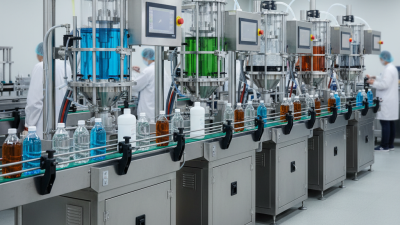
Choosing the best liquid filling machine starts with the product, not the catalogue. Is the liquid thin like water, thick like syrup, or prone to foaming? A clear sample in a beaker can reveal more than a polished sales chart. The container matters too: a narrow-neck bottle, a wide jar, and a pouch each place different demands on filling accuracy and changeover time. Small details matter.

Market growth helps explain why filling decisions deserve careful attention. Fortune Business Insights estimated the global packaging machinery market at USD 46.26 billion in 2023, with growth projected through 2032. That is useful context, not a machine specification. The report covers packaging machinery broadly, so it cannot tell a plant which filler will suit its product. Buyers still need to check viscosity range, target fill volume, container dimensions, production speed, cleaning requirements, and available floor space. A line running steadily at one speed may perform poorly during frequent product changes. That detail is easy to underestimate.

For a sound comparison, ask suppliers for trials using your actual liquid and containers. Measure fill-weight variation, drips, foam, changeover time, and cleaning effort. Request written test conditions and references from comparable installations. Then compare total operating costs, not just the purchase price. A machine that looks efficient in a demonstration may behave differently on a busy production floor. It happens. The best choice is the one that meets verified requirements today and can adapt to realistic production changes tomorrow.
How to Choose the Best Liquid Filling Machine?

Identify Your Product, Container, and Filling Requirements

Choosing a liquid filling machine starts with the product, not the machine. Water-like liquids flow quickly, while syrups may need slower, controlled dosing. Does the product foam, contain particles, or change thickness with temperature? These details affect nozzle design, pump type, and filling speed. Test a real product sample if possible. Test it cold, too. A sample that pours easily in a warm room may behave differently on a production floor.

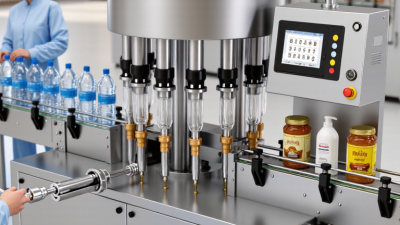
Next, match the equipment to the container. Record its material, opening size, shape, and target fill volume. A narrow bottle neck may need a slim nozzle, while a lightweight container can shift under fast filling. Leave enough clearance for nozzles and check how easily operators can position each container. Small details matter. A machine that handles one bottle well may need frequent adjustment when sizes change.

Set clear production requirements before comparing machines: desired output per hour, acceptable fill variation, cleaning routine, and changeover frequency. Ask how the machine handles drips, foam, and product-contact surfaces. Request a trial using your own containers and product, then inspect fill levels and cleanup time. This step can reveal awkward handling or slower-than-expected cycles. Specifications help, but they do not tell the whole story. Be ready to revise your assumptions after testing.

How to Choose the Best Liquid Filling Machine

Identify your product’s viscosity, container, and required fill volume before selecting a filling method.

Approximate viscosity values vary by formulation and temperature. Low-viscosity liquids often suit gravity or timed-flow filling; thicker products may require piston or other positive-displacement systems. Confirm container shape, opening size, target fill volume, and production rate with your equipment supplier.

Compare Liquid Filling Machine Types and Their Operating Principles

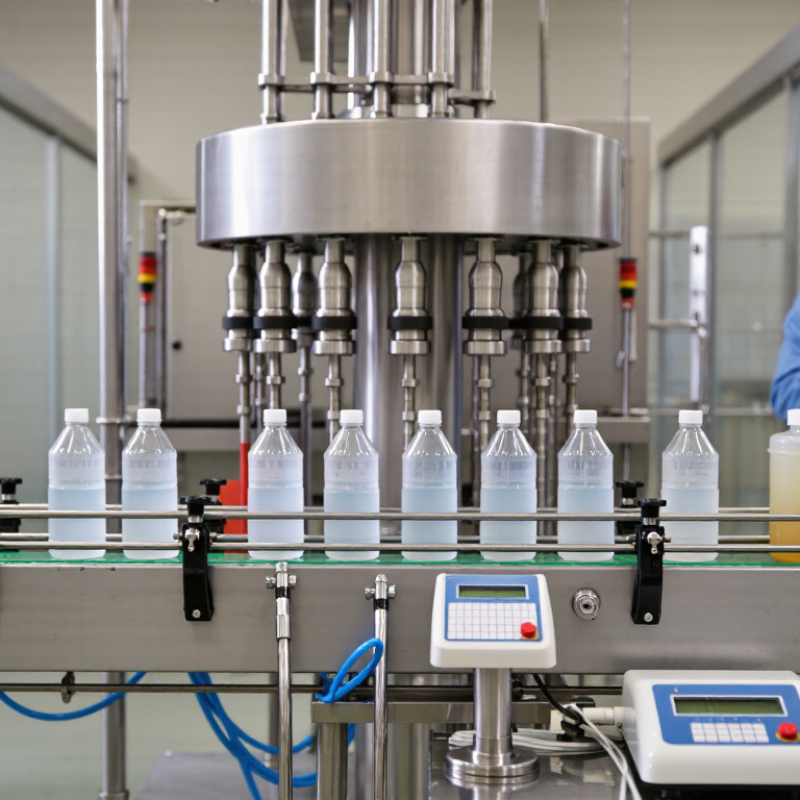
Liquid filling machines differ mainly in how they move and measure product. Gravity fillers use a tank above the container, letting liquid flow through a valve. They suit thin, free-flowing products and simple production runs. The principle is easy to understand. But flow can change with liquid temperature or tank level, so fill consistency needs checking.

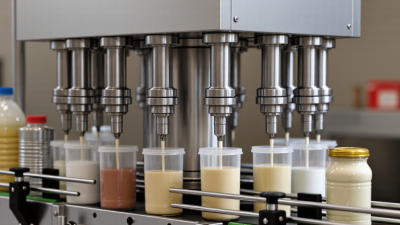
Piston fillers draw a measured volume into a cylinder, then push it into the container. This positive-displacement action handles thicker liquids, such as sauces or creams, more reliably than gravity filling. Pump-based machines move liquid through a hose using gears, flexible tubes, or other mechanisms. They can support continuous operation, though some pump types may shear delicate products or wear as parts contact the liquid. Overflow fillers use a return path to bring excess liquid back to a tank. They create a consistent visible fill line, especially in clear containers, but may produce more foam with fast-flowing liquids.

Match the operating principle to the product, not just the advertised speed. Check viscosity, particle size, foaming, container shape, and the accuracy required. A small bench test can reveal splashing, dripping, or slow cycle times before a full line is installed. There is no perfect head. Even a suitable machine may need adjustment when the product or bottle changes.

Evaluate Capacity, Accuracy, and Automation Features

How to Choose the Best Liquid Filling Machine?

Evaluate capacity, accuracy, and automation features before comparing equipment. Start with the actual container: a narrow-neck bottle, a wide jar, and a flexible pouch may need different filling nozzles and handling systems. Then calculate required output per hour, including changeovers and cleaning time. A machine rated for 120 bottles per minute could theoretically fill 7,200 bottles in an hour, but real production will be lower when interruptions are included. Plan for that gap.

Tips: Test with your own liquid and containers. Check fill variation across repeated runs, not just one sample. Ask how quickly operators can adjust settings, clean product-contact parts, and switch formats. These details can matter more than a headline speed.

Accuracy affects product giveaway and consistency. Automation can support repeatable filling, but sensors, controls, and maintenance still need attention. McKinsey Global Institute’s 2017 report, A Future That Works, estimated that about 60% of occupations have at least 30% of their activities that are technically automatable. This is a broad, cross-industry estimate, not a promise of savings for filling lines. Use it as context: assess which tasks are genuinely repetitive, then compare the labor, downtime, and integration needs of each machine. A perfect setup on paper may still be awkward on the floor.

Check Material Compatibility, Hygiene, and Compliance Needs

Start with the product, not the machine’s advertised speed. A thick syrup may cling to a narrow nozzle, while an acidic liquid can affect seals or metal surfaces. Check viscosity, temperature, acidity, and any suspended particles against the materials that contact the product. Ask for details on the tank, valves, hoses, and gaskets. A small sample run can reveal splashing, dripping, or uneven fills before installation. Small details matter.

Hygiene depends on the machine’s design and your cleaning routine. Look for smooth product-contact surfaces, accessible connections, and lines that drain fully. Hidden pockets can hold residue. If cleaning requires frequent disassembly, consider whether staff can do it consistently during a busy shift. Ask how cleaning steps are documented and verified; do not assume a “washdown” label means every area is easy to clean. A useful test is to inspect the machine after a cleaning cycle, including beneath clamps and around seals.

Compliance needs vary by product, location, and industry. Confirm which rules and documentation apply to your operation with a qualified compliance professional. Request material declarations, cleaning instructions, calibration records, and traceability details where relevant. Check that operators can access safety controls and changeover procedures. Paperwork helps, but it does not prove the machine fits your process. I would also revisit the decision after a trial run; a detail that seemed minor on paper can become a daily nuisance.

How to Choose the Best Liquid Filling Machine? - Check Material Compatibility, Hygiene, and Compliance Needs

Filling Technology Typical Product Fit Material Compatibility Checks Hygiene and Cleaning Considerations Key Selection Factors Compliance Checks
Gravity filling Free-flowing, low-viscosity liquids that do not require pressure-assisted dosing. Check that product-contact tubing, seals, and tank materials resist the liquid and its cleaning agents. Look for accessible product-contact parts and a design that can be drained and cleaned effectively. Consider liquid flow behavior, container opening, fill level requirements, and the desired production rate. Confirm the equipment and its materials meet the applicable requirements for the product and sales region.
Overflow filling Free-flowing liquids where a consistent visible fill level across containers is important. Verify compatibility of nozzles, seals, hoses, and any recirculation path with the liquid. Assess how the return or recirculation system is cleaned, drained, and protected from contamination. Check container shape and neck, foaming tendency, liquid flow characteristics, and changeover needs. Review applicable product-contact material, sanitation, labeling, and workplace safety obligations.
Piston filling Many liquid and semi-viscous products, including products that are thicker than water. Check cylinder, piston seals, valves, and nozzle materials against the product and cleaning chemicals. Determine whether the product path can be disassembled or cleaned in place; check for areas where product may remain. Consider viscosity, particulates, dose range, required dosing accuracy, and how often recipes change. Where required, confirm that product-contact parts and validation records meet the relevant industry and jurisdictional rules.
Peristaltic pumping Low- to medium-viscosity liquids and applications where the product contacts only the pump tubing. Choose tubing compatible with the product, temperature, pressure, and cleaning or sterilization method. Tubing is a wear item. The product path can be limited to tubing, but tubing replacement, connections, and aseptic handling still require control. Evaluate tubing life, flow rate, product sensitivity to pumping, dose range, and required maintenance frequency. Verify tubing documentation and any required sanitary or sterile-process qualifications for the application.
Flow-meter filling Products with suitable flow properties where filling is controlled by measuring liquid flow. Confirm meter wetted materials, seals, and fittings are compatible with the liquid and cleaning process. Check that the meter and connected pipework can be cleaned and drained as required by the process. Assess conductivity or other meter-specific requirements, flow range, calibration, and product variability. Check measurement and calibration requirements that apply to the process, product, and destination market.

Before purchasing: Request documentation for all product-contact materials, seals, hoses, and cleaning procedures. Requirements vary by product type, process, and jurisdiction; verify the applicable food, cosmetic, pharmaceutical, chemical, and workplace rules with qualified regulatory or engineering personnel.

Assess Supplier Support, Testing, and Long-Term Costs

How to Choose the Best Liquid Filling Machine?

A machine’s rated speed is only part of the decision. Ask the supplier to test your actual product, container, and target fill volume. Viscosity, foam, and temperature can change filling accuracy. A thick syrup may need different settings from a thin cleaning solution. Request a written test report showing fill variation, changeover time, and cleaning steps. Watch the trial yourself if possible. A polished demonstration is useful, but it cannot represent every production shift.

Supplier support matters after installation. Confirm who handles operator training, spare parts, and troubleshooting, and how quickly help is available. Ask for a clear list of wear parts and typical replacement intervals. Check whether manuals explain calibration in practical steps, not just technical terms. Small gaps here can slow a line. I have seen teams underestimate training time; it is easy to do, especially when schedules are tight.

Tips: Compare total costs over several years, not just the purchase price. Include installation, utilities, maintenance, parts, cleaning labor, and expected downtime. Ask for quotes on common replacements before committing. Calculate cost per usable filled container, including rejected or underfilled units. Keep a little budget for adjustments after startup. That allowance may feel unnecessary, but real production rarely matches a perfect test run.